


LAGOS, Nigeria – The Lagos State House of Assembly is considering a bill that could impose a fine of up to ₦200,000 and imprisonment of up to two years for people convicted of street begging and related offences.
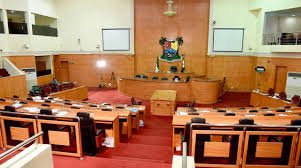
The proposed Street Begging and Street urchins (Prohibition, Prevention and Rehabilitation) Law of Lagos State 2026 was presented at a public hearing on Wednesday at the Lateef Jakande Auditorium, Alausa, Ikeja.
Abiodun Orekoya, Chairman of the House Committee on Youth, Sports and Social Development, said the proposed legislation seeks to promote public order, safety, environmental sanitation and child protection.
The bill proposes a ban on begging and related activities in public places, including motor parks, traffic intersections, pedestrian bridges and markets.
It would also make loitering, sleeping or erecting temporary structures for the purpose of begging an offence.
Parents and guardians who send children to beg could also face prosecution under the proposed law.
The legislation provides for different measures depending on the nature and repetition of the offence.
First-time offenders may receive warnings and referrals to rehabilitation centres. Subsequent offences could attract a fine of up to ₦200,000, a non-custodial sentence of up to three months, or both.
Repeated or more serious offences could attract imprisonment of up to two years.
The proposed law would also give the Environmental Sanitation Corps Agency powers to arrest suspected offenders without a warrant and seize property linked to the alleged offence.
However, the bill includes safeguards against torture, degrading treatment and unlawful detention.
It also proposes Rehabilitation and Welfare Centres where people removed from the streets would receive temporary accommodation, literacy education, counselling, vocational training and life-skills support aimed at reintegration.
The proposal has, however, drawn concerns from human rights advocates and legal experts over warrantless arrests and the potential abuse of enforcement powers.
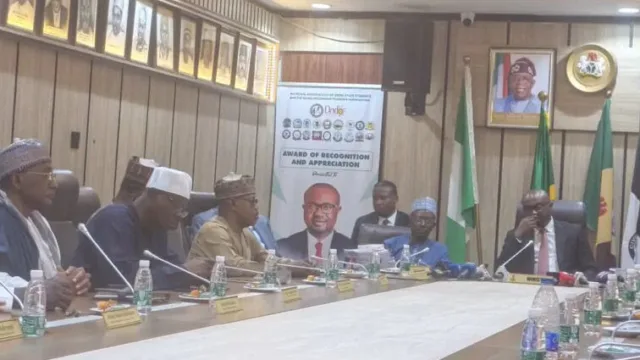
Deputy Speaker Mojisola Lasbat Meranda said the Assembly would consider stakeholders’ contributions before the bill proceeds to third reading.





Join the conversation