
 Mirian Gom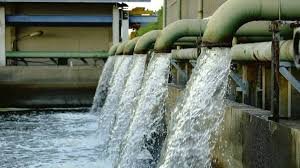
ABUJA, Nigeria – More than 161 million Nigerians continue to rely on contaminated water sources, exposing millions of children to preventable diseases and undermining their education, health and future prospects, according to Save the Children International (SCI).
The warning comes as Nigeria marks the 2026 Day of the African Child under the theme: “Ensuring Universal Access to Water, Sanitation and Hygiene for Every Child in Africa.”
SCI said the country’s water crisis disproportionately affects children, with nearly seven in 10 lacking access to basic water, sanitation and hygiene (WASH) services.
According to the organisation, only 26.5 per cent of Nigerians have access to improved drinking water and sanitation facilities, while more than 10 million pupils attend schools without basic sanitation.
“Health experts estimate that more than 70,000 Nigerian children under the age of five die each year from diarrhoeal diseases, many of them linked to poor hygiene, unsafe drinking water and inadequate sanitation,” the organisation said.
SCI also noted that only six per cent of health facilities in Nigeria have access to basic WASH services.
Open defecation remains widespread, with an estimated 22 per cent of Nigerians still practising it, increasing the risk of disease outbreaks including cholera and typhoid fever.
Deputy Country Director Jane Mbagi Mutua called for urgent action.
“Millions of children in Nigeria continue to face daily challenges because they lack access to clean water, safe sanitation and proper hygiene facilities. The urgency of action has never been clearer,” she said.
House Leader of the Katsina State Children’s Parliament, Muhammad Aminu, stressed that access to clean water is a right rather than a privilege.
“Every African child deserves clean water, safe sanitation and good hygiene. This is not charity. It is an investment in health, dignity, education and the future of Africa,” he said.
About the Author

 Oluwatobi Adu

 Hope Ajayi