


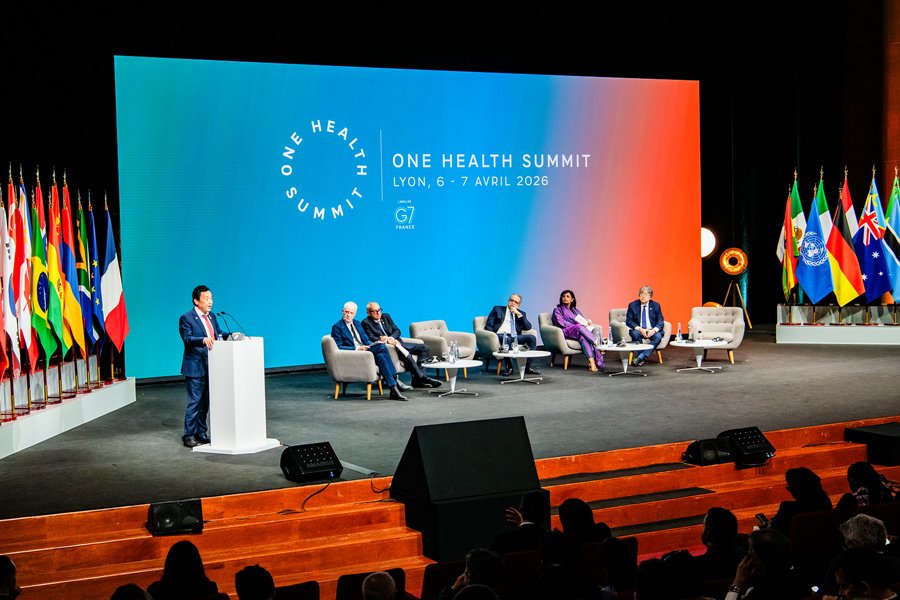
LAGOS, Nigeria – The next pandemic may not begin in a hospital ward. It could emerge from a flooded farming community, a livestock market, a shrinking forest or an antibiotic-resistant infection spreading silently through a rural village. That stark reality shaped discussions at the 2026 One Health Summit in Lyon, France, where world leaders, scientists and policymakers gathered to examine the growing links between human health, animal health, food systems and environmental change. For Nigeria, a country grappling with recurring disease outbreaks, climate-related disasters, food insecurity and a fragile healthcare system, the summit served as both an opportunity and a warning. In this report, Korede Abdullah examines whether the ambitious commitments, reforms and partnerships showcased in Lyon can help Nigeria strengthen its health security—or whether long-standing challenges of funding, coordination and implementation will continue to undermine progress.
A Summit Shaped by Global Health Threats
Held from April 5 to 7 under France’s G7 Presidency and co-chaired by France and Ghana, the One Health Summit was among the most significant global health gatherings of 2026.
Coinciding with World Health Day, the summit brought together heads of state, ministers, scientists, development partners, civil society groups and youth representatives amid growing concerns about emerging infectious diseases, antimicrobial resistance (AMR), biodiversity loss and climate-related health threats.
Participants agreed that traditional approaches to public health are no longer enough. Disease outbreaks are increasingly linked to environmental degradation, food insecurity is being worsened by climate change, and drug-resistant infections are fuelled by the misuse of antibiotics in both humans and animals.
The summit’s message was clear: health, agriculture, environment and food systems can no longer be treated as separate policy areas.
Why One Health Matters
The One Health concept gained prominence after the COVID-19 pandemic exposed weaknesses in global preparedness and highlighted the interconnectedness of human, animal and environmental health.
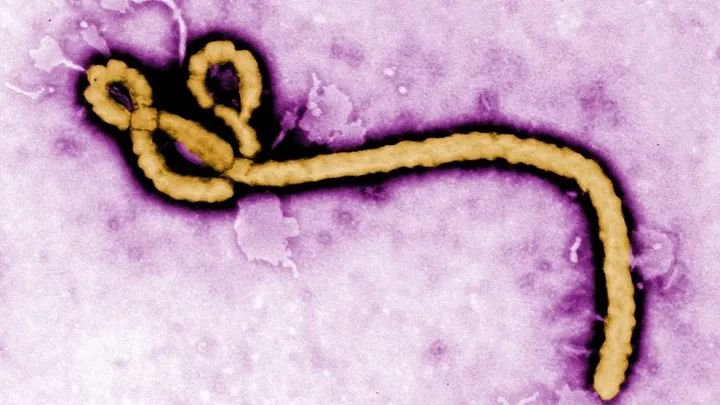
Experts at the summit noted that nearly 75 per cent of emerging infectious diseases originate from animals. From Ebola and Lassa fever to avian influenza and COVID-19, recent outbreaks have demonstrated how quickly diseases can move across species and borders.
Delegates stressed that preventing outbreaks is significantly less costly than responding to full-scale emergencies. Investments in disease surveillance, laboratory networks, environmental monitoring and scientific research were presented not as optional expenditures but as essential safeguards against future crises.
For developing countries such as Nigeria, the shift from emergency response to prevention could prove transformative.
Nigeria’s Test: Turning Commitments into Action
While the commitments announced in Lyon were ambitious, experts caution that implementation remains Nigeria’s greatest challenge.
Successive governments have introduced reforms aimed at strengthening primary healthcare, improving disease surveillance and expanding universal health coverage. Yet many programmes have struggled due to inadequate funding, weak coordination, policy discontinuity and governance challenges.
This raises a crucial question: what makes the promises emerging from Lyon different?
Public health analysts argue that Nigeria’s challenge is not a lack of policies but a persistent gap between policy formulation and execution.
The concern comes at a time when many developing countries are facing economic pressures, competing budget priorities and uncertainty around international development funding.
Although Nigeria has increased health spending in recent years, experts note that allocations remain below the 15 per cent benchmark established under the Abuja Declaration, where African leaders pledged to dedicate a significant share of national budgets to healthcare.
For many observers, the summit is therefore not simply about new commitments. It is a test of whether governments are prepared to make sustained political and financial investments in prevention before the next crisis strikes.
As one public health policy analyst observed: “The real measure of success will not be the number of declarations signed. It will be whether countries build systems capable of preventing outbreaks before they become emergencies.”
Nigeria’s Voice on the Global Stage
Nigeria used the summit to position itself as a leading African voice in global health discussions.
The Coordinating Minister of Health and Social Welfare, Muhammad Ali Pate, argued during a high-level World Health Day session that global leaders should be held collectively accountable for health outcomes.
He called for a more equitable global health governance system capable of delivering interventions more efficiently and emphasised that pandemic preparedness, antimicrobial resistance and universal health coverage must be pursued together rather than in isolation.
Pate also highlighted ongoing reforms under President Bola Ahmed Tinubu’s administration, including plans to train more than 100,000 health workers, strengthen disease surveillance systems, expand healthcare infrastructure and promote local pharmaceutical manufacturing.
These initiatives align closely with the One Health approach. However, experts caution that policy announcements alone will not determine success.
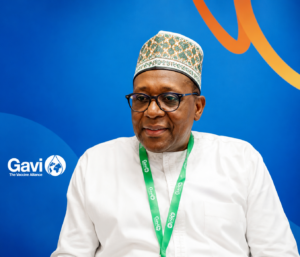
Surveillance: Progress and Persistent Gaps
One of the summit’s strongest recommendations was the creation of integrated surveillance systems capable of tracking threats across human, animal and environmental health sectors.
Nigeria has made notable progress since successfully containing the Ebola outbreak in 2014. Authorities have expanded disease reporting networks, strengthened laboratory capacity and improved emergency response structures.
However, experts say significant weaknesses remain.
Many rural communities still face barriers to disease detection and reporting. Veterinary surveillance systems often operate separately from human health structures, while environmental monitoring remains fragmented across agencies.
As a result, outbreaks emerging at the intersection of human, animal and environmental health can still go undetected until they become more difficult and expensive to contain.
Independent public health organisations have repeatedly called for stronger coordination among federal, state and local institutions, warning that surveillance systems are only as effective as their weakest link.
For Nigeria, the challenge is no longer whether surveillance structures exist, but whether they function consistently, share information efficiently and reach vulnerable communities where outbreaks frequently begin.
The Growing Threat of Antimicrobial Resistance
While pandemics often dominate public attention, antimicrobial resistance represents a slower moving but equally dangerous threat.
Scientists at the summit warned that the misuse and overuse of antibiotics in hospitals, pharmacies, livestock production and agriculture are accelerating the emergence of drug-resistant infections worldwide.
Nigeria remains particularly vulnerable.
Antibiotics are frequently sold without prescriptions, while antimicrobial drugs are commonly used in animal production with limited oversight.
The consequences are far-reaching. Common infections become more difficult and expensive to treat, medical procedures become riskier and healthcare costs increase.
To address the threat, summit participants urged governments to strengthen regulations, improve monitoring systems and expand public awareness campaigns aimed at promoting responsible antibiotic use.
Food Security, Climate Change and Public Health
Another major focus of the summit was the relationship between food systems, environmental sustainability and health.
For Nigeria, this connection is increasingly difficult to ignore.
Flooding, desertification, changing rainfall patterns, livestock diseases and environmental degradation continue to undermine agricultural productivity and threaten food security.
These challenges extend beyond agriculture. They affect nutrition, livelihoods, economic stability and public health.
Advocates of the One Health framework argue that integrating environmental protection, veterinary services and agricultural development could deliver multiple benefits, including stronger food systems, improved disease prevention and enhanced climate resilience.
Experts Warn Against Delays
Medical expert Dr Akin Iyanda believes the significance of the Lyon summit lies not in the commitments announced but in what happens afterwards.
Speaking with Africa Health Report, he said Nigeria’s recurring public health challenges demonstrate why a One Health approach is urgently needed.
“The significance of the One Health Summit lies in its recognition that health problems do not occur in isolation. Human health, animal health and environmental health are deeply connected.
“Nigeria stands to benefit enormously if policymakers translate the summit’s recommendations into practical actions at federal, state and community levels.”
Iyanda stressed that surveillance systems must extend beyond urban centres into underserved communities where disease outbreaks frequently originate.
He also called for greater investment in laboratories, veterinary services, environmental monitoring and research institutions, while emphasising the need for stronger collaboration across government ministries.
His assessment echoes a wider concern among health experts: Nigeria often produces sound policies but struggles to sustain implementation.
Beyond Diplomacy: Building New Partnerships
The summit also created opportunities for practical collaboration.
During his visit to Lyon, Pate met with Airbus representatives to discuss the procurement of emergency medical helicopters as part of a proposed integrated ground-to-air emergency response system.
If implemented, the initiative could strengthen emergency medical services, improve disaster response and enhance the transportation of critically ill patients, particularly in remote and underserved areas.
For a country were infrastructure challenges frequently complicate emergency healthcare delivery, such investments could significantly improve health system resilience.
Beyond Lyon: Can Nigeria Break the Cycle?
The One Health Summit concluded with broad agreement that future health security depends on recognising the connections between people, animals and the environment.
Few countries illustrate that reality more clearly than Nigeria.
From recurring Lassa fever outbreaks and antimicrobial resistance to food insecurity, flooding and environmental degradation, many of the country’s most pressing challenges cut across traditional policy boundaries.
Yet the summit’s legacy will not be measured by the ambition of its declarations. It will be measured by what happens next.
For Nigeria, that means moving beyond conference diplomacy and investing in stronger surveillance systems, scientific research, veterinary services, environmental protection and primary healthcare.
The country has shown that it can respond effectively during crises. The greater challenge is building systems strong enough to prevent those crises from emerging in the first place.
As attention shifts from Lyon to implementation, one question remains: will the One Health agenda become another well-intentioned framework added to a long list of unmet commitments, or could it finally provide the integrated approach Nigeria needs to confront its health, environmental and development challenges?
The answer may determine not only how the country responds to the next outbreak, but whether it is prepared to prevent it.
This report is also available in French for Francophone readers: De Lyon à Lagos: L’approche Une Seule Santé peut-elle empêcher la prochaine pandémie en Afrique?
Join the conversation