Eid on the Edge: Soaring Transport Fares Force Nigerians to Rethink Sallah Travel
 Oluwafunbi Bello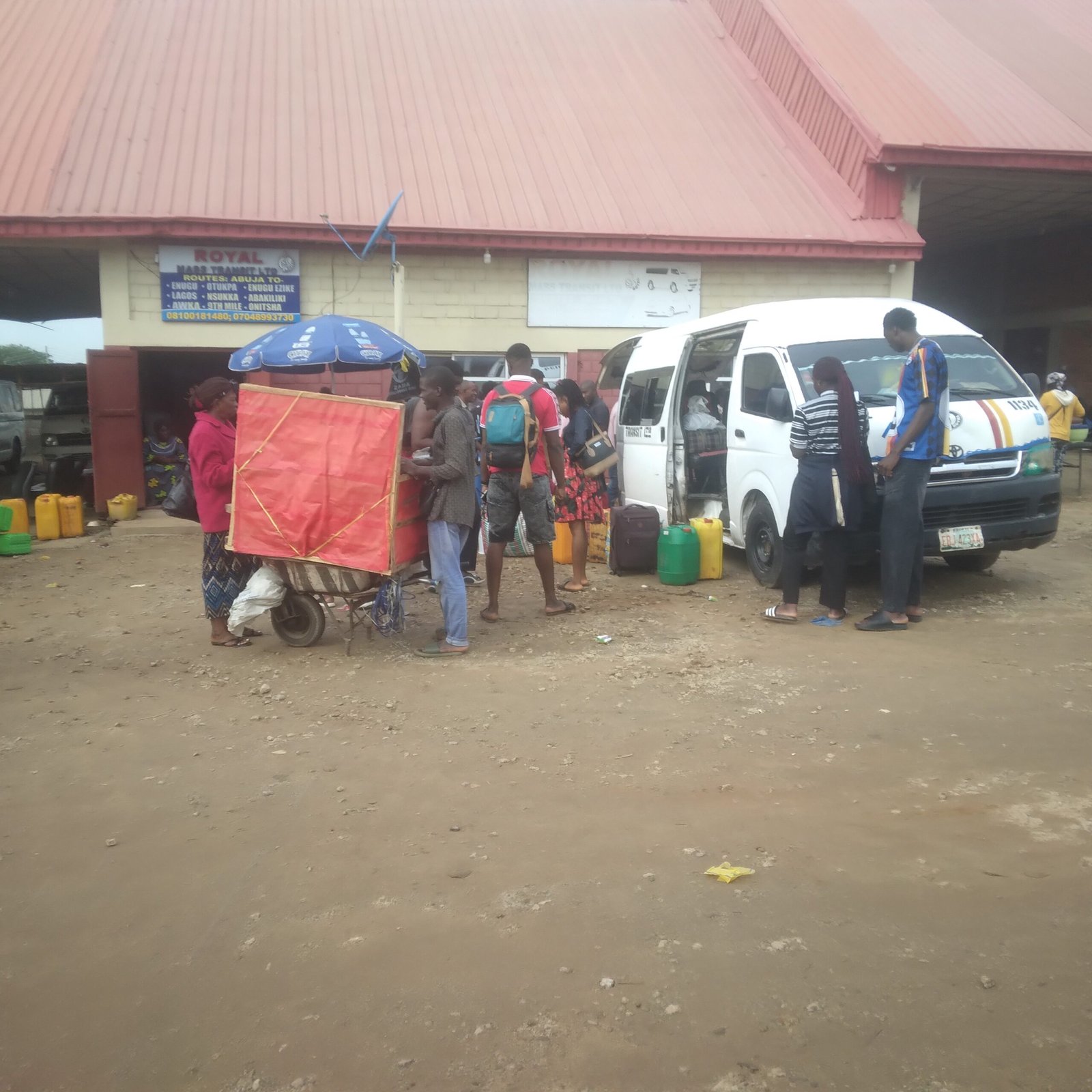
ABUJA, Nigeria – Before sunrise at Abuja’s Kubwa motor park, passengers clutching bags and food flasks crowded around commercial buses, bargaining desperately with drivers over transport fares many admitted they could barely afford. Some quietly stepped away from ticket counters after hearing the prices. Others called relatives back home to explain why they might no longer make the Eid-ul-Adha celebration, Oluwafunbi Bello, writes.
As Muslims across Nigeria prepare for the 2026 Sallah festivities, rising fuel prices, inflation and worsening economic hardship are forcing many families to scale back spending, shorten journeys or cancel traditional reunions altogether.
Nigeria’s economic pressures continue to weigh heavily on households. Latest figures released by the National Bureau of Statistics show the country’s headline inflation rate rose to 15.69 per cent in April 2026, up from 15.38 percent in March, while food inflation stood at 16.06 per cent.
At the same time, petrol prices remain volatile across the country following subsidy removal reforms, with Premium Motor Spirit prices remaining above ₦1,000 per litre in many locations, according to data published by the NBS.
The combined effect is being felt sharply during one of Nigeria’s busiest travel seasons.
“People are travelling less this year”
“The East doesn’t really celebrate Eid on a large scale, so movement there is lower,” he said. “But even generally, people are travelling less this year because money is tight.”
Nearby, passengers dragged boxes and sacks toward waiting buses while conductors shouted destinations over the noise of revving engines.
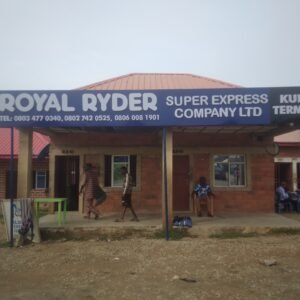
At the Royal Ryder terminal, another driver, Mathew Adebayo, said transport operators were also struggling with the impact of rising fuel costs.
“We are spending more on fuel and maintenance,” he said. “People think transport fares increased because of Sallah, but prices had already gone up before the celebration.”
According to him, trips from Abuja to towns including Omu-Aran, Iloffa, Oro and Ilorin in Kwara State now cost between ₦35,000 and ₦45,000 — significantly higher than previous years.
Families choosing between celebration and survival
For many travellers, however, staying away from family during Eid remains emotionally difficult despite the economic strain.
Salihu Mohammed, who was preparing to travel to Share in Kwara State, said he could not imagine missing the celebration with his mother.
“No matter how hard things are, I still want to celebrate Sallah with her,” he said. “Family is important.”
Another traveller, Adeyemi Mubaraq, who was heading to Lagos, said rising transport costs had consumed money he would normally spend on food and gifts.
“After paying the transport fare, there is barely anything left,” he said. “Everything is expensive now.”
For trader Hauwa Ibrahim, the journey to Ilorin had become an exercise in financial sacrifice.
“Transport alone has taken a huge part of my money,” she said. “When you add food prices and other expenses, you begin to wonder how families are coping.”
Food inflation and transport costs have become major contributors to Nigeria’s cost-of-living crisis, according to recent NBS inflation reports.
Cleric Urges Moderation During Eid
Speaking ahead of the Eid celebration, Islamic cleric Rilwan Ishaq urged Muslims to embrace moderation and avoid unnecessary financial pressure during the festivities.

“Many households are struggling with high food prices, transportation costs and inflation,” he said. “Some families who normally perform the sacrifice may no longer afford it this year.”
He warned against borrowing money simply to satisfy social expectations during Eid-ul-Adha.
“Islam does not encourage unnecessary financial burden,” he said. “Celebrations should be within one’s means.”
According to him, Eid-ul-Adha should remain focused on sacrifice, compassion and obedience rather than extravagant spending.
“The essence of Eid is not luxury,” he added. “It is about sacrifice, patience and caring for others.”
He also called on wealthy individuals, mosques and Islamic organisations to provide support for vulnerable families struggling with rising living costs.
“No family should feel abandoned during such an important celebration,” he said.
A Festive Season Shaped by Economic Hardship
Across Nigeria’s motor parks, the atmosphere ahead of Eid-ul-Adha reflects a broader national reality: millions of families are now weighing cherished traditions against economic survival.
For many households, travelling home for Sallah — once considered routine — has become an increasingly difficult financial decision.
And as buses depart crowded terminals across Abuja, countless Nigerians are being forced to celebrate this year’s Eid under the shadow of inflation and rising transport costs.
About the Author

 Mirian Gom