
 Korede Abdullah
GENEVA, Switzerland – Delegates at the 79th World Health Assembly (WHA79) intensified discussions on global health reforms, climate accountability, non-communicable diseases, and community-centred healthcare during plenary sessions and side events held Thursday in Geneva.
Global health leaders, advocacy groups, and development organisations used the gathering to push for stronger international cooperation and more equitable health systems amid growing pressure on healthcare infrastructure worldwide.
The International Federation of Pharmaceutical Manufacturers & Associations called on member states to establish “clear mandates, comparative advantages and decision pathways across institutions” under the UN80 Initiative.
The association argued that innovation and access to medicines should remain within the World Health Organization’s constitutional mandate without drifting into issues surrounding intellectual property, pricing, procurement, or manufacturing decisions.
Delegates also examined strategies for tackling non-communicable diseases, with calls for stronger primary healthcare systems and expanded access to precision medicine diagnostics in low- and middle-income countries.
During climate and health sessions co-sponsored by Vanuatu, the Netherlands, the Philippines, Papua New Guinea, Mozambique, and Fiji, speakers discussed the International Court of Justice Advisory Opinion on Climate Change and advocated stronger accountability measures linking climate policy to public health and human rights.
A nutrition-focused session organised by UNICEF, the World Food Programme, and the Global Alliance for Improved Nutrition highlighted food fortification and micronutrient supplementation as cost-effective interventions for tackling malnutrition despite global supply chain disruptions.
Meanwhile, dermatology advocacy groups including GlobalSkin and the International League of Dermatological Societies emphasized the need to integrate patient perspectives into global skin health policies, particularly for neglected tropical diseases affecting rural African communities.
Youth advocates from InciSioN Global also called for “human rights-based health systems” prioritising community care and mental health support for vulnerable young people.
Discussions throughout the day further focused on lessons from recent COVID-19 and Ebola outbreaks, strengthening emergency surveillance systems, and expanding sustainable financing for future health crises.
African health leaders also sustained momentum behind the “Delivering Africa’s Big Push Together” malaria initiative aimed at reducing malaria deaths through stronger political commitment and domestic financing mechanisms.
Organisers said the debates reflected mounting global concern over widening health inequalities, climate-related illnesses, and the vulnerability of fragile healthcare systems.
About the Author

 Mirian Gom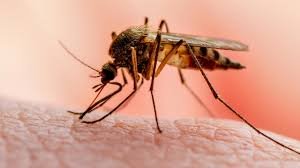
 Oluwatobi Adu