


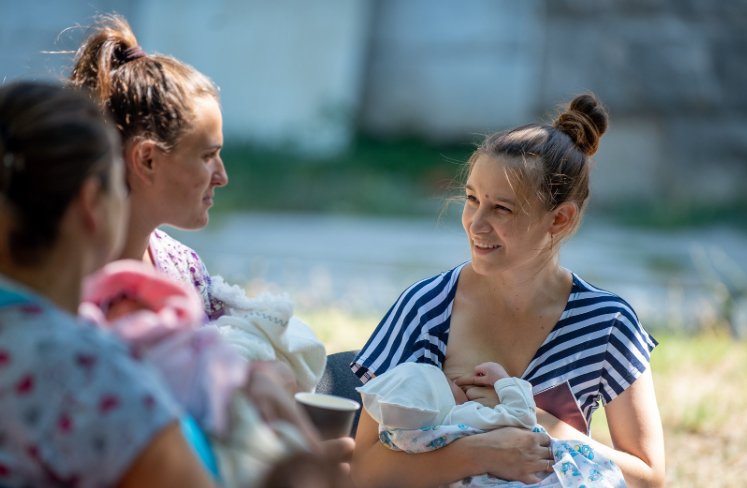
GENEVA, Switzerland – Breastfeeding support could save more than 500,000 lives every year if governments strengthen health systems, maternity protection and community-based services, the World Health Organization (WHO) and UNICEF have said ahead of this year’s World Breastfeeding Week.
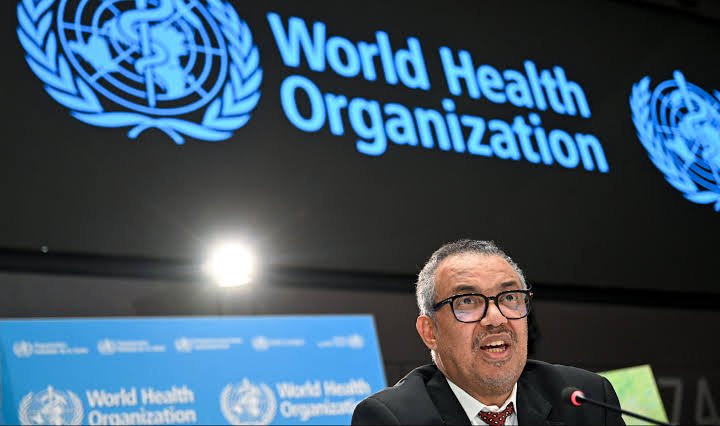
In a joint statement issued on Friday, WHO Director-General Dr Tedros Adhanom Ghebreyesus and UNICEF Executive Director Catherine Russell urged countries to invest in proven breastfeeding interventions, saying stronger policies could prevent nearly 400,000 child deaths and approximately 140,000 maternal deaths annually while generating significant economic returns.
The agencies described breastfeeding as one of the most effective and affordable public health interventions, capable of improving child survival, maternal health and long-term economic development.
Despite notable progress in global breastfeeding rates, WHO and UNICEF warned that millions of mothers continue to lack access to the support needed to initiate and sustain breastfeeding, particularly in low-income countries, fragile settings and humanitarian emergencies.
According to the statement, the global rate of exclusive breastfeeding during the first six months of life has risen from 37 per cent in 2012 to more than 47 per cent today, while breastfeeding up to two years of age has increased from 38 per cent to 50 per cent over the past five years.
However, the organisations cautioned that many countries remain off track to achieve global breastfeeding targets because investments in breastfeeding support services remain inadequate.
“Too many mothers and families around the world still lack access to services and interventions that enable and support breastfeeding,” the statement said.
The agencies also said breastfeeding significantly reduces mothers’ risk of developing breast cancer, ovarian cancer and type 2 diabetes.
According to WHO and UNICEF, every US$1 invested in breastfeeding promotion generates an estimated US$59 in economic returns through lower healthcare costs, improved educational outcomes and higher lifetime productivity.
Marking World Breastfeeding Week under the theme “Breastfeeding for a Sustainable Start in Life: Strengthen What Works,” the organisations called on governments to integrate breastfeeding support into antenatal, perinatal and postnatal healthcare services while expanding workplace protections and sustaining breastfeeding programmes in humanitarian settings.


Join the conversation