
 Korede Abdullah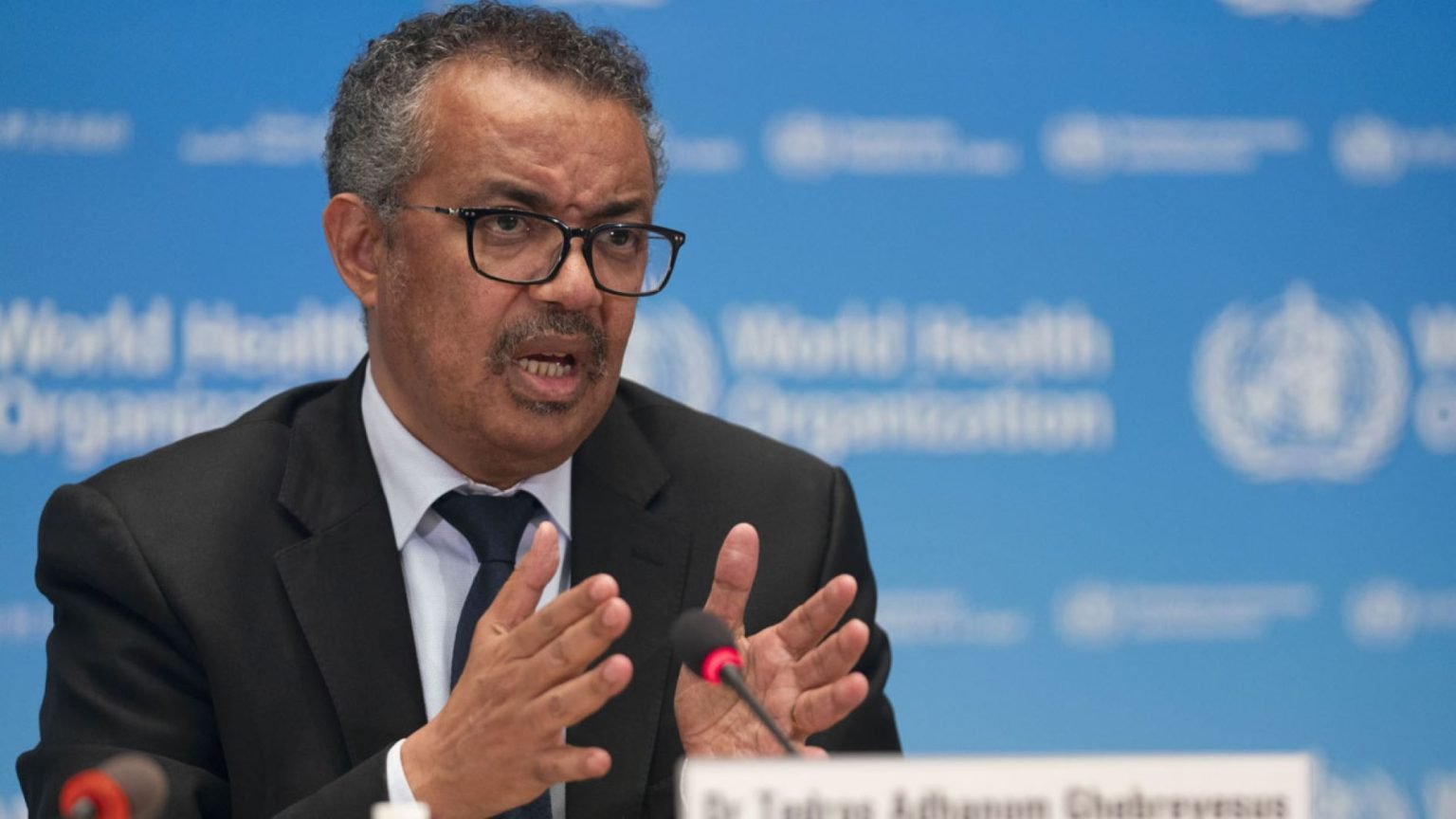
Geneva, Switzerland – The World Health Organization warns that a worsening Ebola outbreak in Central Africa, rising malaria cases and weak pandemic preparedness are threatening global health security at the 79th World Health Assembly in Geneva.
WHO Director-General Tedros Adhanom Ghebreyesus says the agency has declared a Public Health Emergency of International Concern over the Ebola epidemic spreading across the Democratic Republic of the Congo and Uganda.
“I did not do this lightly,” Tedros tells delegates on Tuesday. “We are deeply concerned about the scale and speed of the epidemic.”
WHO reports more than 500 suspected infections and 130 suspected deaths, with cases spreading into urban centres including Goma and Kampala. Health officials warn that declining global health financing, climate shocks, drug resistance and weak surveillance systems could reverse decades of public health progress.
Tedros says WHO responded to 50 emergencies in 82 countries within the past year and released nearly $30 million from its emergency contingency fund to tackle outbreaks including Ebola, cholera, meningitis and polio.
“We are stronger and safer together – as one world,” he says.
African health leaders also raise concerns over malaria, describing the disease as a growing crisis fuelled by poverty, humanitarian emergencies and rapid urbanisation. At a ministerial malaria briefing organised by the African Union Commission and partners, officials call for stronger domestic funding and local production of vaccines, medicines and diagnostics.
Experts at another high-level session warn the world remains dangerously unprepared for future pandemics due to delayed outbreak detection and fragmented international coordination.
The World Health Assembly, running from May 18 to 23 in Geneva, is expected to adopt resolutions on malaria control, emergency preparedness and reforms to the global health system.
About the Author


 Hope Ajayi
 Oluwatobi Adu
 Mirian Gom