Oluwatobi Adu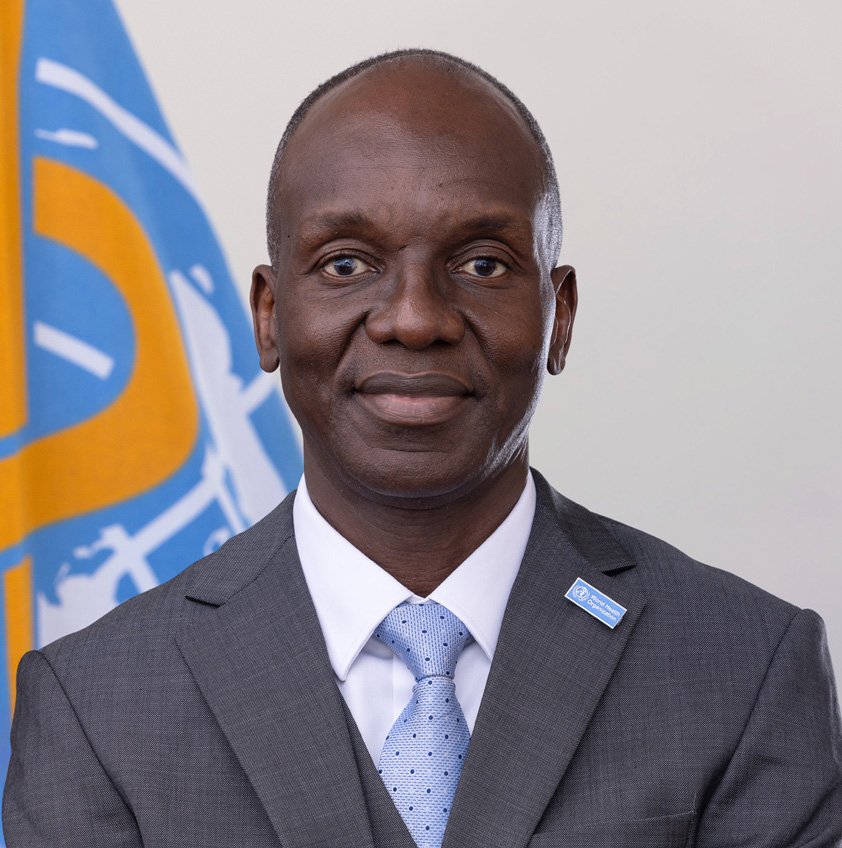
WHO Regional Director for Africa, Dr. Mohamed Janabi
ABUJA, Nigeria – The World Health Organization has raised alarm over the growing burden of oral diseases across Africa, warning that millions of people still lack access to basic dental care and preventive services.
In a message marking World Oral Health Day 2026 on Wednesday, the WHO Regional Director for Africa, Mohamed Janabi, describes oral diseases as one of the most widespread yet neglected public health challenges on the continent.
Janabi says the problem affects millions despite the fact that most oral conditions are preventable through early care, improved hygiene and stronger health systems.
“Oral diseases are among the most common and preventable health conditions, yet they remain one of the most neglected areas of public health,” Janabi says.
According to WHO data, conditions such as dental caries, gum disease, tooth loss and noma affected about 42 per cent of the population in the African region in 2021.
Health experts warn that untreated oral diseases cause severe pain, disability and long-term complications, while also placing economic and social pressure on families and already stretched healthcare systems.
To address the growing burden, African member states endorsed the WHO African Regional Framework on Oral Health in 2025, designed to support the implementation of the WHO Global Oral Health Action Plan and expand oral health coverage across the continent by 2030.
Several countries have already begun implementing prevention strategies.
With financial support from the Borrow Foundation, Ghana, Madagascar, Tanzania and Uganda have developed national oral health policies to strengthen dental care services.
In Ethiopia, support from Hilfsaktion Noma e.V. has helped train more than 850 community and primary healthcare workers across 10 regions to improve early detection of noma, a severe infectious disease affecting children.
Authorities say noma surveillance has also been integrated into mass drug administration campaigns reaching more than 2.6 million people.
Despite these efforts, WHO says access to essential oral healthcare in Africa remains critically low, with only about 17 per cent of the population able to receive basic services.
Janabi urges governments, development partners, academic institutions and civil society to increase investment in prevention, strengthen the health workforce and integrate oral health into broader universal health coverage programmes.
About the Author


 Oluwafunbi Bello
 Koko Maxwella
 Hussaini Ibrahim