
 Oluwatobi Adu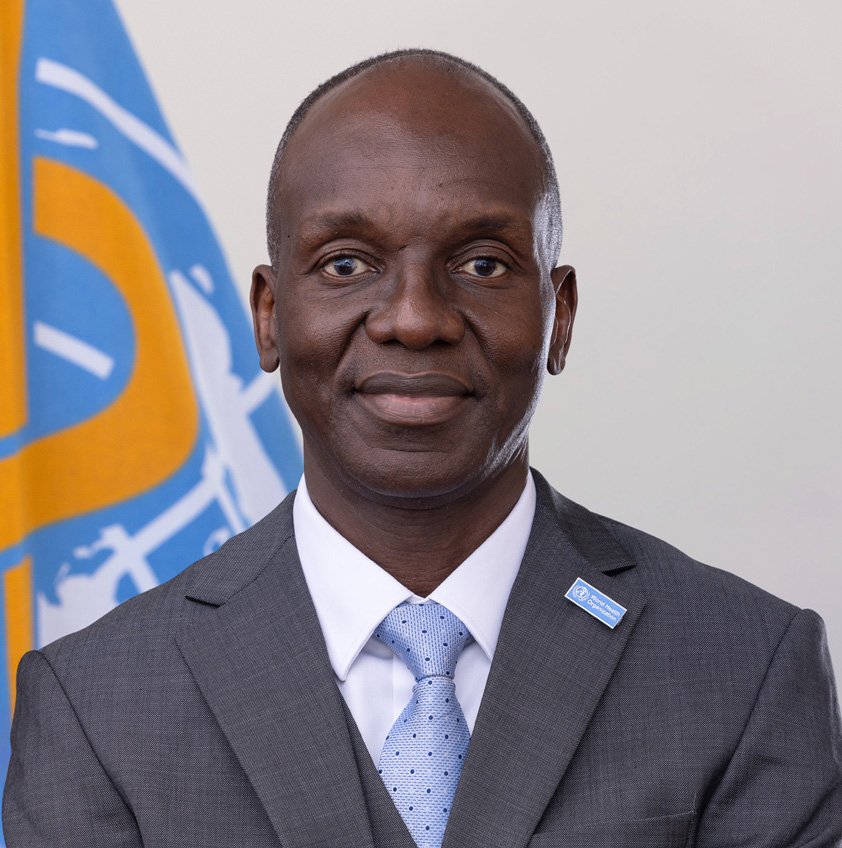
WHO Regional Director for Africa, Dr. Mohamed Janabi
ABUJA, Nigeria – The World Health Organisation’s Regional Director for Africa, Dr Mohamed Janabi, is calling on African governments to urgently reduce crippling health costs that continue to push millions into poverty, warning that affordable healthcare must become a continental priority.
In a message released on Thursday ahead of Universal Health Coverage (UHC) Day, marked on 12 December, Dr Janabi stressed that healthcare must be treated as a right, not a privilege. Speaking under the global theme “Unaffordable health costs? We’re sick of it!”, he said high out-of-pocket payments remain one of the biggest barriers preventing millions from accessing essential services.
“Health is not a privilege for the few. It is a fundamental human right and should be accessible to all,” he said.
Dr Janabi highlighted alarming figures showing that out-of-pocket spending dominates health financing in many African countries — accounting for over a quarter of total health expenditure in 31 Member States, more than half in 11 countries and above 70 percent in two.
He said these financial pressures force families into impossible choices between food and treatment, school fees and medicine, dignity and survival. Over 423 million Africans experienced financial hardship in 2022 alone, with 384 million pushed into poverty or deeper vulnerability.
“These are not statistics. They are the lived realities of households selling assets, postponing care, or slipping into deeper hardship,” he emphasised.
Dr Janabi, however, warned that progress remains uneven. He urged governments to expand prepayment and risk pooling, strengthen primary healthcare, increase domestic health financing, invest in health workers, improve supply chains and enhance accountability using disaggregated data.
He said 2025 presents a critical opportunity for reforms, adding: “Let’s build resilient, inclusive and equitable health systems that protect people from financial hardship — systems that uphold dignity and ensure health for all.”
About the Author

 Korede Abdullah
 Oluwafunbi Bello

 Chukwu Obinna