


ABUJA, Nigeria – Nigeria is turning to traditional and religious institutions to tackle its out-of-school children crisis, with the Universal Basic Education Commission (UBEC) partnering with the Sultan Foundation for Peace and Development to identify children outside the classroom and mobilise communities to enrol and retain them in school.
The partnership, formalised through a Memorandum of Understanding (MoU), will involve traditional and religious leaders in grassroots education campaigns, household identification of out-of-school children and monitoring of school attendance and retention, particularly in underserved communities.
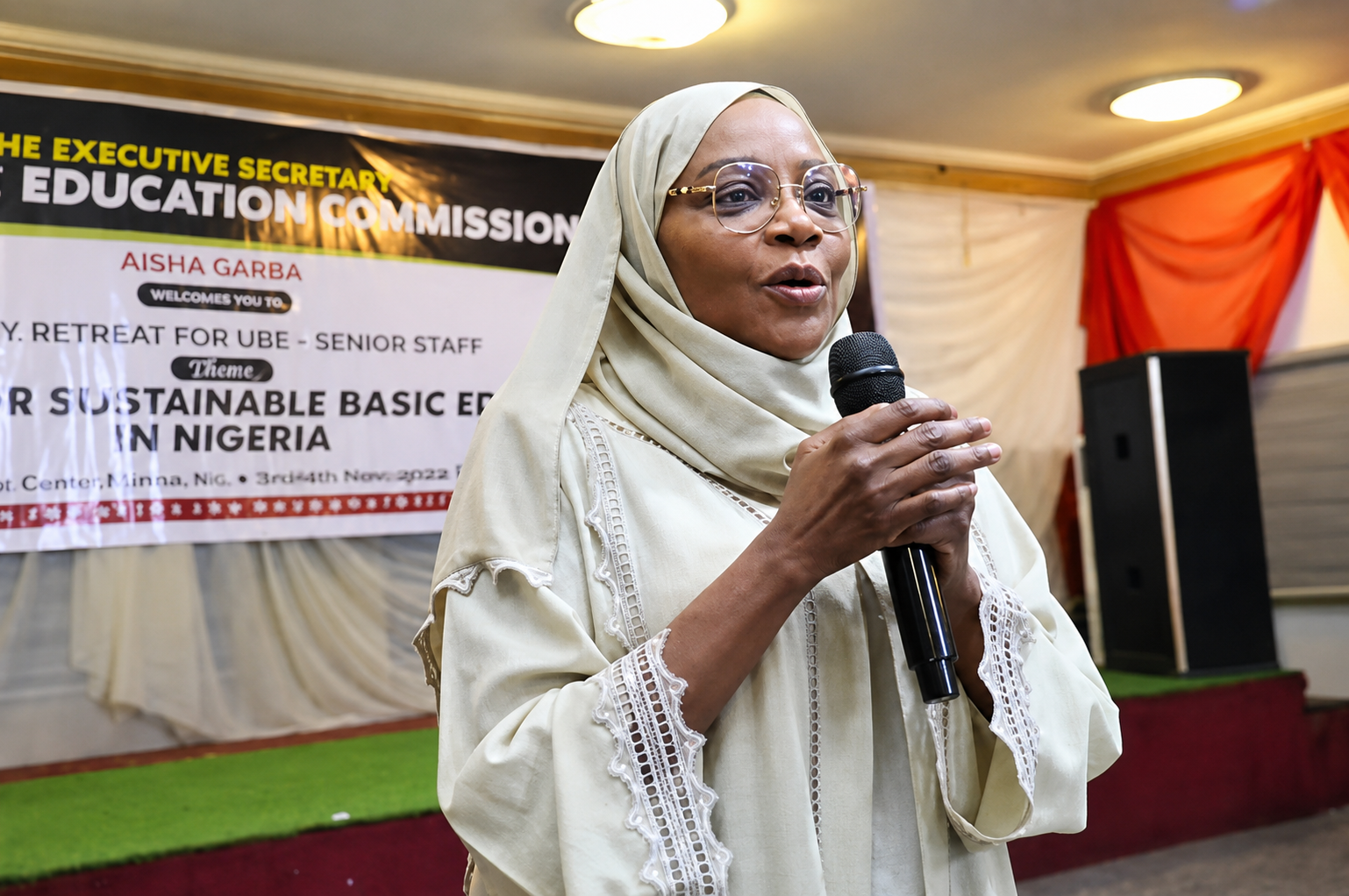
UBEC Executive Secretary, Aisha Garba, represented by the Deputy Executive Secretary (Technical), Rasaq Akinyemi, announced the agreement at its signing ceremony, describing community participation as critical to expanding access to basic education. She said the partnership would strengthen existing government interventions by connecting education policies with traditional leadership and community action, especially in areas where poverty, cultural barriers and other social challenges prevent children from accessing and completing school.
Garba said UBEC’s interventions, implemented in collaboration with the Federal Ministry of Education and State Universal Basic Education Boards (SUBEBs), had facilitated the construction of more than 4,900 classrooms, renovation of existing school facilities and provision of water, sanitation and hygiene facilities nationwide.
According to her, these infrastructure projects had directly benefited more than 2.3 million learners by the end of 2025. She added that the commission had also strengthened teacher professional development and community-driven school improvement programmes to improve teaching quality, school management and learning outcomes.
Under the new agreement, UBEC and the Sultan Foundation will establish national, state and local coordinating committees to drive advocacy and grassroots mobilisation. Traditional and religious leaders will be expected to encourage families to prioritise children’s education, identify children who are not attending school and facilitate their enrolment in nearby schools.
The partnership will also promote education advocacy through materials translated into Hausa, Fulfulde and Yoruba, while community stakeholders will participate in monitoring school attendance, retention and completion. Garba said the agreement included accountability mechanisms to recognise communities, schools and traditional leaders that demonstrate measurable improvements in access to basic education.



Join the conversation