UBEC Reviews Partnerships to Expand Education Access for Nigerian Children
 Otamere Gladness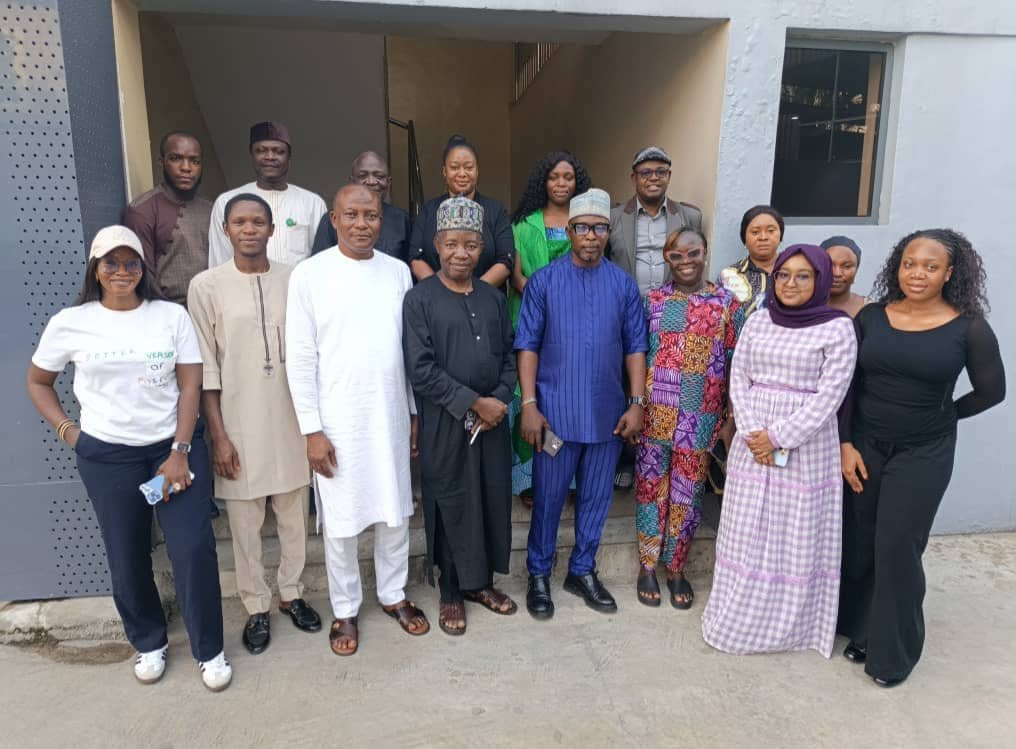
ABUJA, Nigeria – The Universal Basic Education Commission (UBEC) is reviewing its public-private engagement framework to strengthen educational access for Nigerian children.
Executive Secretary, UBEC, Aisha Garba has directed the review to align with reforms ensuring quality basic education reaches all school-age youths, regardless of financial status.
The three-day strategic session in Lagos convened UBEC experts, government officials, and external stakeholders to restructure the Public-Private Engagement and Partnerships (PPEP) framework.
“UBEC is proposing a robust and inclusive Framework for Public-Private Engagement, institutionalizing collaboration with diverse stakeholders including corporate organisations, civil society, and development partners,” said Mr. David Apeh, UBEC official.
The initiative focuses on improving international partnership models, aligning them with national education policies, and targeting region-specific reforms. Garba emphasised that Nigeria currently has around 17 million out-of-school children.
“Collaboration among stakeholders, state governments, and communities is critical to expand education access, reduce out-of-school numbers, and optimize UBEC Matching Grants,” Garba said.
This strategy highlights UBEC’s commitment to leveraging partnerships to achieve universal education and address systemic barriers, including infrastructure, technology integration, and support for marginalized children, including girls and those with disabilities.
About the Author

 Korede Abdullah
 Chukwu Obinna