Koko Maxwella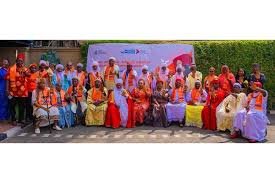
ABUJA, Nigeria – Nigeria’s Minister of Women Affairs, Hajiya Imaan Sulaiman-Ibrahim, calls on traditional rulers to take stronger frontline roles in combating gender-based violence, warning that cultural leadership remains central to national protection efforts.
Speaking at the National Convening of Traditional Leaders in Abuja, the Minister—represented by her media adviser, Jonathan Eze—says Nigeria faces a “defining moment where culture, leadership and courage must converge.”
Sulaiman-Ibrahim highlights alarming statistics, noting that one in three Nigerian women experiences GBV, with most cases occurring within homes. “We remember the lives lost, we honour survivors, and we reaffirm our commitment to a Nigeria where every woman and girl lives free from fear,” she says.
She applauds national progress in domesticating the Child Rights Act and VAPP Act but stresses that legislation “cannot protect women unless embraced culturally.” According to her, traditional rulers serve as “the moral compass of our nation” and must take advocacy directly into communities, palaces and cultural councils.
The Minister announces a National Audit on Women’s Inclusion in Traditional Governance, aimed at tracking women’s participation and encouraging reforms. She reiterates support for Special Parliamentary Seats for women, arguing that increased female representation strengthens national protection systems.
Sulaiman-Ibrahim also confirms that Nigeria will soon launch the Third National Action Plan on UN Resolution 1325, formally recognising traditional institutions as critical actors against harmful practices and conflict-related violence.
“You are the guardians of cultural identity and the first line of defence for the vulnerable. Nigeria cannot defeat GBV without you,” she declares.
The convening draws monarchs from kingdoms and chiefdoms nationwide, who share strategies for building safer, more inclusive communities.
About the Author

 Otamere Gladness
 Edino Chubiyo Cornelius