
 Edino Chubiyo Cornelius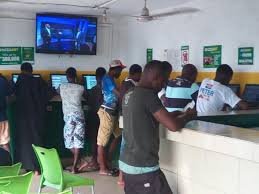
ABUJA, Nigeria – Sports betting is rapidly transforming from casual entertainment into a daily financial habit for many young Nigerians, raising concerns over addiction, economic vulnerability and weak regulation.
In a vox pop by Africa Health Report in Abuja, voices across the betting ecosystem describe a surge driven by mobile access, aggressive marketing and a struggling job market.
“At first, it was just for fun during big matches,” says 24-year-old bettor Sadiq Ahmed. “Now, I play almost every day. Sometimes I win, but most times I lose—and still try again.”
For operators, the growth is undeniable. Ibrahim Musa, a betting shop manager, says participation has intensified.
“From morning till night, people are staking. Some now depend on it as income,” he says, warning that repeated losses keep users trapped.
Policy experts say regulation is lagging behind the boom. Dr. Kemi Adeyemi notes that digital platforms are expanding faster than oversight.
“Young people are engaging without adequate protection,” she says. “Regulation must go beyond licensing to safeguarding users.”
Health professionals warn of rising addiction. Dr. Chinedu Okafor says cases of compulsive gambling are increasing.
“Many start small but begin chasing losses. It affects mental health, relationships and productivity,” he explains.
Economists link the trend to deeper structural issues. Financial analyst Tosin Balogun says betting reflects limited economic opportunities.
“It creates an illusion of quick money, but the system favours long-term loss,” he says.
Yet some users defend betting as a personal choice and source of hope.
As participation grows, experts urge stronger regulation, public awareness and economic reforms to prevent betting from becoming a survival strategy.
About the Author


 Oluwatobi Adu
 Koko Maxwella
 Chukwu Obinna