
Cholera Surges Across Southern Africa Amid Floods, Cyclones, Displacement
 Oluwatobi Adu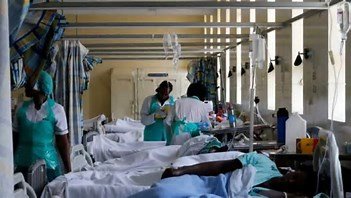
ABUJA, Nigeria – Cholera cases spike sharply across Southern Africa as floods, cyclones, and mass displacement worsen public health risks, according to the World Health Organization. Fragile water and sanitation systems amplify disease transmission, putting thousands at risk.
Between 1 January and 15 February 2026, 4,320 cholera cases and 56 deaths were recorded in Malawi, Mozambique, Namibia, Zambia, and Zimbabwe — more than seven times the 586 cases and 11 deaths reported during the same period in 2025. Mozambique accounts for nearly 90% of the subregional cases after flooding affected over 700,000 people.
Dr Marie Roseline Darnycka Belizaire, Emergencies Director at WHO Africa, warns: “The sharp rise in cholera cases is a reminder of how climate shocks intensify public health risks. We are working with national authorities to provide emergency health assistance while strengthening system resilience.”
Authorities identify 27 high-risk zones across five countries. Experts project between 12,000 and 22,000 additional cases from March to August if no intervention occurs, citing cyclones, displacement, damaged water systems, and humanitarian pressures as contributing factors.
In response, WHO and partners scale up cholera vaccination, disease surveillance, and essential medical supply distribution. While mild cases respond to oral rehydration solutions, severe cases require urgent intravenous fluids and antibiotics. Officials emphasise that long-term investment in safe water, sanitation, and hygiene is the most effective preventive strategy.
About the Author

 Edino Chubiyo Cornelius
 Hussaini Ibrahim

 Koko Maxwella