



ABUJA, Nigeria – At a bustling clinic in Abuja, where the hum of patients blends with the quiet urgency of diagnosis, a cardiologist pauses mid-consultation to challenge one of modern medicine’s most repeated mantras: “reduce your salt intake.” For decades, salt has been cast as the villain in the global fight against heart disease. Yet, emerging science and clinical experience in Nigeria are rewriting that narrative, revealing a far more nuanced truth — one where both excess and deficiency can quietly endanger lives. Otamere Gladness, writes.
The Long War Against Salt
For years, public health campaigns across the world have waged an aggressive war against sodium. The logic is simple: too much salt raises blood pressure, which in turn increases the risk of heart disease, stroke, and kidney failure.
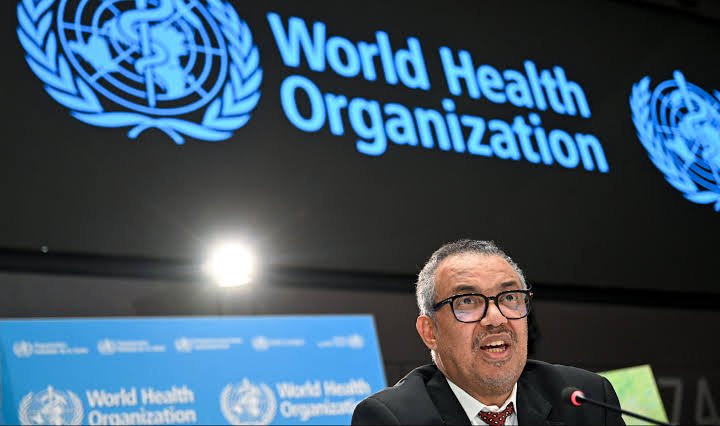
The World Health Organization (WHO) recommends that adults consume less than 2,000 milligrams of sodium daily — roughly equivalent to one teaspoon of salt. Yet globally, this threshold is routinely exceeded. In the United States, average intake climbs above 3,300 mg per day, while Japan records levels closer to 4,000 mg.
Nigeria is not exempt. Studies suggest that in some regions, median sodium intake hovers around 3,876 mg per day — above WHO recommendations but still distinct in pattern. Unlike Western nations, where ultra-processed foods dominate sodium consumption, most Nigerians consume salt through home-cooked meals, traditional seasonings, and local diets. Salt, Sweat and Survival: Inside Nigeria’s Hidden Sodium Crisis
This difference, experts say, matters.
When Less Becomes Dangerous
In a quiet but firm tone, Professor Augustine, a Consultant Cardiologist and Professor of Cardiovascular Medicine, dismantles the oversimplified narrative.
“Salt is a physiological thing in the body,” he explains. “Looking at the relationship between salt and cardiovascular physiology is not linear. Both high and low intake are not good.”
His warning cuts against decades of messaging. While excessive sodium is undeniably harmful, emerging evidence suggests that too little salt may also carry significant risks.
“Studies have shown that low salt intake has increased mortality and it causes high cholesterol in the body. It may even cause issues like hyponatraemia and seizure disorder,” he says.
Hyponatraemia — a condition where sodium levels in the blood fall dangerously low — can lead to confusion, seizures, and in severe cases, death. But the risks do not end there.
“Low salt intake activates the Renin-Angiotensin system and the sympathetic nervous system,” Professor Augustine continues. “When activated, it has its own detrimental effect on the heart.”
This biological response, triggered by sodium deprivation, may paradoxically increase cardiovascular strain — the very outcome low-salt diets aim to prevent.
The Fragile Balance of the Human Body
The human body depends on sodium for critical functions: maintaining fluid balance, enabling nerve transmission, and supporting muscle function. Too much disrupts these systems; too little destabilises them.
This delicate equilibrium has given rise to what experts now call the “Salt Paradox” — the idea that optimal health lies not in elimination, but in balance.
For most adults, that balance falls between 1,500 and 2,300 mg of sodium per day. Yet, in Nigeria’s dietary context, Professor Augustine urges caution in applying global recommendations without adaptation.
“My advice to people is that naturally in Nigeria, we do not take so much salt,” he says. “Advising people to take low salt in our country, looking at our diet, is not something I would push for as a public health approach.”
Traditional Nigerian meals — rich in vegetables, grains, and minimally processed ingredients — often contain moderate sodium levels compared to highly industrialised diets. Blanket restrictions, he suggests, risk overlooking this reality.
Lives Behind the Science
Beyond statistics and policy debates, the salt paradox plays out in the lives of ordinary Nigerians navigating complex health challenges.
Mrs. Joy and Mrs. Precious, both diagnosed with low blood pressure, found themselves battling fatigue, dizziness, and recurring weakness. Their treatment did not involve cutting salt — but adding it.
On medical advice, they began incorporating a small pinch of salt into their daily water intake. The effect was immediate and transformative: improved energy levels, stabilised blood pressure, and a renewed sense of normalcy.
Their experience underscores a critical point — sodium needs are not universal. They vary based on individual health conditions, climate, and lifestyle.
In a country like Nigeria, where high temperatures drive heavy sweating and fluid loss, sodium depletion is not uncommon. For manual labourers, outdoor workers, and even commuters navigating long hours in the heat, salt loss can quietly accumulate.
Rethinking Public Health Messaging
The simplicity of “cut salt” has long made it an attractive public health message. But simplicity, experts warn, can sometimes obscure reality.
Nigeria’s health landscape demands a more tailored approach — one that considers dietary patterns, environmental conditions, and the dual burden of disease.
While hypertension remains a major concern, so too does the risk of misinformed dietary restrictions that may inadvertently harm vulnerable populations.
Professor Augustine’s position is clear: nuance matters.
“Continue to eat the foods we have here in Nigeria which do not contain so much salt,” he advises.
Rather than sweeping restrictions, the focus should shift towards informed moderation — empowering individuals to understand their bodies and make context-specific choices.
Practical Steps for a Balanced Approach
Achieving the right sodium balance does not require extreme measures. Instead, it calls for awareness, moderation, and simple dietary adjustments.
Nutritionists recommend enhancing flavour with natural alternatives such as garlic, ginger, onions, herbs, and citrus rather than relying heavily on salt. This approach not only reduces sodium intake but also introduces additional health benefits.
Equally important is the role of potassium — a mineral that helps counterbalance sodium’s effects. Foods such as bananas, spinach, beans, yam, and oranges support cardiovascular health and maintain electrolyte balance.
Consumers are also encouraged to read food labels carefully, particularly when purchasing packaged items, and opt for lower-sodium alternatives where possible.
Hydration, often overlooked, plays a critical role. While drinking water is essential, excessive intake without electrolytes can dilute sodium levels, especially in individuals already at risk of hyponatraemia.
For those with specific medical conditions — including low blood pressure, kidney disease, or heart failure — professional guidance remains crucial.
Beyond Extremes
The salt paradox ultimately challenges a deeply ingrained belief: that eliminating a perceived dietary “enemy” guarantees better health.
Instead, it reveals a more complex truth — that the human body thrives on balance, not absolutes.
In Nigeria, where traditional diets and environmental realities differ significantly from those in high-income countries, adopting global health advice without local adaptation may do more harm than good.
The path forward lies in precision, not generalisation.
As Professor Augustine puts it: “Talk to your doctor for personalised guidance based on your blood pressure, kidney function, and lifestyle.”
The Bigger Picture
Salt, once reduced to a simple villain in public health discourse, is now being reconsidered through a broader, more scientific lens.
Its story is no longer just about excess — but about equilibrium.
For Nigeria, this shift presents an opportunity: to craft health messages that reflect lived realities, respect traditional diets, and prioritise evidence over assumption.
Because in the end, the question is not whether salt is good or bad.
It is how much — and for whom.


Join the conversation