From Stew to Survival: Inside Nigeria’s Kitchen Crisis as Families Trade Nutrition for Affordability
 Oluwatobi Adu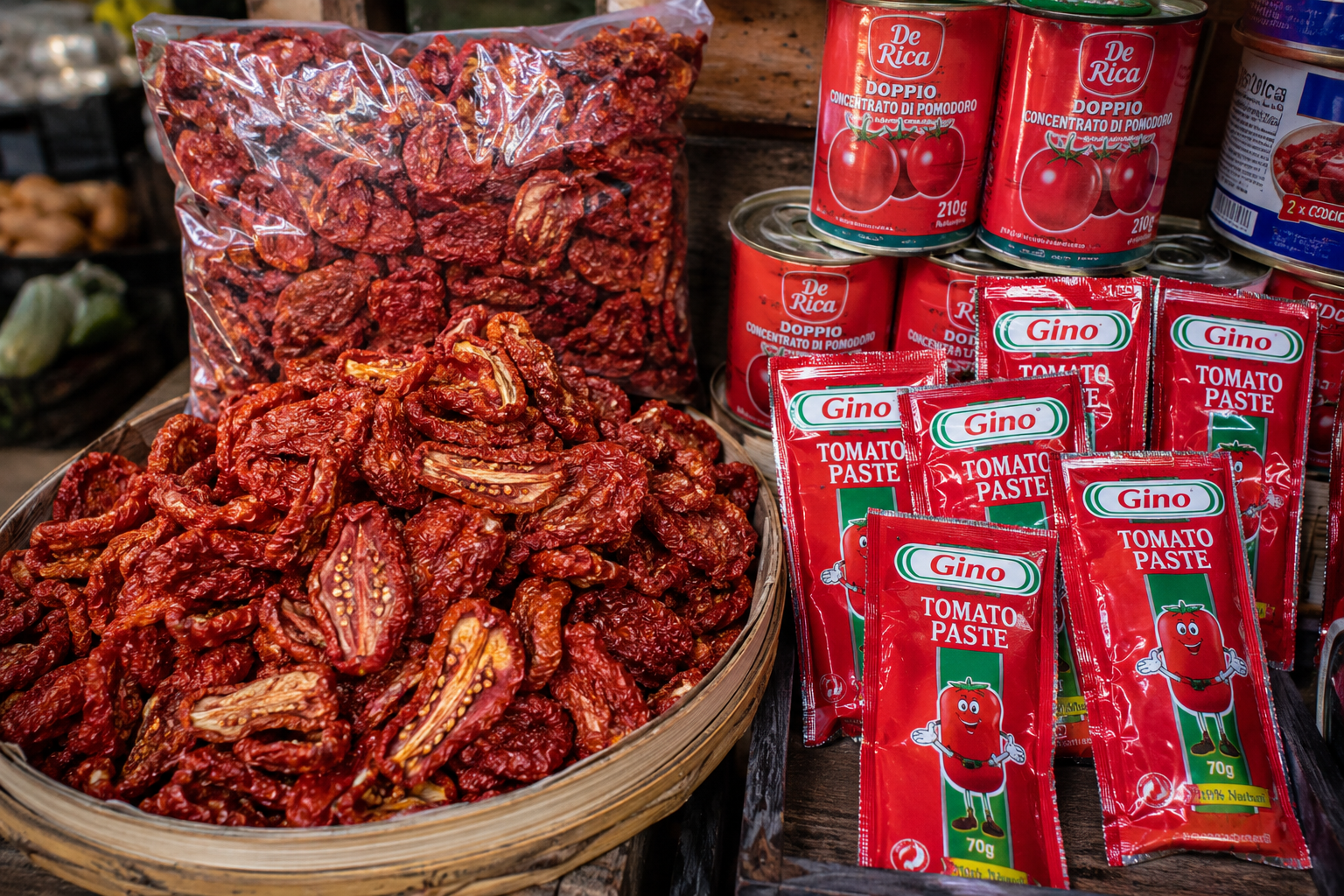
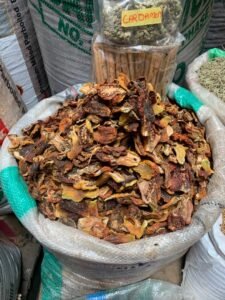
Dried tomatoes and packaged tomato paste displayed at a shop in Utako Market, Abuja, as rising fresh tomato prices drive consumers towards more affordable alternatives.
ABUJA, Nigeria – Before sunrise, the first queues forming in Abuja’s bustling markets are no longer for bargains but for survival. Mothers clutch worn shopping bags, silently recalculating family meals as tomatoes and peppers—once the heart of Nigeria’s stews, soups and everyday cooking—slip beyond the reach of shrinking household budgets. Across the country, recipes are being diluted, fresh ingredients replaced with cheaper alternatives, and nutritious meals sacrificed to stretch dwindling incomes. In this report, Africa Health Report’s Oluwatobi Adu travels through markets and neighbourhoods to uncover how soaring food prices are reshaping what Nigerians eat, threatening children’s nutrition and exposing the hidden human cost of a deepening cost-of-living crisis.
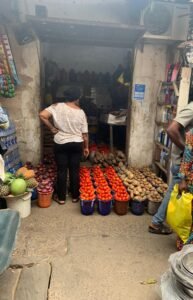
For Mrs. Hassan, a routine visit to Utako Market in Abuja has become an exercise in painful compromise.
Standing before baskets of bright red tomatoes and fresh peppers, she pauses, calculates, and eventually walks away with less than she intended.
What was once an ordinary shopping trip has become a weekly reminder of how far the purchasing power of ordinary Nigerians has declined.
Instead of buying enough fresh ingredients to prepare nutritious meals for her family, she now searches for cheaper alternatives that can stretch her limited budget without leaving the cooking pot empty.
“The pepper is too costly. I sometimes buy dried tomatoes because it is cheaper. They sell it in small modules, and I mix the dried tomatoes with pepper and onion to make soup these days,” she lamented to Africa Health Report.
Mrs. Hassan’s experience is becoming increasingly common across Nigeria, where soaring food inflation has transformed ingredients once regarded as everyday necessities into luxury purchases for many low-income households.
While tomatoes and peppers remain indispensable ingredients in many Nigerian soups, stews and sauces, they have also become among the clearest symbols of the country’s deepening cost-of-living crisis.
According to the latest food inflation trends, the prices of fresh vegetables and other staple foods have risen sharply over the past year, placing additional pressure on families already grappling with rising transportation costs, fuel prices and stagnant incomes.
Nutrition experts warn that when households begin cutting back on fresh produce, the effects extend far beyond taste, affecting dietary diversity, children’s development and overall public health.
‘The Plate Keeps Getting Smaller’
The struggle is visible across Abuja’s major markets.
From Utako to Dei-Dei and Kado, traders and shoppers tell remarkably similar stories of shrinking purchases, rising prices and difficult decisions.
Miss Effiong has gradually abandoned buying fresh tomatoes in the quantities she once considered normal.
Instead, she now relies heavily on processed alternatives to keep family meals affordable.
“I mostly buy sachet tomatoes these days and mix it with fresh peppers that I buy from the market to cook,” she said.
The decision, she explained, was driven entirely by necessity.
“Before, the small plate of tomatoes used to be N500 or N1,000, but now it is N2,000. Even pepper is now N1,000 or N2,000 per plate. There is no N500 like before.”
For many consumers, the figures tell a story that statistics alone cannot capture.
Meals that once required little financial planning are now carefully rationed.
At Dei-Dei Market, Mrs. Lawal has watched prices rise to levels she never imagined.
Buying in bulk no longer guarantees affordability.
“The prices have really skyrocketed in the past few months. A few months ago, I used to buy a very big basket of tomatoes and peppers for N28,000, but this month, it now goes for N72,000.”
The increase has forced many households to reconsider not only what they eat but also how they prepare meals requiring fresh vegetables.
For food vendors whose livelihoods depend on feeding others, the situation is equally challenging.
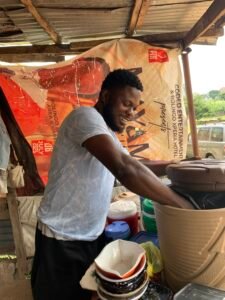
Along Independence Avenue in Abuja, Mr. Jeffery carefully stirs a pot of stew while trying to absorb rising costs without driving customers away.
His business has become a daily balancing act between maintaining quality and staying afloat.
“I must confess it has not been easy. Pepper and tomatoes are too costly and expensive. But sometimes I cook with sachet tomatoes. I see no reason in adding to my food prices or reducing portion sizes because in the food business, some days you gain, some days are sweet, while some days are tough like now that tomatoes and pepper are quite expensive in the market.”
Despite mounting financial pressure, he says lowering standards is not an option.
“I like what I am doing, and my customers deserve the best,” he added.
His determination reflects the difficult choices facing thousands of small food businesses across Nigeria.
Many absorb part of the rising costs to retain customers, even as profit margins continue to shrink.
More Than Inflation: Why Prices Keep Climbing
Behind the soaring prices lies a combination of seasonal, environmental and structural challenges.
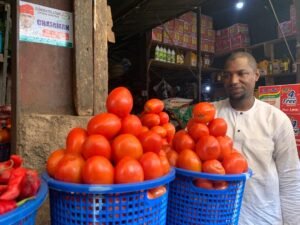
Muaz Hamza, Chairman of the Fruit and Vegetable Association at Utako Market, says many consumers mistake the current situation for an unusual market shock, when in reality the seasonal cycle has long affected tomato production.
This year, however, the effects have been magnified by broader economic pressures.
“It usually happens every year. When rain starts in the North, the tomatoes they normally water from the ground, when heavy rain falls and reaches the ground, it kills the tomatoes. Before they plant another one and it grows, it takes up to three months.”
According to him, the seasonal shortage generally begins around May and extends into July before supplies improve later in the year.
At present, much of Abuja’s tomato supply comes from Plateau State after production in several northern farming communities declined with the onset of heavy rains.
The Impact on Prices Has Been Dramatic
A large basket of tomatoes now sells for about ₦150,000, while medium-sized baskets cost between ₦75,000 and ₦80,000 as against ₦80,000 and ₦40,000 previously.
Even the smaller dustbin-sized baskets, once affordable to petty traders, have risen from about ₦3,000 to between ₦14,000 and ₦15,000, placing enormous pressure on retailers and ultimately consumers.
Hamza believes prices will ease when new harvests begin reaching markets.
Until then, however, both traders and households remain trapped in a cycle of dwindling supply and escalating costs.
While consumers struggle with shrinking purchasing power, the pressure is equally intense for the traders who supply Nigeria’s kitchens.
For many retailers, every market day has become a gamble.
Prices fluctuate rapidly, supplies are uncertain, and customers who once bought baskets now purchase only a handful of tomatoes.
At Kado Market in Abuja’s Gwarinpa district, pepper trader Kabiru says the soaring cost of produce is making business increasingly difficult.
“The market has been too expensive to buy. I buy a small basket of tomatoes for N14,000, and a small basket of pepper for N12,000 or N13,000 from DeiDei Market to sell here at Kado Market. It is too expensive and scarce to buy.”
He explained that consumers often accuse traders of exploiting the situation without understanding the costs involved.
“A small plate of tomatoes is N2,000, and a very small plate of rodo is N1,000. We no dey pepper season,” he said.
Nearby, another trader, Yunus, watches customers haggle over quantities that would barely have filled a cooking pot a year ago.
“Pepper and tomatoes especially are too costly. Customers will buy small quantities for big money… We are not in the pepper season, that is why. We are hoping for the prices to come down soon.”
Their frustration reflects a broader reality across Nigeria’s food supply chain.
Farmers face unpredictable weather, rising fertilizer costs and insecurity in major food-producing communities. Transporters contend with soaring diesel prices, while wholesalers and retailers struggle with mounting operational expenses before produce even reaches household kitchens.
The result is a chain reaction in which every link passes additional costs to the next, leaving consumers to shoulder the heaviest burden.
When Affordability Becomes a Public Health Issue
Nutrition experts warn that the crisis extends far beyond household budgets.
Tomatoes and peppers are rich sources of vitamins, antioxidants and micronutrients essential for healthy growth, disease prevention and immune function. When families begin reducing their consumption of fresh vegetables because of cost, the long-term consequences may be less visible than empty market stalls—but potentially far more damaging.
According to the World Health Organization, healthy diets remain one of the most effective protections against malnutrition and non-communicable diseases.
Meanwhile, UNICEF has consistently warned that poor dietary diversity during childhood increases the risk of stunting, weakened immunity and impaired cognitive development.
Nigeria already faces one of the world’s highest burdens of child malnutrition. National surveys have shown that millions of children suffer from stunting and other forms of undernutrition, largely driven by poverty, food insecurity and inadequate access to nutritious diets.
For Dr Ejike Oji, Chairman of the Management Committee of the Association for the Advancement of Family Planning and a public health expert, the current situation illustrates how economic hardship can quietly evolve into a nutrition crisis.
“There’s no doubt that fresh vegetables have their own advantage, but it doesn’t mean that if they are properly dried, they lose everything. They will still have some of their values, even though it might not be as much as when they are fresh,” Dr Oji said.
While dried tomatoes remain a reasonable alternative when fresh produce becomes unaffordable, he stressed that they should not be viewed as an equal replacement.
“Anything fresh, natural, cannot be compared with anything at all. It’s always the best. But when it is not possible, you go for the second level. It loses some of its value, but it doesn’t lose it completely.”
However, he expressed concern about growing dependence on heavily processed alternatives.
“Processed food can never be compared to fresh. Some preservatives may contain sugar and increase calorie levels in the body. For people who are diabetic or diabetes-prone, they may be more exposed.”
His warning becomes even more significant when considering children during their earliest years of development.
“If the child is not properly nourished within the first 1,000 days of life, the person gets permanent brain stunting. The child may never develop to his or her full potential, and that is the danger if poverty continues and nutrition keeps getting worse.”
A Crisis Beyond the Kitchen
Although seasonal rainfall partly explains the current shortage, experts argue that the problem is also rooted in deeper structural challenges.
Insecurity has disrupted farming activities in several agricultural communities. Poor rural roads increase transportation costs. Limited cold-chain storage means large volumes of tomatoes spoil before reaching urban markets, while climate variability continues to affect yields.
Agricultural economists estimate that Nigeria loses a significant proportion of its tomato harvest annually because of poor storage, weak logistics and post-harvest losses—waste that ultimately drives up prices for consumers.
Stakeholders say reducing these losses could significantly improve affordability without necessarily increasing production.
Beyond emergency interventions, experts advocate sustained investment in irrigation, climate-smart agriculture, improved storage facilities, better transportation networks and stronger support for smallholder farmers who produce much of the country’s vegetables.
Strengthening agricultural value chains, they argue, would help shield consumers from seasonal price shocks while improving national food security.
The Cost of an Empty Pot
For Mrs. Hassan, and Ms. Effiong the crisis is not measured by food inflation percentages or market statistics. It is measured by the handful of tomatoes they quietly return to the seller each week because they no longer fit their budget. Across Nigeria, millions of families are making the same silent calculation—one meal, one ingredient and one compromise at a time.
About the Author


 Mirian Gom
 Korede Abdullah