


ABUJA, Nigeria – At what should be the busiest hour of the day—the lunch rush—the roadside food stall run by Samuel Omeje sits in uneasy silence, steam rising from half-filled pots as passersby glance and walk on; Chukwu Obinna, reports that in this quiet absence of customers lies the stark contradiction at the heart of Nigeria’s economy today: inflation is falling, yet poverty is tightening its grip on millions.
A Quiet Stall, A Loud Crisis
Just two years ago, Omeje recalls, afternoons meant brisk business and long queues.
“Afternoon time, everywhere go full,” she said. “People go queue, I no go even rest.”
Now, the rhythm has broken.
“I cook half of what I used to cook before,” she said. “And even that half, I no dey sell am finish again.”
Her experience captures more than a struggling business—it reflects a widening disconnect between macroeconomic indicators and everyday survival in Nigeria.
Numbers That Tell Two Stories
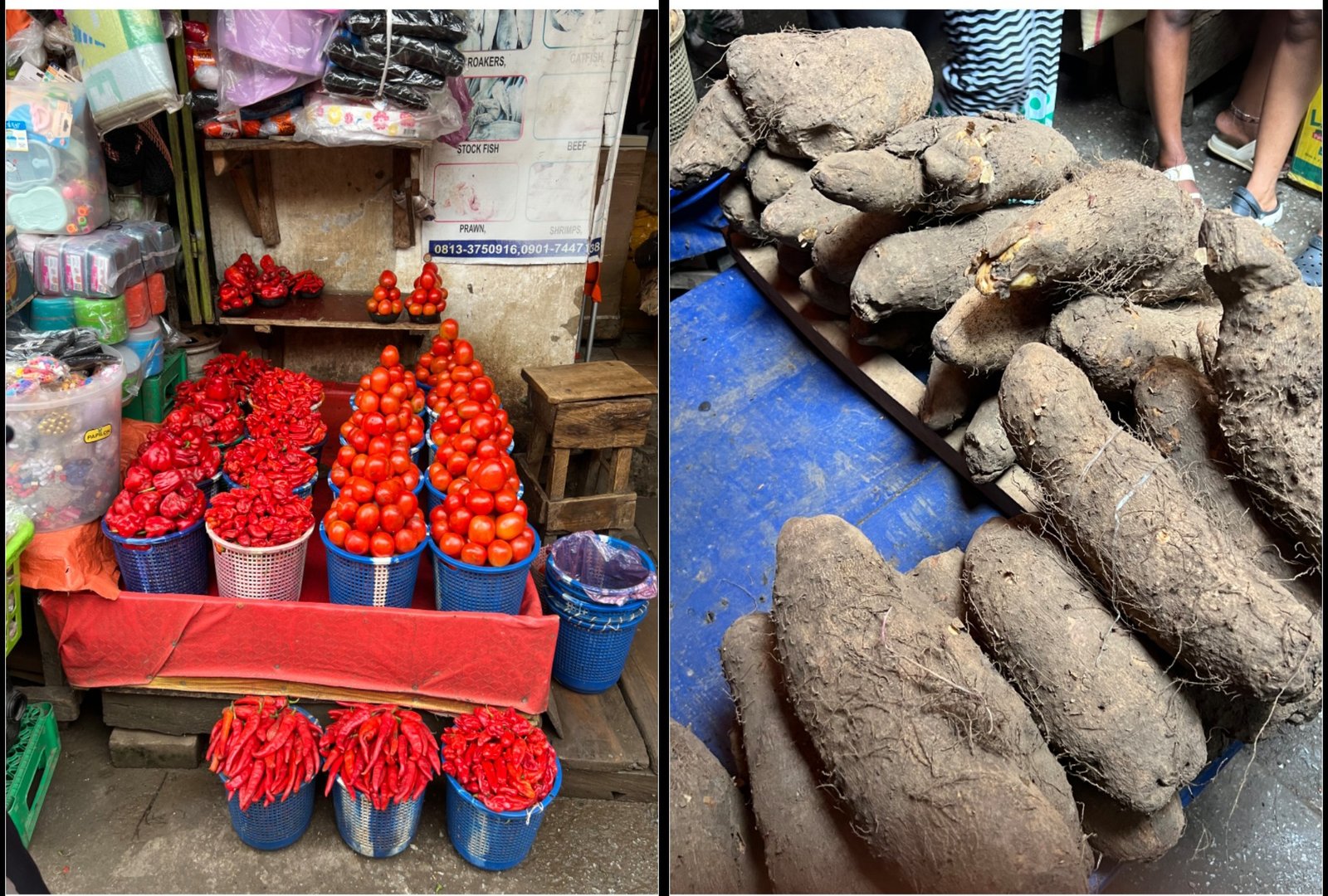
On paper, Nigeria’s economy appears to be stabilising. Data from the National Bureau of Statistics show headline inflation dropped sharply from 34.80 per cent in December 2024 to 15.15 per cent in December 2025. Food inflation followed a similar trajectory, falling from 39.84 per cent to 10.84 per cent.
But beneath these encouraging figures lies a more troubling reality. According to the World Bank’s Nigeria Development Update (April 2026), poverty has worsened significantly rising from 56 per cent in 2023 to 63 per cent in 2025, pushing an estimated 140 million Nigerians below the poverty line.
The contradiction is striking prices are stabilising, yet hardship is deepening.
As the World Bank noted, “Household incomes have not grown fast enough to offset still-elevated inflation, and poverty has yet to begin declining.”
The Economics of Empty Pockets
For traders and small business owners, the explanation is painfully simple: demand has collapsed.
“Before, I dey cook plenty food and I go sell am finish,” Omeje said. “Now, even the small one wey I cook go still remain.”
She is clear about the problem. “That time, money dey… now, no money. People no fit buy again.”
A few streets away, electronics trader Yakubu Idris tells a similar story. His stall, stocked with chargers, power banks and small appliances, has become a barometer of shrinking disposable income.
“Before, people go buy immediately something spoil. Now, dem go manage,” he said. “Dem go ask price, but dem no go buy. Some days, no sale at all.”
Caught between rising costs and falling demand, his margins are squeezed.
“Everything don cost—goods, transport. If I increase price, customers no go come. If I no increase, I no go profit.”
His conclusion is blunt: “People no dey spend again. Money no dey circulation like before.”
Structural Fault Lines Beneath the Surface
Economist Abdulnaseer Turawa Yola states the crisis within deeper structural weaknesses.
“You can reduce inflation and still have rising poverty,” he explained. “If unemployment, inequality, and structural issues are not addressed, people will continue to struggle.”
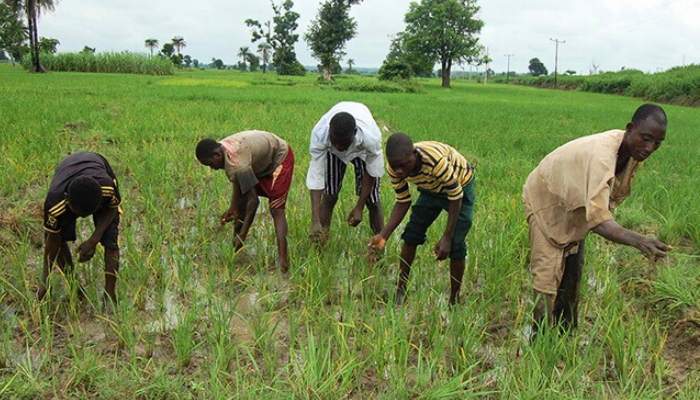
Nigeria’s growth, he notes, has been uneven—driven largely by services and industry, while agriculture, which employs the majority of the poor, continues to lag.
The World Bank reinforces this point: “Growth in the agriculture sector… has lagged services and industry, constraining the pace of poverty reduction.”
This imbalance is critical in a country where informal employment dominates and millions depend on subsistence livelihoods. Official unemployment figures mask a far broader reality of underemployment and economic vulnerability.
Growth Without Inclusion
For many Nigerians, economic growth remains abstract—visible in reports but absent in daily life.
“Growth is concentrated in certain sectors and regions,” Abdulnaseer said. “But many Nigerians, especially in rural areas, are not part of that growth.”
He also questioned the tangible impact of key policy reforms under the current administration, including fuel subsidy removal and exchange rate unification.
“These policies were meant to improve efficiency and reduce corruption,” he said. “But people are not seeing the benefits in their daily lives. There is more money, but where is the impact?”
What the Data Reveal—and Conceal
While inflation has eased to its lowest levels in years, economists warn that the damage inflicted by earlier price surges lingers.
The World Bank notes that recent declines do not erase the cumulative erosion of purchasing power experienced by households during periods of high inflation.
“Although inflation declined significantly… it remained high enough to erode purchasing power and worsen living conditions,” the report stated.
External pressures have compounded the situation. Global tensions have driven up energy and transport costs, disproportionately affecting low-income households that spend most of their income on essentials.
A Development Crisis in Motion
Nigeria’s rising poverty levels are not just an economic issue—they represent a broader development setback.
Across key global development targets, the country is falling behind:
No Poverty: With 63 per cent of the population living below the poverty line, progress towards poverty eradication remains off track.
Zero Hunger: Food insecurity persists despite easing inflation, with long-term consequences for nutrition.
Decent Work: Informality dominates the labour market, limiting job quality and income stability.
Reduced Inequality: Growth disparities across regions and sectors continue to widen.
The convergence of these trends signals a deeper systemic challenge: economic gains are not translating into improved living standards.
The Fragile Promise of Recovery
There are signs of cautious optimism. The World Bank projects that poverty could begin to decline from 2026, potentially falling to around 59 per cent by 2028.
But this outlook is conditional.
Sustained progress will depend on targeted reforms—expanding access to productive employment, investing in early childhood development, and ensuring that growth reaches rural and agricultural communities.
Without these, stabilisation risks becoming a hollow achievement.
Rethinking Policy for Local Realities
Abdulnaseer argues that policy responses must be grounded in Nigeria’s specific conditions.
“Policies must reflect Nigeria’s realities. Otherwise, they will not work,” he said, urging a shift away from one-size-fits-all economic prescriptions.
He called for greater focus on inclusive growth—policies that directly improve livelihoods rather than merely stabilise macroeconomic indicators.
The Human Bottom Line
For millions of Nigerians, the debate is not about inflation rates or fiscal reforms—it is about survival.
With an estimated 140 million people living in poverty, the gap between policy success and lived experience remains stark.
At Omeje’s stall, the contradiction plays out daily. Pots simmer, but customers do not come.
“If things continue like this,” she said, glancing at the untouched food, “I don’t even know how we go survive.”
Her words echo far beyond a roadside stall. They capture the central dilemma facing Nigeria today: how to turn economic recovery into real, tangible relief for those who need it most.
Until that bridge is built, falling inflation will remain a statistic—and rising poverty, a lived reality.



Join the conversation