National Grid Collapse Plunges Nigeria into Widespread Electricity Blackout
 Chukwu Obinna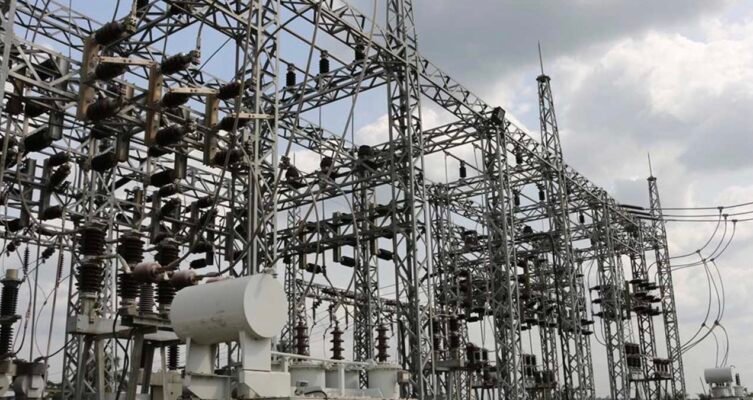
ABUJA, Nigeria – Nigeria’s fragile electricity system collapses again, plunging millions of homes and businesses into darkness after power generation drops to zero megawatts nationwide.
Data from the Nigerian Independent System Operator shows that electricity supply to the country’s 11 distribution companies crashes to 0MW on Friday, triggering a total blackout across most of the nation.
Only Ibadan Electricity Distribution Company receives a minimal allocation of about 20MW, while ten others — including Abuja, Eko, Ikeja, Benin and Port Harcourt — record complete supply failure.
The incident comes barely weeks after a partial grid collapse in December, reinforcing concerns over the reliability of Nigeria’s ageing transmission infrastructure.
Energy analysts say the repeated failures expose deep structural weaknesses that continue to undermine economic activity, public services and investor confidence.
“You cannot industrialise or attract investment with an unstable grid,” an industry expert says. “The system remains vulnerable despite years of reforms.”
Businesses reliant on electricity are forced to switch to expensive diesel-powered generators, while households endure extended outages amid rising fuel costs.
Despite the scale of the collapse, authorities have yet to issue an official explanation or timeline for restoration, fuelling public frustration.
Nigeria’s national grid has suffered multiple collapses in recent years, often attributed to transmission faults, inadequate maintenance and insufficient investment in infrastructure upgrades.
As calls for decentralisation and state-level power generation grow louder, observers warn that without urgent reform, grid failures will remain a recurring national crisis.
About the Author


 Otamere Gladness
 Koko Maxwella
 Edino Chubiyo Cornelius