
 Mirian Gom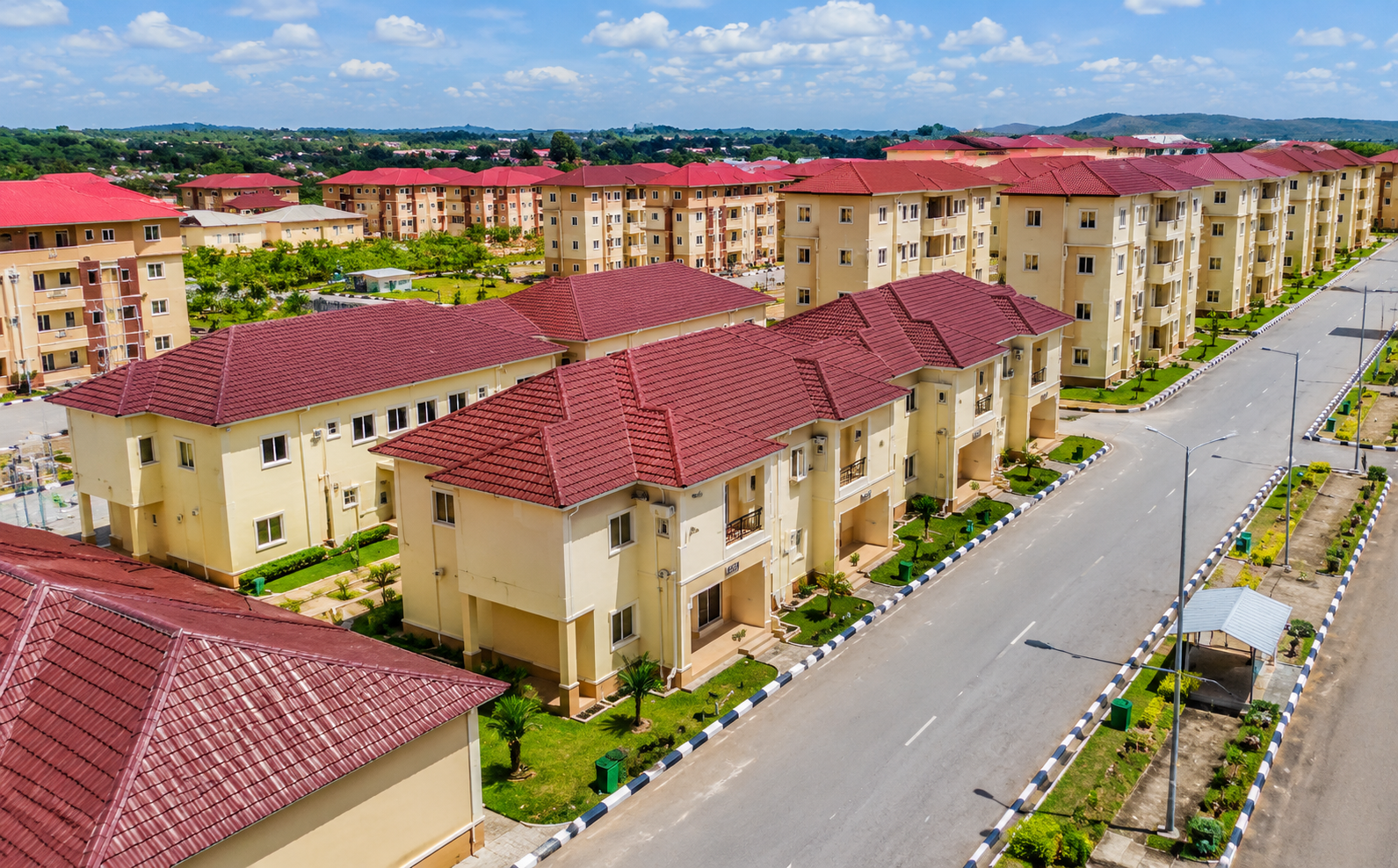
LAGOS, Nigeria – The Lagos State Government warns that Nigeria’s effective housing deficit could rise to nearly 28 million units if urgent interventions are not sustained.
Commissioner for Housing, Moruf Akinderu-Fatai, raised the concern on Tuesday during the ministerial briefing marking Governor Babajide Sanwo-Olu’s seventh year in office.
Akinderu-Fatai says findings by the National Housing Data Technical Committee place Nigeria’s official housing deficit at 14.925 million units.
He explains that an additional 15.2 million homes nationwide are classified as structurally defective or substandard, pushing the country’s effective housing shortage close to 28 million units.
The commissioner warns that the growing deficit threatens economic growth, urban development and social stability, particularly in rapidly expanding cities such as Lagos.
According to him, Lagos, with an estimated population exceeding 17.8 million and annual growth rate of nearly 3.8 per cent, remains the centre of housing demand in Nigeria.
He says rapid urbanisation, migration and limited land availability continue to worsen the housing crisis, with independent estimates putting Lagos’ housing shortage above 3.3 million units.
Akinderu-Fatai notes that low and middle-income earners remain the hardest hit by rising housing costs and affordability challenges.
The commissioner, however, says both federal and state governments are intensifying interventions through housing schemes, reforms and private sector partnerships.
He reveals that Lagos delivers 10,623 housing units in seven years and expects the figure to exceed 14,000 before the end of 2026.
About the Author


 Oluwatobi Adu
 Hope Ajayi