
 Juliet Jacob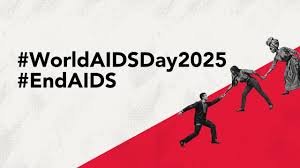
(Oluwafunbi Bello, Chukwu Obinna, Oluwatobi Adu, Koko Maxwella, Edino Chubiyo Cornelius, Otamere Gladness)
Abuja, Nigeria – Nigerians mark World AIDS Day 2025 with renewed calls to end stigma, as citizens highlight the medical progress that has transformed HIV into a manageable chronic condition and urge society to match scientific advances with compassion.
Global data released by the World Health Organization underscores the scale of the challenge. In 2024, 40.8 million people live with HIV worldwide, 1.3 million newly acquired the virus, and 630,000 people die from AIDS-related causes. Health officials say these numbers demand urgent action, not complacency.
Yet on the streets of Abuja, the atmosphere is hopeful, driven by a sense that treatment has changed the narrative — but stigma still slows progress.
“HIV is no longer a death sentence,” said Chinedu, a 25-year-old corps member at the Federal Secretariat. “With antiretroviral treatment, people can live long, healthy lives. The real problem now is the way society treats those living with the virus. Dignity, not discrimination, is what we need.”
For others, the day is both celebratory and reflective. Ngozi, 34, described World AIDS Day as “a celebration and a sober reminder. We’ve come so far, but we’ve also lost so many. Today, we stand with everyone living positively and say: you are not alone.”
Several Nigerians point to persistent myths that continue to fuel discrimination.
“Some still believe you can get HIV from sharing plates, hugging, or even mosquito bites,” said Ibrahim, 29. “Half-knowledge is dangerous. People know treatment exists, but they don’t fully understand transmission.”
Adaeze, 41, noted a gradual shift in attitudes. “Stigma has reduced a little. Some families and workplaces are more accepting now. But fear and old rumours still push people away from testing and treatment.”
Some remain frustrated by lingering misconceptions.
“I still hear people call those living with HIV ‘demons’ or claim they deserve it,” said civil servant Osa Benson Lawani. “That’s pure ignorance. Today, HIV is manageable with treatment, but cancer can still be deadly and take a life even faster.”
Others express stronger hope.
“People are kinder now. The stigma is fading,” said Agnes, a community resident. “My message to anyone newly diagnosed is simple: go to church if it helps you, take your medicines every day, and keep living.”
Blessing, 30, shared a reassuring message: “Your life is not over. With medication, support, and love, you can have a full, happy future — career, family, everything.”
Younger Nigerians stress the need for stronger education.
“We need open conversations in schools, families, and religious centres about prevention, regular testing, and protection,” said Samuel, 22. “Many youths still get information from rumours and social media.”
Officials echo these public sentiments, reaffirming Nigeria’s commitment to global targets of ending AIDS as a public health threat.
On World AIDS Day 2025, the message resonates nationwide: scientifically, HIV is controlled; socially, stigma remains the unfinished fight — and every Nigerian has a role in ending it.
About the Author

 Korede Abdullah

 Oluwafunbi Bello
 Chukwu Obinna