 Edino Chubiyo Cornelius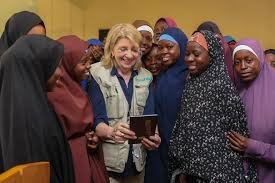
ABUJA, Nigeria – Nearly one in every two Nigerians—about 105 million children and adolescents—will determine whether Africa’s largest economy prospers or struggles in the coming decades, UNICEF Executive Director Catherine Russell says, warning that sustained investment in child health, nutrition, education and protection is critical to securing the country’s future amid mounting economic and humanitarian pressures.
Russell made the remarks on Friday as she concluded a mission to Nigeria, where she commended government efforts to improve services for children but cautioned that rising living costs, funding constraints, insecurity, displacement and climate-related shocks could reverse hard-won gains.
According to UNICEF, Nigeria’s 105 million children and adolescents account for about half of the country’s population, giving Africa’s most populous nation one of the world’s largest opportunities to transform a youthful population into a driver of economic growth, innovation and resilience.
“Everywhere I went in Nigeria, I saw the strength, ambition and potential of children and young people despite continued challenges,” Russell says. “There is no denying that many children face challenges, but I am encouraged to see the Government-led response to provide critical services for children. In Sokoto, I met mothers at a UNICEF-supported healthcare centre where children were being treated for malnutrition, helping them survive. I also met girls and boys who are getting a second chance in education through digital learning.”
The agency warns that millions of Nigerian children remain vulnerable to malnutrition, inadequate healthcare, interrupted education and the effects of conflict, poverty and climate change. It says continued investment in healthcare, nutrition, safe water, sanitation, early childhood development and child protection is essential to ensure that every child reaches his or her full potential.
About the Author

 Korede Abdullah
 Mirian Gom