
Nigerian Neurosurgeons Demand Insurance Cover for Brain Surgery, Emergency Care
 Mirian Gom
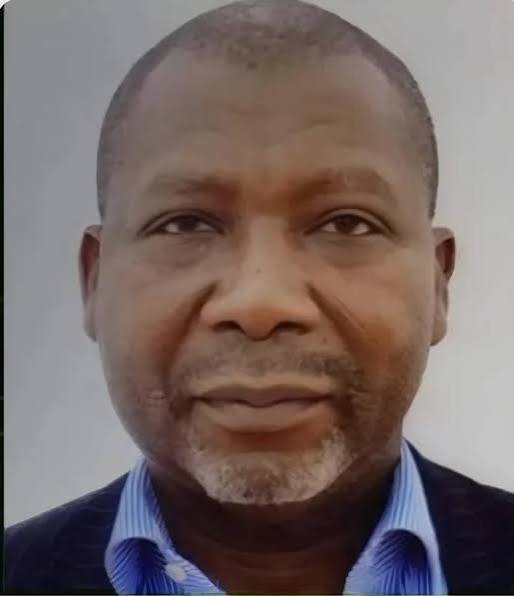
Prof. Nasiru Ismail
ABUJA, Nigeria – The Nigerian Academy of Neurological Surgeons has called for expanded health insurance coverage, increased government funding and modern medical equipment to make specialised brain and spinal surgery more accessible and affordable.
The academy’s President, Prof. Nasiru Ismail, made the appeal on Thursday at its 16th Scientific Conference and Annual General Meeting in Lagos.Ismail urged policymakers to extend insurance coverage to emergency neurotrauma, hydrocephalus, spina bifida and essential neuro-oncology procedures, warning that the high cost of treatment leaves many patients exposed to substantial out-of-pocket expenditure.
He identified brain drain, inadequate equipment, expensive treatment and the unequal distribution of specialist centres as major challenges confronting neurosurgical services in Nigeria. He also called for well-equipped neurosurgical and neuroimaging centres across the country’s six geopolitical zones, particularly in the underserved North-East. “Expanding access means ensuring that timely, life-saving neurosurgical care reaches underserved communities across every region of our nation,” he said.
The academy president further advocated improved remuneration and working conditions to retain specialists, while encouraging Nigerian neurosurgeons practising abroad to contribute through surgical missions, professional exchanges and residency training. He said the conference would examine how subspecialisation, digital health, regional collaboration and sustainable healthcare financing could improve access to quality neurosurgical care.
Ismail said the academy, established in 2006, had recorded progress in residency training, infrastructure advocacy and international partnerships. He traced the development of modern neurosurgery in Nigeria to 1962, when Prof. Latunde Odeku established the country’s first neurosurgical unit at the University College Hospital, Ibadan.
According to him, the specialty has since expanded, with more training centres and improved capabilities in procedures such as endoscopic skull-base surgery, microsurgical tumour removal and complex spinal operations. “Advancing excellence means upholding the highest clinical, ethical and academic standards while innovating within our local realities,” he said.
Also speaking, the Chairman of the Local Organising Committee, Dr Omotayo Ojo, said Nigeria had made considerable progress in neurosurgical practice. Ojo, a consultant neurosurgeon at the Lagos University Teaching Hospital, said the country had relatively few neurosurgeons 16 years ago, with available services largely concentrated on basic procedures involving infections and trauma.
He said the specialty had since developed the capacity to perform a wider range of complex procedures. Ojo said the conference was intended to promote specialisation, safer and more affordable surgical procedures, and equitable access to neurosurgical services.
About the Author


 Korede Abdullah