
 Oluwatobi Adu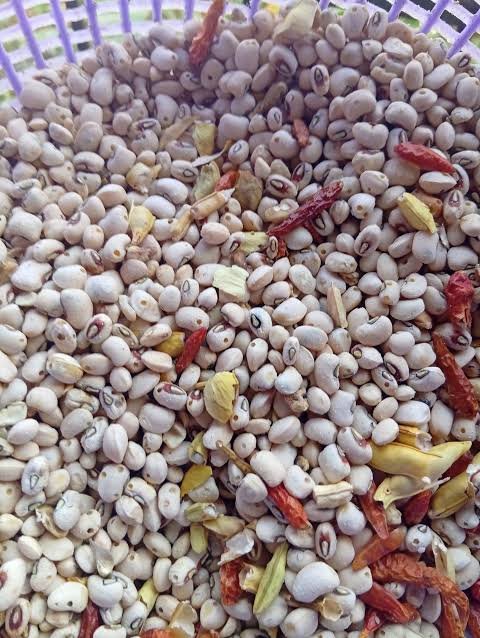
LAGOS, Nigeria – Nigeria’s food and drug regulator has raised concerns over pesticide residues exceeding permitted safety limits in some bean samples, warning that the misuse of agricultural chemicals could expose consumers to harmful substances.
The National Agency for Food and Drug Administration and Control (NAFDAC) said a market study detected residues of pyrethroids and dimethoate above applicable safety limits in some samples of beans, highlighting risks associated with improper pesticide use and the unauthorised treatment of harvested produce.
At a media briefing on pesticide use in agricultural produce in Lagos, the agency’s Director-General, Professor Mojisola Adeyeye, said NAFDAC was stepping up surveillance, enforcement and public education to remove banned, unregistered, falsified and improperly used pesticides from the Nigerian market. “NAFDAC is not against the responsible use of pesticides. Rather, the agency seeks to ensure that pesticides sold or used in Nigeria are safe, approved and compliant with regulatory requirements,” Adeyeye said.
Improper use and failure to observe prescribed waiting periods before harvesting can leave chemical residues on food, potentially exposing consumers to substances above permitted levels. “Improper pesticide use can cause serious health problems, including death. Some effects may not appear immediately but can develop gradually over time,” she said.
Some pyrethroids may be permitted for post-harvest storage under specified conditions, she said, but users must comply with approved instructions and observe the required withholding periods.
NAFDAC identified several practices that could compromise food safety, including applying pesticides above recommended quantities, using them on unapproved crops, harvesting before the prescribed pre-harvest interval and mixing products improperly.
Other risky practices include storing pesticides near food, animal feed or household items, reusing empty pesticide containers for domestic purposes and disposing of chemical residues or containers improperly. “Food safety begins on the farm,” Adeyeye said, urging farmers to buy approved pesticides from legitimate suppliers, follow label instructions and use only recommended quantities.
Adeyeye said NAFDAC seized banned agrochemicals worth more than ₦800 million in Ogun, Ondo, Osun and Oyo states in 2025.
About the Author


 Mirian Gom
 Korede Abdullah