
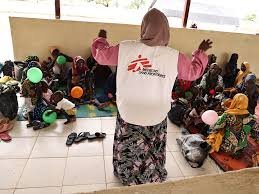
ABUJA, Nigeria – Humanitarian organisation Médecins Sans Frontières warns that deepening global funding cuts are pushing Nigeria’s fragile healthcare system closer to collapse as malnutrition, disease outbreaks and maternal health emergencies intensify nationwide.
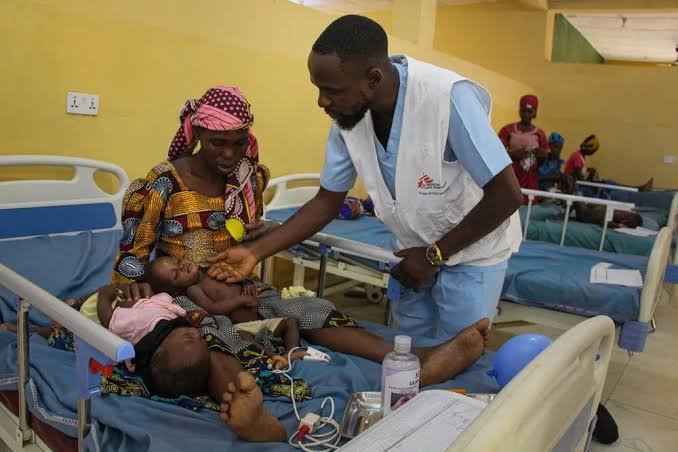
In its 2025 Country Activity Report released on Wednesday, MSF reveals that more than 440,000 children will receive treatment for malnutrition in 2025, marking the organisation’s highest malnutrition admissions in Nigeria in recent years.
According to the report, 353,989 children are treated for severe acute malnutrition through outpatient programmes, while another 90,723 children with complications are admitted into stabilisation centres.
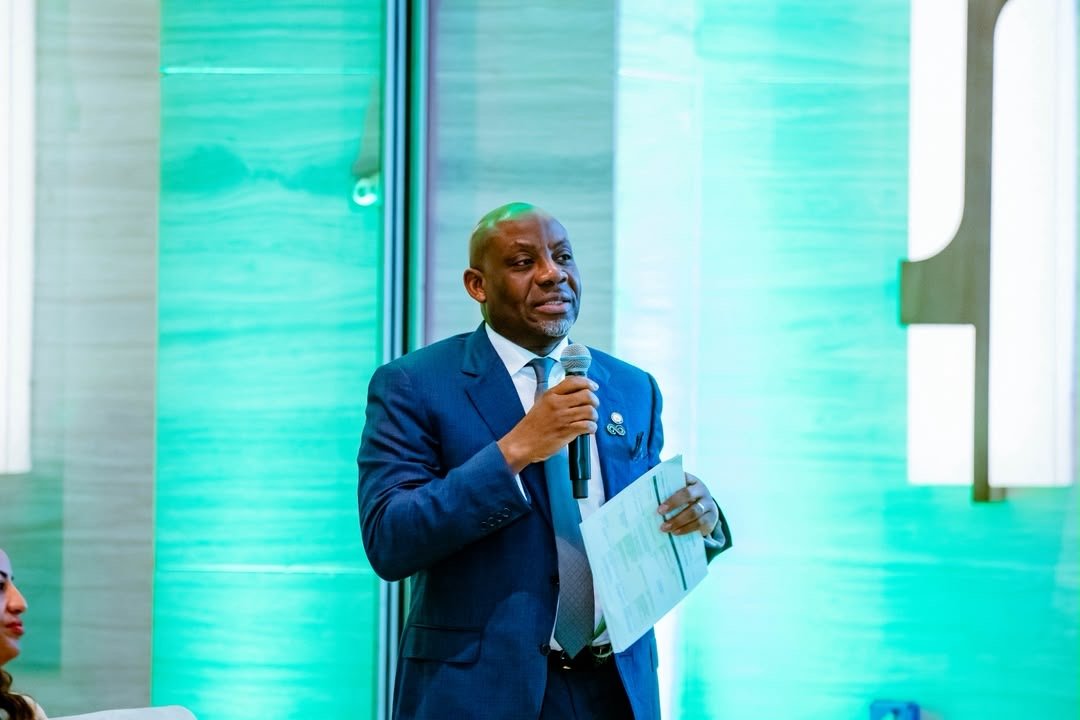
MSF Country Representative Ahmed Aldikhari describes the figures as alarming.
“The 2025 data tells a harrowing story,” Aldikhari says.
“Conflict and insecurity, displacement, inflation, flooding, drought and rising food prices continue to affect families’ ability to access food and healthcare.”
He warns that shrinking humanitarian support is placing additional strain on already overstretched medical services across vulnerable communities.
The organisation also reports treating 341,239 malaria patients, 38,753 measles cases, 6,123 diphtheria infections and 985 meningitis patients across its supported facilities.
MSF says northern Nigeria remains at the centre of the nutrition crisis due to worsening insecurity, displacement and economic hardship.
The organisation operates projects in Borno, Katsina, Kano, Sokoto and several other states while expanding operations into Kaduna.
Beyond malnutrition, MSF highlights Nigeria’s maternal health crisis, revealing that its teams assist 33,590 deliveries, conduct over 119,000 antenatal consultations and perform 224 fistula surgeries in 2025.
Aldikhari calls for urgent investment in vaccination, sanitation, maternal healthcare and primary healthcare systems.
“Timely access to emergency obstetric and newborn care can save lives,” he says.
The warning comes amid worsening inflation, food insecurity and humanitarian funding shortages affecting millions of Nigerians.
Join the conversation