
 Oluwatobi Adu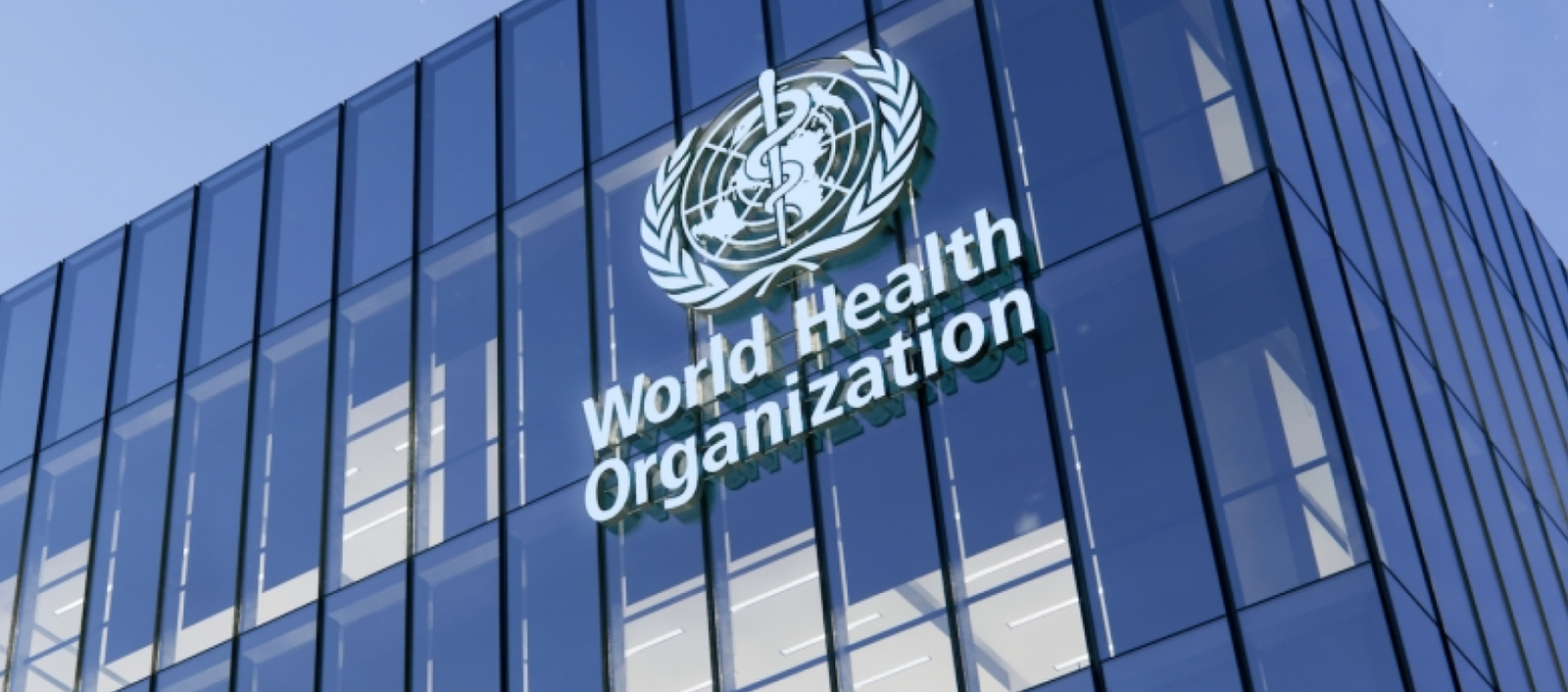
ABUJA, Nigeria – Global health leaders and radiation safety experts gather in Vienna this week to address rising challenges in medical radiation protection, as the use of imaging and radiotherapy continues to expand worldwide.
The International Conference on Radiation Protection in Medicine – X-Ray Vision, hosted by the International Atomic Energy Agency (IAEA) with support from the World Health Organization (WHO) and the Pan American Health Organization (PAHO), brings together experts to review progress and define priorities for the decade ahead.
IAEA Director-General Rafael Mariano Grossi says rapid technological innovation is changing clinical practice and exposure patterns. “New imaging technologies, radiopharmaceuticals, digital systems and AI offer enormous benefits, but they also create new challenges for regulators and health professionals,” Grossi says.
Medical radiation plays a central role in healthcare, with more than 4.2 billion medical imaging procedures and 6.2 million radiotherapy treatments carried out globally each year, according to WHO data.
This year’s conference marks ten years since the Bonn Call for Action was launched to strengthen radiation protection in medicine, focusing on justification, optimisation and education.
WHO Director a.i., Rüdiger Krech, highlights the growing role of artificial intelligence. “AI is transforming radiation protection through faster analysis and real-time monitoring, but equitable access remains our shared responsibility,” Krech says.
PAHO Senior Adviser Pablo Jiménez notes that rising demand places additional strain on health systems, especially in low- and middle-income regions. “Strong quality assurance programmes and skilled professionals are essential to maximise benefits and minimise risks,” he says.
More than 650 participants from over 120 countries attend the week-long event, which aims to shape a renewed global action plan on radiation safety.
About the Author

 Otamere Gladness
 Koko Maxwella
 Edino Chubiyo Cornelius