
Global Energy Inequality Deepens as 655m People Remain Without Electricity – UN
 Oluwatobi Adu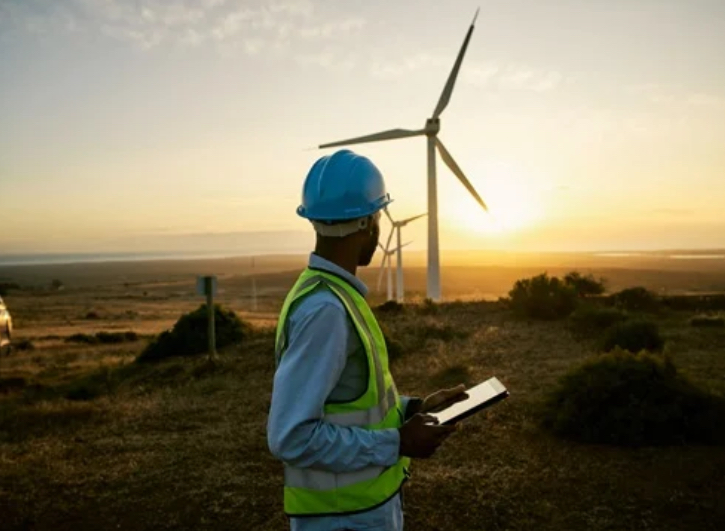
ABUJA, Nigeria – Despite significant progress in renewable energy and electricity generation worldwide, an estimated 655 million people still live without access to electricity, exposing widening global inequalities in energy access and affordability, according to a new international report.
The report, released on Wednesday by the International Energy Agency (IEA), the International Renewable Energy Agency (IRENA), the United Nations Department of Economic and Social Affairs, the World Bank and the World Health Organization, showed that Sub-Saharan Africa remains the epicentre of global energy poverty.
According to the latest Tracking SDG 7: Energy Progress Report, more than 560 million people in the region still lack electricity access, while approximately 970 million residents remain without clean cooking solutions.
The agencies warned that the current pace of electrification is insufficient to achieve universal energy access by 2030, noting that progress must accelerate nearly threefold to meet global targets.
The report identified affordability as one of the biggest barriers to energy access. Many households, particularly in low-income communities, remain unable to pay connection fees, internal wiring costs and basic energy service charges even where infrastructure exists.
Although renewable energy now contributes more than 30 per cent of global electricity generation, the report found significant disparities between wealthy and poorer nations.
Low-income countries generate only 33.6 watts of renewable energy capacity per person, compared with 1,224 watts per person in high-income economies.
The report also noted that international financial support for clean energy projects in least-developed countries declined by 11 per cent in 2024, raising concerns that energy inequality could deepen further.
WHO Director-General, Dr. Tedros Adhanom Ghebreyesus, said access to clean energy should be treated as a public health priority.
“Universal access to clean and sustainable energy is not merely an energy challenge; it is a fundamental health imperative,” he said.
About the Author

 Mirian Gom

 Korede Abdullah