
FCT Joins Maternal Mortality Fight as Task Force Targets Delays, Transport Barriers
 Mirian Gom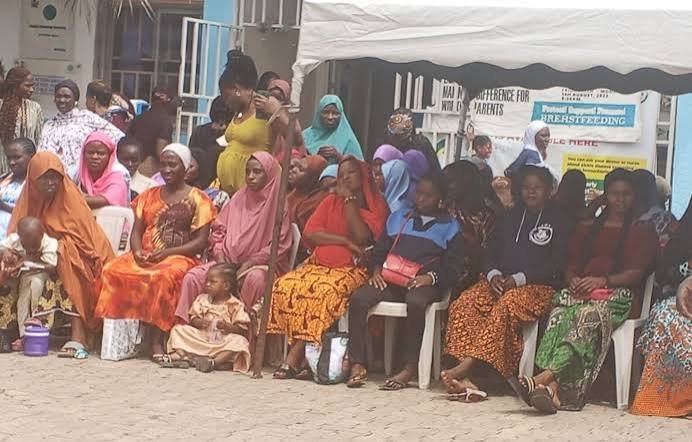
ABUJA, Nigeria – The Federal Capital Territory Administration has launched a task force to coordinate efforts to reduce maternal and newborn deaths, with officials identifying delays in accessing care, transportation challenges and socio-cultural barriers as major concerns.
The FCT Mandate Secretary, Dr Dolapo Fasawe, said on Friday in Abuja that the task force would remain operational as long as women continued to give birth in the territory.
Fasawe said the task force would oversee interventions involving pregnant women, health facilities, communities, traditional leaders and transport workers involved in the emergency movement of women requiring urgent medical care.
She charged members to use the MAMII document to develop work plans and hold government officials and the national coordinator accountable for implementing agreed interventions across the territory.
According to her, MAMII and its partners remain committed to supporting the FCT in reducing maternal deaths through sustained interventions.
The Executive Secretary of the FCT Primary Health Care Development Board, Dr Dan Gadanma, said the activation followed Fasawe’s commitment to prioritising the welfare of women and children.
He said the activation workshop brought together communities and individuals with experience of maternal health challenges to identify practical interventions for implementation.
The National Coordinator of MAMII, Dr Dayo Adeyanju, said the FCT had become the 34th state to join the initiative.
According to Adeyanju, MAMII has been activated in states accounting for about 65 per cent of Nigeria’s maternal mortality burden, with the Federal Government supporting implementation.
He said the initiative had helped participating states identify drivers of maternal and newborn deaths, develop response plans and establish task forces to coordinate interventions.
Adeyanju said the interventions had contributed to a 17 per cent reduction in maternal mortality in less than two years.
Field assessments in the FCT, he added, identified delays in accessing care, socio-cultural barriers, transportation difficulties, financial constraints and inadequate awareness as key factors contributing to maternal health challenges.
About the Author


 Hope Ajayi


 Korede Abdullah