


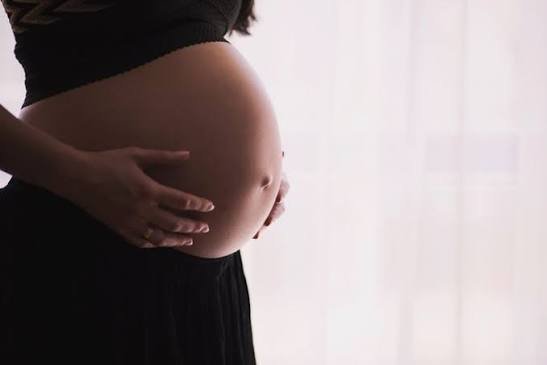
ABUJA, Nigeria — Extreme heat is emerging as a potentially fatal threat to pregnant women, newborns and maternal healthcare systems as climate change intensifies, United Nations Climate Change Executive Secretary Simon Stiell has warned.
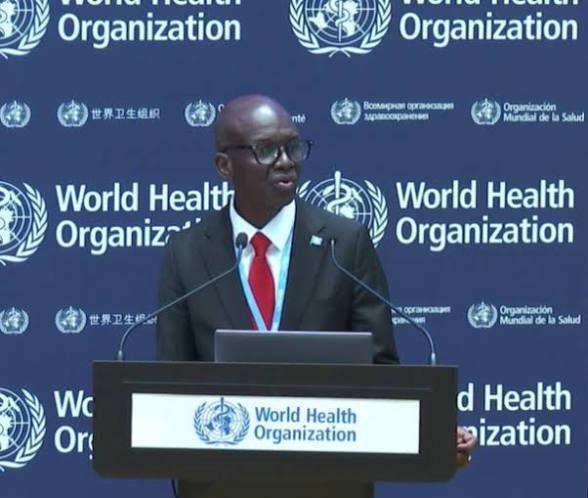
Stiell raised the concern on Monday at the Birthright event in Suva, Fiji. He said rising temperatures were increasingly linked to pregnancy complications, premature births, stillbirths and low birth weight. “The picture is clear and very disturbing: as extreme heat worsens, pregnancy and birth are now a new fault line in the global climate crisis, and one which is potentially fatal,” he said.
His warning followed a new survey commissioned by Wellcome that involved maternal health professionals across five countries on five continents.
According to findings cited by Stiell, 73 per cent of healthcare professionals said heat-related cases or complications had increased over the past five years. The survey also found that 81 per cent of respondents were concerned or very concerned that extreme heat would increasingly threaten maternal, fetal and newborn health without stronger action.
Nearly all respondents, 98 per cent, said they had treated a pregnant woman whose health they believed had been affected by extreme heat. Another 99 per cent reported caring for a baby affected by extreme heat.
Stiell said the findings represented real risks for mothers, newborns, families and healthcare workers. He said the risks were particularly serious in communities without reliable water, electricity, cooling systems and access to healthcare. “Staying cool” is simply not an option when there is no cool place to go,” he said.
“Harm that is not counted is too easily ignored,” he said. “A changing climate must never be accepted as a reason pregnancy and birth become less safe,” he said. “A newborn’s healthy start must never depend on a family’s ability to escape the heat.”



Join the conversation