Extreme Heat Threatens Health, Farming Across Northern Nigeria – Expert Warns
 Koko Maxwella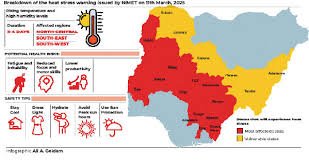
ABUJA, Nigeria – Rising temperatures across Nigeria could pose serious threats to public health, agriculture and vulnerable communities, a climate expert warns.
Akinmayowa Shobo raised the concern on Monday while discussing projections from the Nigerian Meteorological Agency in its 2026 Seasonal Climate Prediction.
According to the forecast, several northern states may experience extreme daytime temperatures between 37°C and 43°C during March and April, a level experts say could worsen climate-related risks across the region.
States likely to experience the heat surge include Borno State, Yobe State, Adamawa State, Jigawa State and Sokoto State.
“Extreme heat can cause heat stress in humans and livestock and reduce crop productivity,” Shobo says.
He warns that the rising temperatures may increase health complications, particularly among outdoor workers and people living in rural areas where access to cooling infrastructure is limited.
Shobo says farmers could also face declining harvests as excessive heat damages crops and reduces soil moisture.
Agriculture remains a critical sector in Nigeria’s economy, employing millions of people and supporting food security across the country.
Public health experts say prolonged heat exposure can trigger dehydration, heat exhaustion and other medical emergencies.
The climate specialist adds that certain groups are particularly vulnerable.
“Outdoor labourers, the elderly, children and pregnant women are among those most at risk,” he says.
Shobo urges authorities to strengthen climate adaptation strategies and improve early warning systems to protect communities from extreme weather events.
He also calls for greater public awareness to help citizens recognise heat-related dangers and adopt preventive measures.
Climate scientists say extreme weather patterns linked to global warming are becoming increasingly frequent across West Africa.
About the Author


 Oluwafunbi Bello

 Hussaini Ibrahim