
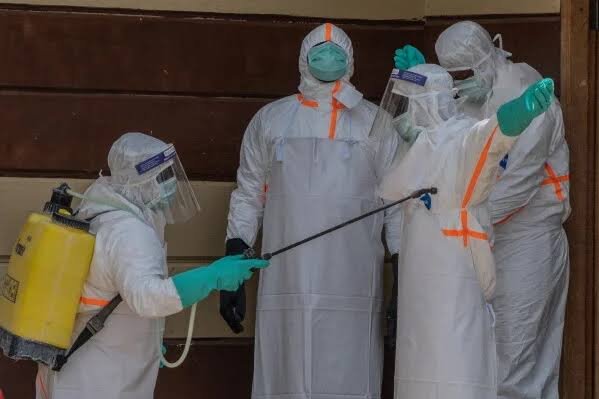
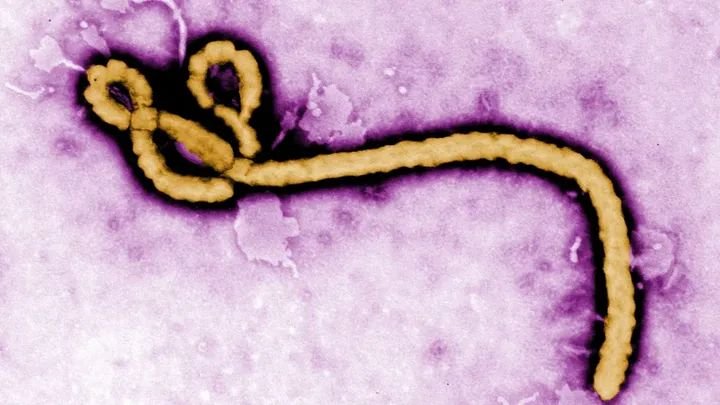
DR Congo – The Democratic Republic of the Congo (DRC) is recording between 50 and 80 new confirmed Ebola cases daily, with the outbreak reportedly approaching 10,000 cases and 5,000 deaths, the World Health Organisation (WHO) has warned.
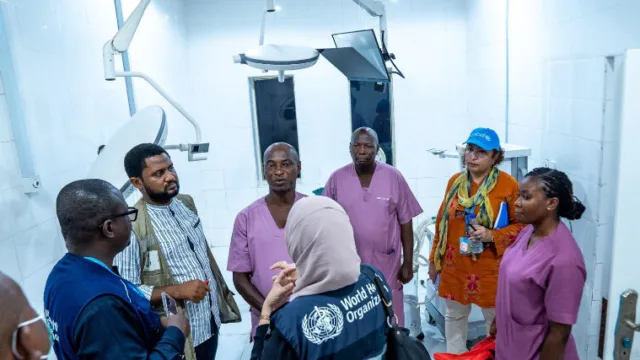
Executive Director of the WHO Health Emergencies Programme, Chikwe Ihekweazu, described the situation as severe in an interview with ARISE News on Wednesday. “Unfortunately, we’re now at 10,000 cases and close to 5,000 deaths,” he said. “We’re reporting 50 to 80 new confirmed cases every single day. So, the situation is still very dire. This is a large part of the country, the east of the country.”
Ihekweazu said the outbreak had affected eight provinces, describing the geographical spread as comparable to eight states in Nigeria. He added that the outbreak had continued for six months.
The outbreak was declared on 15 May 2026 after the virus was believed to have circulated for several weeks. Eastern and north-eastern areas, including Ituri and North Kivu, have been affected. Insecurity and weaknesses in health infrastructure have complicated efforts to contain transmission and reach affected communities.
Ebola deaths raise concerns over delayed treatment
The current outbreak is the DRC’s 17th. Its reported death toll is approaching that of the 2018–2020 outbreak, which killed nearly 2,300 people among approximately 3,500 recorded cases.
Figures published by Congolese health authorities in August put the current outbreak’s case fatality rate at 45.9 per cent. Health Minister Samuel Roger Kamba warned at the time that the outbreak had not yet peaked.
WHO Regional Director for Africa Mohamed Janabi also raised concerns about infected people dying at home before health workers could reach them. “We are only seeing 30 percent (of infected people), while 70 percent of people are dying at home. This is why this Ebola is different,” he said.
The reported figures highlight the challenges facing health workers in identifying cases, reaching affected communities and providing timely care. However, the latest case totals, daily infection estimates and reported deaths require verification against an updated situation report from the DRC’s Ministry of Public Health and the WHO.
Vaccine gaps complicate Ebola response
Vaccine availability has emerged as another challenge because the outbreak involves the Bundibugyo virus species, for which a specifically approved vaccine has not been available.
WHO vaccine experts had recommended a full-scale human trial to assess whether Ervebo, a vaccine approved against the Zaire ebolavirus species, could provide protection against the Bundibugyo strain.
However, protection against one Ebola virus species cannot automatically be assumed to extend to another. Vaccine decisions therefore depend on available scientific evidence, expert recommendations and the circumstances of the outbreak.
Health authorities face the combined challenge of limiting transmission, reaching patients in insecure areas and establishing effective prevention and treatment measures as infections continue to be reported.


Join the conversation