


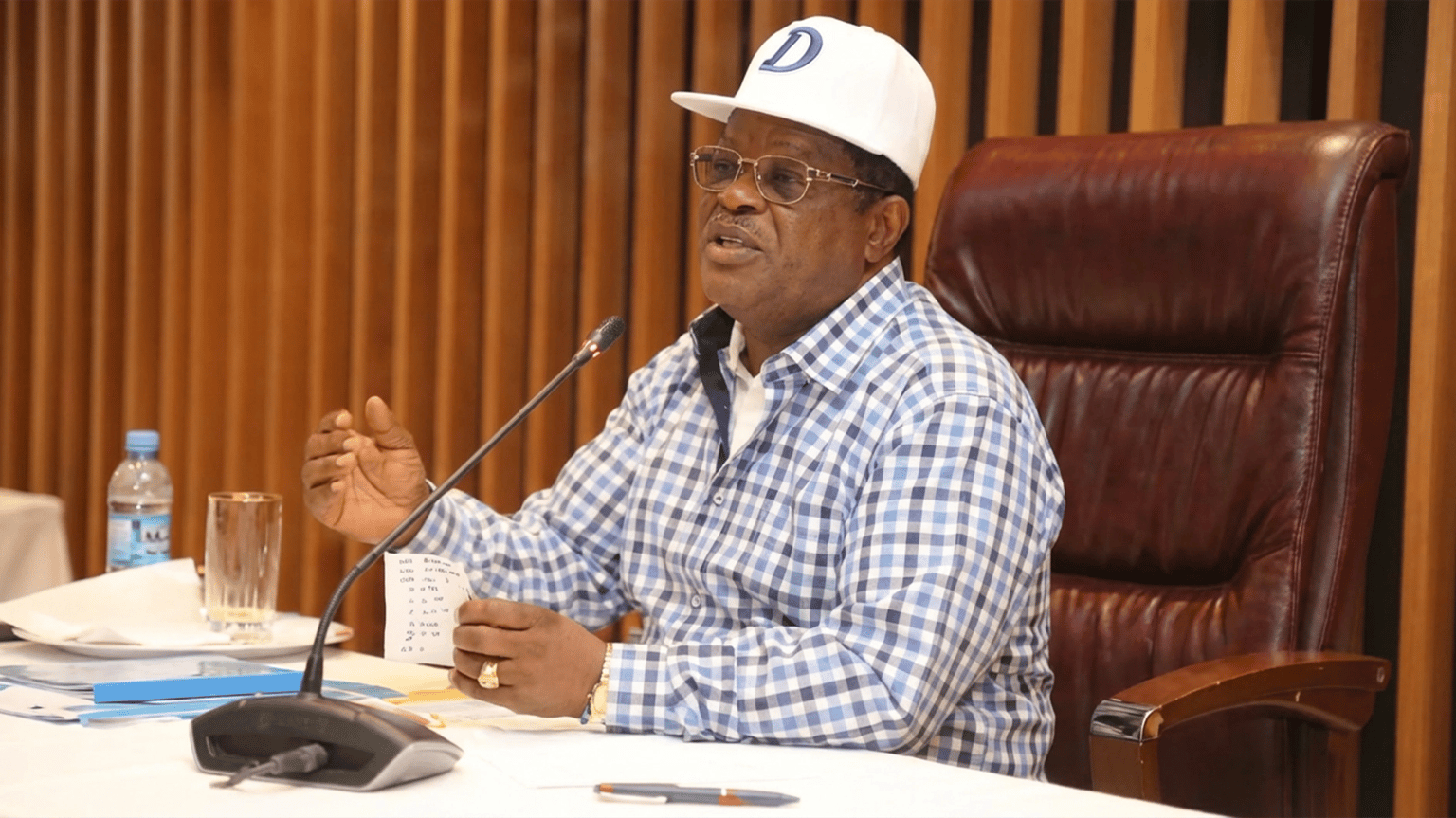
ABUJA, Nigeria – The Federal Government has launched a technical assessment of flood-prone sections of the Benin-Sagamu Expressway, with engineers considering major drainage upgrades to protect one of Nigeria’s busiest highways from increasingly severe flooding linked to climate change.
Speaking during the inspection on Monday, the Minister of Works, Dave Umahi, represented by the Federal Controller of Works in Ondo State, Engr. Olajide Hussein, said the exercise is aimed at identifying the causes of persistent flooding and developing long-term engineering solutions.
“The recent intense precipitation across the country has caused widespread flooding in various communities and along major road corridors, a phenomenon widely attributed to ongoing climate change impacts,” Umahi said.
He explained that engineers are conducting hydraulic assessments of the existing drainage infrastructure to determine whether culverts and drainage channels can cope with the growing volume of stormwater generated by increasingly intense rainfall.
“We are currently tracing the sources of the overflow to implement proactive solutions, including the potential resizing of cross-culverts and desilting blocked channels,” he said.
Umahi said the intervention forms part of broader efforts to strengthen the resilience of Nigeria’s federal road network against the growing effects of extreme weather events.
He noted that the ministry’s response extends beyond repairing flood damage and focuses on preventing future disruptions through improved engineering designs and climate-resilient infrastructure.
“In light of increasing climate change impacts, all necessary technical steps are being taken swiftly to enhance drainage capacity, mitigate the impact of unprecedented storm runoff and ensure safe, uninterrupted passage along this highway,” the minister added.
Umahi sympathised with residents and motorists affected by the flooding and assured Nigerians that the Federal Government remains committed to safeguarding road users through sustainable infrastructure improvements.



Join the conversation