
 Otamere Gladness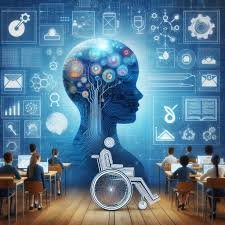
ABUJA, Nigeria – The Joint Admissions and Matriculation Board (JAMB) has announced that more than 4,000 candidates with disabilities have secured admission into Nigerian tertiary institutions over the past decade, as stakeholders explore how artificial intelligence in inclusive education can further improve access to higher education.
The milestone is highlighted on Wednesday during the 2026 JAMB National Stakeholder Engagement on Inclusivity and Higher Education at the National Universities Commission (NUC) headquarters in Abuja, where education leaders also celebrate the contributions of outgoing JAMB Registrar, Professor Is-haq Oloyede.
Presenting a decade-long review of the Joint Admissions and Matriculation Board Equal Opportunity Group (JEOG), Chairman Emeritus Professor Peter Okebukola says 4,216 candidates with disabilities have participated in the programme since its inception.
“In the last 10 years, we have had 4,216 candidates with different categories of disabilities participate in the programme. On the average, about 53 per cent of them gain admission every year,” Okebukola says.
He attributes the achievement to JAMB’s commitment to equal opportunities without compromising academic standards.
“We do not lower standards for them. They answer the same questions as every other candidate. I am continually amazed by how excellently they perform.”
According to him, many beneficiaries have excelled in highly competitive programmes, including Law, Medicine and other professional courses, demonstrating that disability is not a barrier to academic excellence when adequate support is provided.
Looking ahead, stakeholders identify artificial intelligence in inclusive education as the next frontier for improving accessibility for candidates with disabilities.
Okebukola says experts are evaluating how AI-powered technologies can make examinations, learning resources and admissions processes more inclusive while maintaining fairness and integrity.
“We are examining how AI can improve the efficiency of inclusivity in higher education.”
About the Author

 Mirian Gom
 Korede Abdullah
 Oluwatobi Adu