
 Oluwatobi Adu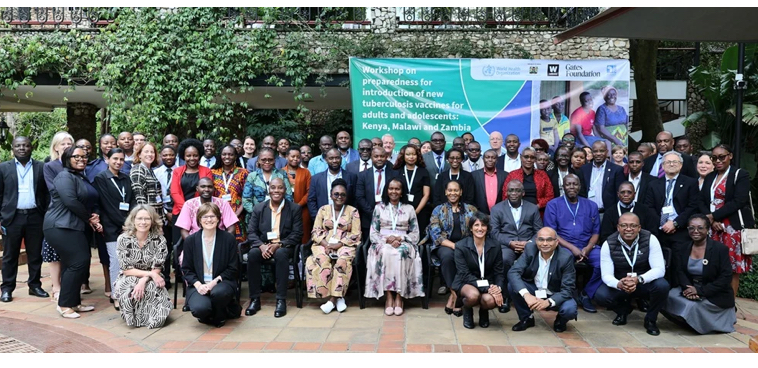
ABUJA, Nigeria – African countries are accelerating preparations for the future rollout of new tuberculosis vaccines as health officials move to strengthen systems ahead of expected regulatory approval later this decade.
The World Health Organization said health officials from Kenya, Malawi and Zambia met in Nairobi earlier this month to develop strategies for introducing vaccines targeting adults and adolescents.
The meeting, held from June 3 to June 5, brought together more than 80 participants, including tuberculosis survivors, civil society groups, regulatory agencies, development partners and health experts.
According to the WHO, the first new tuberculosis vaccines could receive approval by 2029 if ongoing clinical trials prove successful.
Health experts describe the vaccines as a potential breakthrough in the global fight against one of the world’s deadliest infectious diseases.
WHO estimates that a vaccine with 50 per cent effectiveness could prevent up to 76 million new tuberculosis infections over 25 years.
The organisation also projects that such vaccines could avert 8.5 million deaths and save affected households approximately $6.5 billion in treatment-related costs.
“Tuberculosis remains a significant challenge in Africa, causing approximately 2.5 million people falling ill and over 400,000 deaths each year,” said WHO Representative to Kenya, Dr Neema Rusibamayila Kimambo.
“Kenya is proud to participate in late-stage clinical trials for new TB vaccines for adults and adolescents and will be one of the first countries to implement in the region.”
Participants discussed vaccine policies, delivery systems, financing and collaboration between tuberculosis and immunisation programmes.
The workshop concluded with participating countries agreeing to develop country-specific implementation roadmaps.
Officials also pledged to mobilise political and financial support to ensure rapid vaccine deployment once approvals are granted.
The WHO said early planning could significantly improve vaccine access and save millions of lives.
Tuberculosis remains one of Africa’s leading infectious killers, particularly among poor and vulnerable communities.
About the Author


 Hope Ajayi

 Mirian Gom
 Korede Abdullah