
 Oluwatobi Adu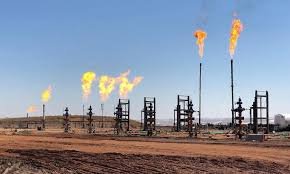
ABUJA, Nigeria – Global gas flaring increased for the third consecutive year in 2025, with Nigeria remaining among the world’s leading gas-flaring countries despite growing energy shortages and rising demand for affordable electricity, according to a new World Bank report.
The annual Global Gas Flaring Tracker revealed on Tuesday that 167 billion cubic metres of gas were flared globally last year.
The World Bank estimated the wasted gas to be worth approximately $54 billion.
According to the report, the volume of gas burned worldwide is nearly equivalent to Africa’s annual gas consumption, highlighting major energy losses.
Nigeria was listed among nine countries responsible for more than 80 per cent of global gas flaring.
The other countries include Russia, Iran, Iraq, Venezuela, Mexico, Libya, Algeria and the United States.
Together, these nations account for nearly half of global oil production.
World Bank Group Global Director for Energy, Demetrios Papathanasiou, warned that continued gas flaring carries severe economic consequences.
“At a time when many countries are struggling to increase affordable and reliable energy, the economic development costs of continued flaring are simply too high,” he said.
“The gas currently flared could be captured to power industries and businesses, create jobs, and strengthen energy security.”
The World Bank said many countries facing electricity shortages continue to import expensive gas while simultaneously flaring associated gas from oil production.
The institution estimated that eliminating routine gas flaring worldwide would require investments of between $70 billion and $100 billion.
According to the report, this amount is less than twice the annual value of gas currently wasted through flaring.
World Bank Global Flaring and Methane Reduction Partnership Manager Zubin Bamji said the technologies and policies needed to reduce gas flaring already exist.
However, he identified weak regulations, inadequate infrastructure and limited political commitment as major obstacles.
About the Author


 Hope Ajayi

 Mirian Gom
 Korede Abdullah