


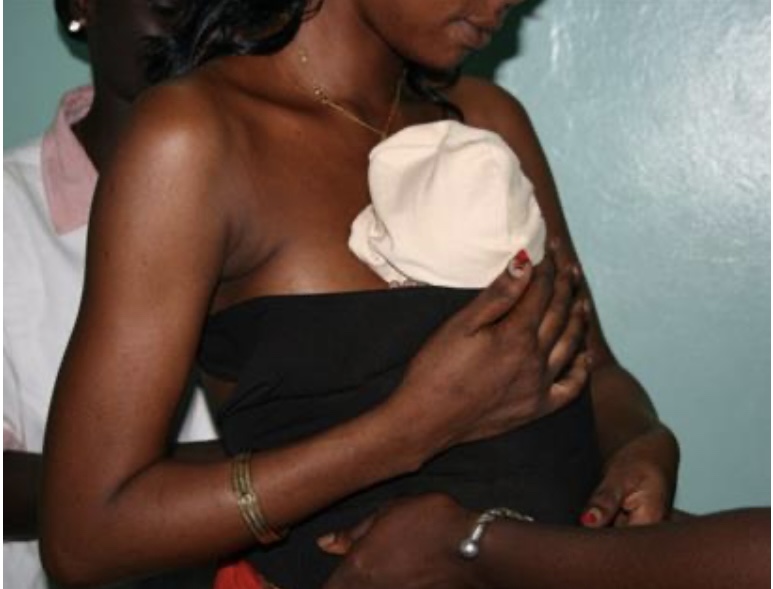
ABUJA, Nigeria – The World Health Organization has called on countries to urgently expand newborn screening programmes, warning that millions of babies continue to die or suffer lifelong disabilities from conditions that could be detected and treated shortly after birth.
The appeal follows WHO report on Tuesday, Strengthening Capacity for Newborn Screening, Diagnosis and Management of Birth Defects, which highlights the growing burden of congenital conditions on child survival worldwide.
According to the report, about eight million babies are born with birth defects each year, while congenital conditions now account for nearly eight per cent of deaths among children under five globally.
WHO said the greatest challenge lies not only in treatment but also in the failure to diagnose conditions early, particularly in low- and middle-income countries where access to newborn screening remains limited.
WHO Director-General Dr Tedros Adhanom Ghebreyesus said early detection could save lives and prevent disabilities.
“No child should miss the chance for a healthy future because a congenital condition was not detected early enough. Around the world, countries are showing that newborn screening for one or more conditions can save lives, prevent disability, and give a newborn the best opportunity to fulfil her or his potential,” he said.
The report showed that birth defects are becoming a larger contributor to child mortality as deaths from infectious diseases continue to decline.
In sub-Saharan Africa, deaths linked to birth defects among children under five increased from one per cent in 2000 to four per cent in 2023.
South Asia recorded an even sharper increase, rising from three per cent to 11 per cent during the same period.
The WHO highlighted examples from India, Uganda, Brazil and Egypt, where integrating newborn screening into routine healthcare services has improved survival rates and treatment outcomes.



Join the conversation