


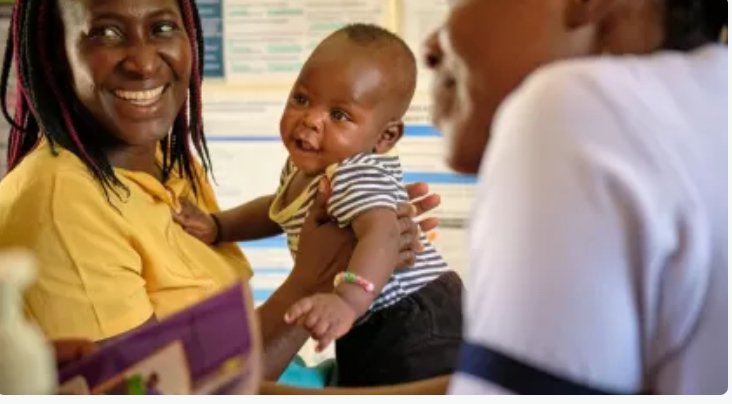
ADDIS ABABA, Ethiopia – African health ministers have endorsed a new regional strategy aimed at improving early childhood development across the continent, marking a significant step toward strengthening children’s health, learning and overall wellbeing from birth.
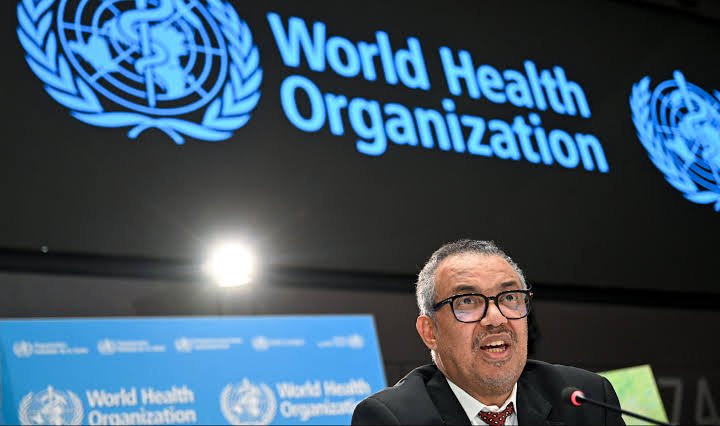
The strategy was adopted on Wednesday during the 76th Session of the World Health Organization (WHO) Regional Committee for Africa, held in Addis Ababa.
The Regional Strategy on Advancing Early Childhood Development Outcomes in the WHO African Region (2026–2032) seeks to ensure children receive comprehensive support from pregnancy through their formative years.
WHO estimates that up to two-thirds of children in sub-Saharan Africa risk not reaching their full developmental potential because of poverty, malnutrition, poor healthcare and limited early learning opportunities.
The strategy emphasises that improving child development requires collaboration beyond the health sector.
It calls for stronger partnerships involving education, nutrition, finance, water and sanitation, and social protection agencies to deliver integrated services for children and families.
WHO Regional Director for Africa, Dr. Mohamed Yakub Janabi, said investing in children during their earliest years is fundamental to the continent’s future.
“Every child born in Africa carries the promise of our future. By supporting children from the earliest years of life, countries are building stronger families, healthier communities and a more prosperous continent,” he said.
WHO added that investments in early childhood development generate long-term returns through improved education, better health outcomes and higher economic productivity.
The organisation pledged continued technical support, policy guidance and capacity building to help African countries implement the strategy successfully.




Join the conversation