Oluwatobi Adu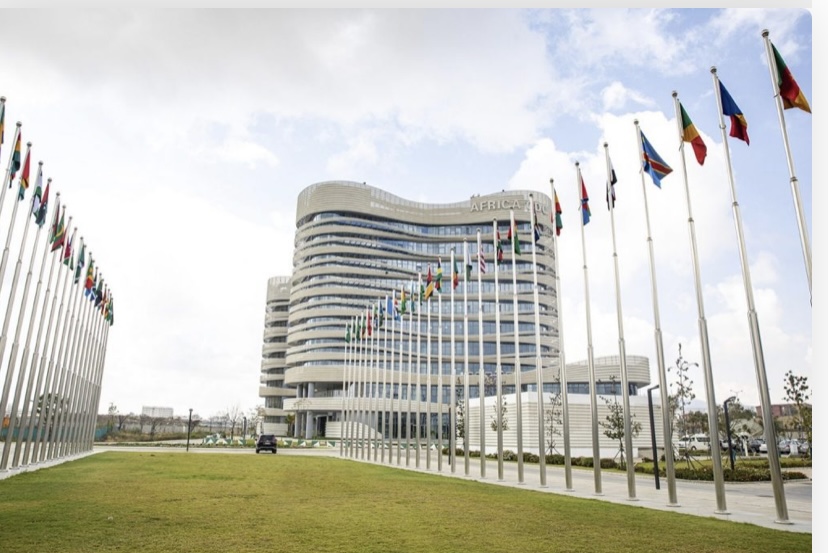
ADDIS ABABA, Ethiopia – The Africa Centres for Disease Control and Prevention (Africa CDC) and the International Organization for Migration (IOM) have launched a three-year partnership to strengthen cross-border health security, enhance disease surveillance and improve access to healthcare for migrants, displaced people and border communities across Africa.
The agreement, which runs from 2026 to 2028, is designed to help African Union member states detect public health threats earlier, coordinate emergency responses more effectively and build more resilient health systems as disease outbreaks, climate-related health risks and population movements reshape the continent’s public health landscape.
Announced in a joint statement on Wednesday, the partnership focuses on strengthening emergency preparedness, expanding disease surveillance, reinforcing health measures at Points of Entry and improving early warning systems across borders.
The framework also seeks to increase access to primary healthcare, immunisation and disease prevention services for migrants and displaced populations while supporting the training, deployment and rapid response capacity of Africa’s public health workforce.
Dr Jean Kaseya, Director-General of Africa CDC, says the partnership will reinforce Africa’s collective response to emerging health threats.
“This partnership strengthens our collective ability to anticipate risks, coordinate action and support Member States with stronger surveillance, preparedness and emergency response. It advances Africa’s Health Security and Sovereignty Agenda through practical cooperation that protects lives and strengthens public health systems across the continent.”
Africa CDC and IOM say the agreement builds on collaboration established during the COVID-19 pandemic and expands cooperation into climate and One Health, governance, workforce development, policy reforms and sustainable financing for future health emergencies.
Joint technical working groups will oversee implementation and support countries in integrating migration and displacement-related health challenges into national preparedness strategies.
Regional Director for East, Horn and Southern Africa at IOM, Frantz Celestin, says resilient public health systems must protect people regardless of where they live or move.
He adds that the partnership will strengthen countries’ preparedness for health emergencies, improve cross-border collaboration and expand access to essential healthcare services for migrants, displaced populations and border communities.
About the Author

 Mirian Gom
 Korede Abdullah