NCDC Activates Emergency Surveillance as Ebola Threat Looms Near Nigeria
 Mirian Gom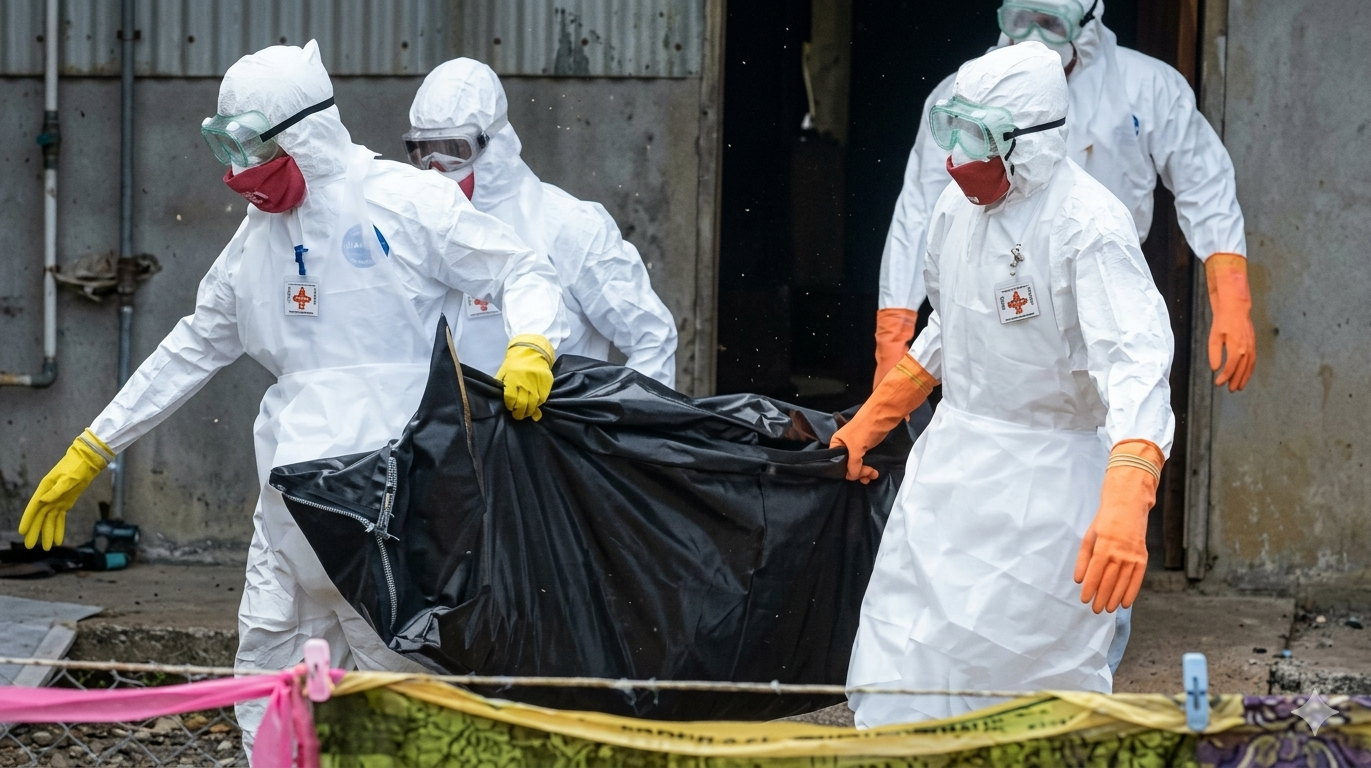
ABUJA, Nigeria – The Nigeria Centre for Disease Control and Prevention has intensified nationwide surveillance and emergency preparedness measures following the Ebola outbreak in the Democratic Republic of the Congo and a confirmed imported case linked to the outbreak in Uganda.
Director-General of the NCDC, Jide Idris, however, assured Nigerians that no confirmed case of Ebola Virus Disease currently exists in the country.
“Nigeria currently has no confirmed case of Ebola Virus Disease,” Idris said in a public health advisory issued on Sunday.
The alert comes amid growing regional concerns over possible cross-border transmission as health authorities in affected countries intensify efforts to contain the deadly virus.
According to Idris, emergency response activities in affected countries include enhanced surveillance, laboratory testing, infection prevention measures, contact tracing, case management and public risk communication.
“NCDC is closely monitoring the situation and working with relevant stakeholders, including the Port Health Services, to ensure continued vigilance and preparedness within the public health system,” he stated.
The agency said it had strengthened collaboration with the Federal Ministry of Health and Social Welfare to boost preparedness at entry points and health facilities nationwide.
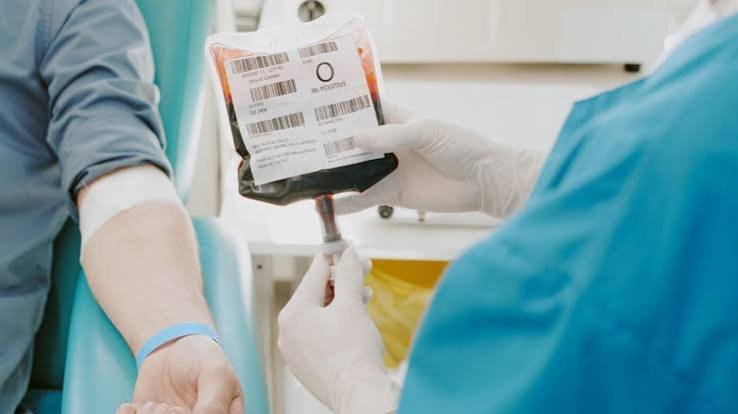
Idris described Ebola as a severe viral disease transmitted through direct contact with infected blood, bodily fluids and contaminated materials.
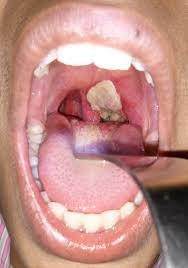
He explained that symptoms include fever, headache, weakness, muscle pain, vomiting, diarrhoea and, in severe cases, unexplained bleeding.
The NCDC urged Nigerians to remain calm and avoid spreading false information about the outbreak.
“Members of the public should remain calm and avoid spreading misinformation,” Idris said.
The agency advised citizens to maintain regular hand hygiene, avoid contact with bodily fluids, stay away from dead animals or unsafe bushmeat, and immediately report unusual illnesses to health authorities.
Healthcare workers were also urged to maintain strict infection prevention practices, including early isolation of suspected cases and proper use of personal protective equipment.
Nigeria gained global recognition in 2014 for rapidly containing an Ebola outbreak after an infected traveler arrived in Lagos from Liberia, leading to major investments in emergency disease surveillance and epidemic response systems.
About the Author