HEDA Launches Nationwide Flood Alert Campaign Ahead of Heavy Rainfall
 Oluwafunbi Bello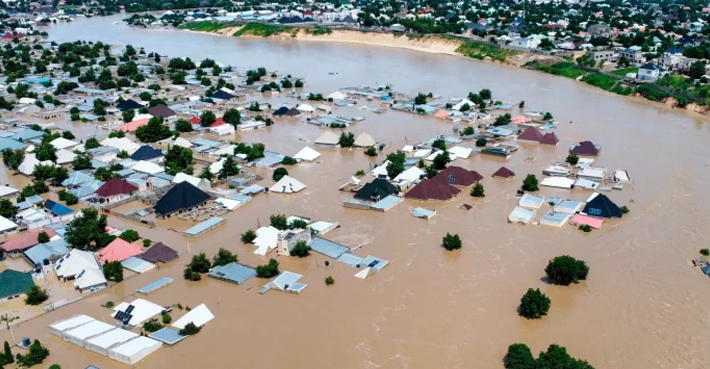
LAGOS, Nigeria – Human and Environmental Development Agenda Resource Centre, (HEDA) has unveiled a nationwide flood preparedness campaign aimed at helping vulnerable communities understand flood risks and respond effectively before peak rainfall intensifies across Nigeria.
The sensitisation programme, organised in partnership with the Nigeria Hydrological Services Agency, is scheduled to hold virtually on May 19 and May 20.
The initiative comes amid growing fears of severe flooding during the 2026 rainy season, which experts warn could threaten farmlands, homes, transport networks and food security across several states.
According to a Sunday statement issued in Lagos by HEDA Executive Secretary, Sulaimon Arigbabu, the programme will simplify the 2026 Annual Flood Outlook and provide practical guidance for communities likely to be affected.
“Every year, flood predictions are released, but many communities still do not receive the information in ways they can understand or act upon,” Arigbabu said.
“This programme is about ensuring that farmers, local institutions and communities are better prepared ahead of the peak rainfall period.”
The campaign is expected to bring together farmers, journalists, humanitarian organisations, traditional leaders and government officials from Nigeria’s six geopolitical zones.
Arigbabu warned that annual flooding continues to devastate agriculture, livestock, fisheries and transportation routes, worsening economic hardship and food insecurity.
“We must ensure that flood forecasts do not remain only in technical reports. Communities need practical information they can use to protect lives and livelihoods before disasters occur,” he added.
The organisation also stressed the importance of effective media communication in disaster preparedness.
According to HEDA, sensitisation sessions will be conducted in Hausa, Yoruba, Igbo, Pidgin and English to ensure wider public understanding and participation.
The programme forms part of broader efforts to improve early warning systems and strengthen climate resilience in flood-prone communities nationwide.
About the Author

 Oluwatobi Adu
 Korede Abdullah