Oluwatobi Adu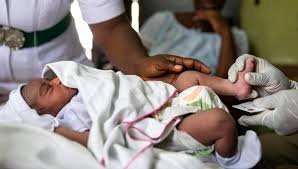
ABUJA, Nigeria – Nigeria’s persistently high under-five deaths linked to sickle cell disease stem largely from the absence of early screening and standardised care, leading health experts warn.
The Director of the National Centre of Excellence for Sickle Cell Disease Research and Training, Prof Obiageli Nnodu, on Thursday says many children with sickle cell disease (SCD) die before adulthood because diagnosis comes too late.
“Early screening and continuous care significantly reduce under-five mortality,” Nnodu says. “SCD appears less prevalent among adults because many affected children die early due to lack of screening and standardised care.”
She speaks at the Nigeria Inherited Blood Disorders Leadership Forum organised by the Nigeria Society for Haematology and Blood Transfusion.
Nnodu explains that Nigeria still relies on estimates to track SCD because universal newborn screening is yet to be implemented nationwide.
“Without newborn screening, epidemiologic data rely on estimates instead of population-based incidence,” she says.
Consultant haematologist Prof Nora Akinola says prevention must take precedence over costly curative care, noting that many families cannot afford lifelong treatment.
“Nigeria is not prepared for widespread newborn screening, but low-cost point-of-care tools validated by local haematologists offer a solution,” she says.
Senior consultant Dr Christiana Udo of the National Hospital Abuja adds that early diagnosis reduces complications and improves quality of life.
From a financing perspective, Dr Oche Otalu of the National Health Insurance Authority urges integration of SCD services into primary healthcare and insurance benefit packages.
Experts agree that without early detection, thousands of Nigerian children will continue to die from a preventable genetic condition.
About the Author



 Hope Ajayi
 Mirian Gom