 Korede Abdullah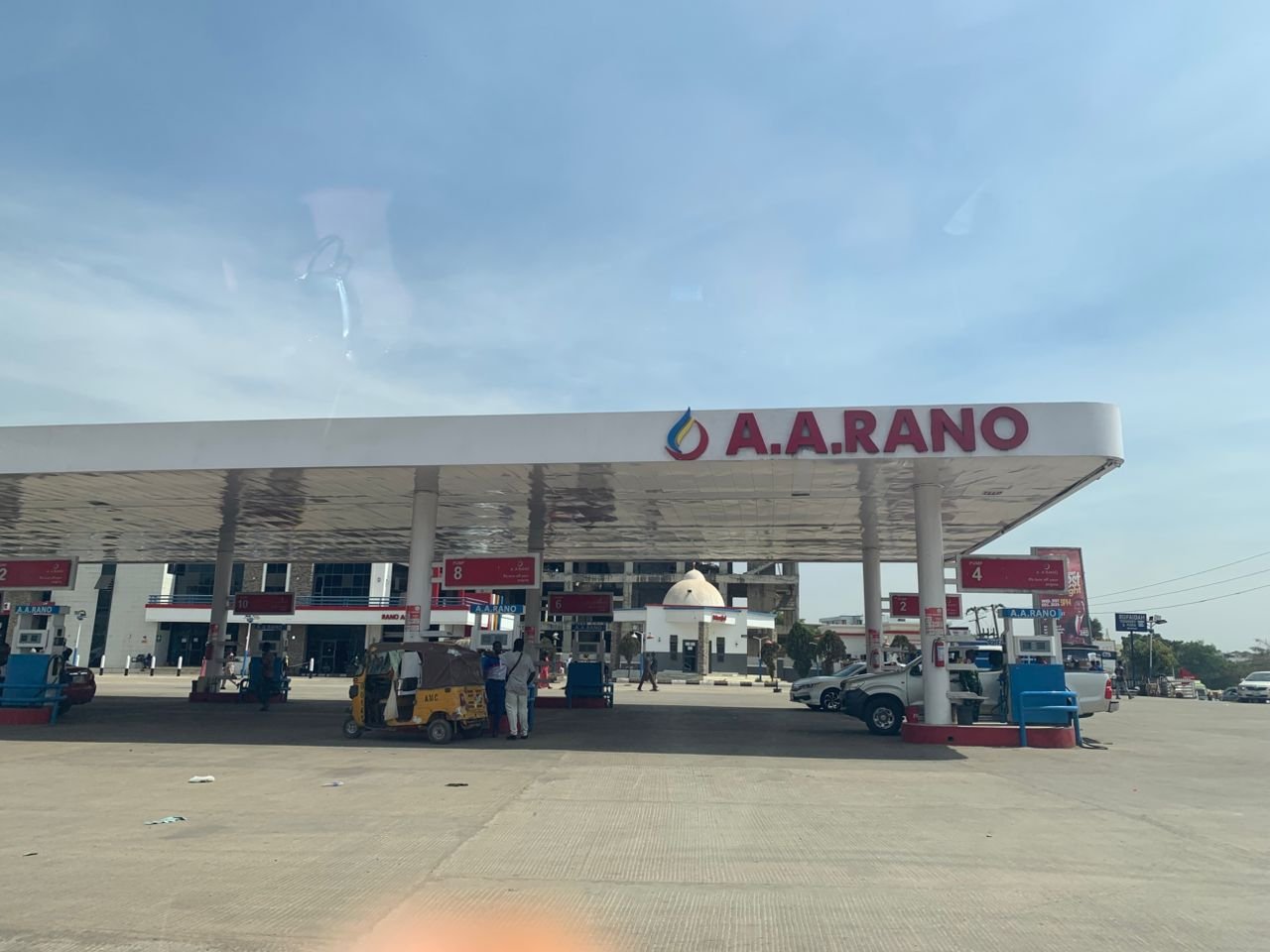
(By Korede Abdullah, Juliet Jacob, Oluwatobi Adu, Chukwu Obinna, Otamere Gladness, and Edino Chubiyo Cornelius)
LAGOS, Nigeria – Nigeria stands at the edge of a major shift in its downstream oil sector as A.A. Rano Nigeria Limited prepares to introduce the country’s first fully automated, unmanned fuel stations. The plan, announced earlier this week, triggers widespread public debate, blending optimism about innovation with anxiety over jobs, security and digital readiness.
Africa Health Report correspondents take to the streets of Lagos and Abuja to capture first-hand reactions from motorists, fuel attendants and residents as the January 2026 rollout approaches.
Under the new system, motorists fuel their vehicles without attendants, paying instantly through ATM cards and contactless platforms. The stations operate 24 hours a day, supported by real-time digital monitoring designed to curb fuel diversion, under-dispensing and revenue leakages.
A.A. Rano, owned by billionaire businessman Alhaji Auwalu Abdullahi Rano, says automation improves transparency and consumer trust. The company confirms that the project, delivered in partnership with Nigerian technology firm Petrosoft Limited, begins with selected outlets before expanding to more than 200 stations nationwide.
“This innovation removes human interference and ensures customers receive exactly what they pay for,” the company says.
Petrosoft’s Chief Executive Officer, Dr Joshua Denila, describes the initiative as a milestone for local technology. “Our systems are developed in Nigeria and built to international standards,” he says. “They improve efficiency and accountability across fuel retail operations.”
Yet the announcement sparks strong opposition from fuel attendants and labour groups. The Concerned Petrol Station Workers warn that thousands of low-skilled workers face displacement.
“At a time of rising unemployment and insecurity, deploying job-eliminating technology without safeguards is dangerous,” says the group’s convener, Comrade Ibrahim Zango. “Pump attendants depend on these jobs to survive.”
In Lagos, reactions are mixed. Motorist Ebenezer Oluwatoyin welcomes the idea but urges retraining. “It shows Nigeria is moving forward technologically,” he says. “But workers must not be abandoned.”

Commercial bus driver Babatunde Imoleayo raises concerns about digital literacy and network reliability. “Network failure can delay everything,” he says. Tricycle rider Kayode Isaac supports automation but insists security measures such as CCTV remain critical.
In Abuja, uncertainty dominates conversations at filling stations and nearby communities. At a station in Bwari, an attendant who requests anonymity says, “This job feeds families. Machines cannot manage traffic or emergencies.”
Opinions in Dutse Alhaji split sharply. Driver Emmanuel praises automation for ending fuel cheating, while resident Alfred warns that unmanned stations could attract crime, especially at night.
At the AA Rano outlet in Jabi, some staff say they have received no briefing. “We are hearing it from the news like everyone else,” a supervisor says.
Analysts say unmanned fuel stations signal progress and transparency but expose deeper fears of job loss, insecurity and digital exclusion. Many Nigerians support innovation—if it comes with retraining, public education and strong safety planning.
As machines prepare to take over the pumps, the national question remains: can Nigeria modernise its fuel sector without leaving its people behind?
About the Author


 Oluwatobi Adu

 Mirian Gom