
 Korede Abdullah
A South African based scholar, Dr. Balqis Banjo,
LAGOS, Nigeria – In northern Nigeria, rising insecurity has left farms abandoned, schools empty, and communities fractured, with far-reaching economic and social consequences. In this report, Korede Abdullah examines the human, generational, and national cost of violence, highlighting the urgent need for effective security measures, accountable governance, and humanitarian intervention.
A Generation Under Siege
Banditry has plunged large swathes of northern Nigeria into a slow-burning catastrophe where classrooms are empty, hospitals are overstretched, farms lie abandoned, and entire communities are dissolving.
Between 17 and 23 November alone, armed groups abducted more than 300 students from two schools and 38 worshippers from a church across three states, triggering sweeping school closures and reigniting fear across the region.
For Dr. Balqis Banjo, a Nigerian educationist based in South Africa who spoke exclusively with Africa Health Report, the crisis represents “generational damage to human capital,” while Lagos-based security analyst who also chats with our correspondent, Opeyemi Oyerinde warns it reflects “criminal confidence feeding on weak preventive security.”
Schools Shut, Futures Frozen
Insecurity has forced the closure of more than 180 schools across northern Nigeria over the past decade, with 47 federal Unity Schools and schools in at least 11 northern states shut in November alone.
Entire education systems have been paralysed as governments resort to closures as a protective reflex. According to Dr. Banjo, these measures “reflect panic rather than protection,” compounding long-standing educational fragility in a region already lagging behind national averages in literacy and enrolment.
SSCE Disruptions and Lost Academic Years
Beyond closures, insecurity has directly disrupted national examinations. Several secondary schools across conflict-prone states have been unable to conduct Senior School Certificate Examinations (SSCE) in recent years due to attacks, displacement, or prolonged shutdowns.
Each missed examination cycle translates into thousands of students losing an academic year, narrowing pathways to higher education and formal employment, and swelling the ranks of idle, vulnerable youth.
Out-of-School Children: A Worsening Crisis
Northern Nigeria already accounts for about 65 per cent of Nigeria’s estimated 20 million out-of-school children, according to education sector data cited by Dr. Banjo. With prolonged closures, that figure continues to rise.
“Children exposed to school violence are three times more likely to drop out permanently,” Banjo said, warning that girls face the greatest risk in a region with Nigeria’s highest female illiteracy rates. What was once an education deficit is fast becoming an education collapse.
Trauma Beyond the Kidnappings
For children who survive abductions, the damage is often invisible but enduring. Survivors report anxiety, nightmares, deep distrust of authority, and persistent fear of returning to classrooms.
According to Medical Director of the Federal Neuro-Psychiatric Hospital, Yaba, Lagos who also spoke with our correspondent on Saturday, such experiences frequently result in post-traumatic stress disorder, depression, and behavioural withdrawal if left unaddressed.
He explains that prolonged exposure to fear and violence during formative years disrupts brain development, emotional regulation, and the ability to concentrate, making learning extremely difficult even after physical freedom is regained.
Psychosocial experts warn that untreated trauma undermines academic performance and social development, with Dr. Banjo describing these children as “alive, but academically and emotionally wounded,” a reality Dr. Owoeye says compounds the long-term human and economic cost of insecurity in northern Nigeria.
Hospitals Under Siege
Healthcare delivery has fared no better. Insecurity has rendered hundreds of facilities non-functional, particularly in rural areas.
AHR gathered that in Zamfara State, only about 200 of 700 primary healthcare centres remain operational. Northern states such as Yobe, Kebbi, Zamfara, and Jigawa record as few as 0.5 doctors per 10,000 people, compared with more than 5 per 10,000 in some southern states.
These figures fall far below the WHO’s recommended minimum, turning large areas into medical deserts.
The Exodus of Health Workers
Fear of kidnapping and attacks has accelerated the migration of doctors and specialists from the north to safer regions or abroad. According to official health data, northern states record near-zero densities of radiographers and extremely low numbers of dentists and optometrists.
Oyerinde notes that “professionals act rationally,” adding that no salary incentive can outweigh the daily risk to life. The result is a collapsing health workforce and worsening disease and mortality outcomes.
The Rising Cost of Care
Insecurity has sharply increased healthcare costs for citizens and government alike. With facilities destroyed or abandoned, patients travel 10–15 kilometres or more to reach functional hospitals, paying transport costs many cannot afford.
Nigeria’s heavy reliance on out-of-pocket healthcare spending, combined with the fact that 30.8 per cent of Nigerians live in extreme poverty, means illness increasingly pushes families into deeper deprivation.
Farms Abandoned, Hunger Looming
Agriculture—the backbone of northern Nigeria’s livelihoods—has been severely disrupted by insecurity in states such as Borno, Kaduna, Zamfara, Katsina, Sokoto, Yobe, and Niger, where armed banditry, herder-farmer clashes, and militant attacks have made it dangerous for farmers to tend to their fields.
Many have abandoned their farms entirely, leaving vast swathes of land uncultivated, which has drastically reduced local harvests and threatened national food security. This agricultural paralysis is driving up the cost of staples, intensifying rural poverty, and forcing households to rely on aid or migrate in search of safety and sustenance.
Experts warn that the abandonment of farms has a cascading effect: with fewer crops produced, inflation spikes, hunger spreads, and communities become more vulnerable to crime and exploitation.
As Oyerinde cautions, “when people cannot farm, insecurity mutates into famine,” creating a vicious cycle where fear, hunger, and poverty feed one another, undermining both social stability and economic growth in the region.
Communities on the Move
Millions have fled their ancestral homes, swelling the population of internally displaced persons (IDPs). Entire villages have emptied as residents seek safety in urban centres or camps, severing cultural ties and traditional support systems. Social cohesion has weakened, while host communities struggle to absorb displaced populations with limited resources.
A Fractured Social Life
Beyond its economic toll, insecurity in northern Nigeria has deeply eroded everyday social life, leaving communities fractured and wary. Weddings, religious gatherings, markets, and festivals—once vibrant expressions of communal identity and cohesion—are now subdued, postponed, or entirely abandoned as fear dictates daily routines.
Curfews, roadblocks, and sporadic attacks have replaced celebration, while mistrust and anxiety have reshaped social interactions, leaving neighbors hesitant to meet or support one another.
Children miss school events, elders avoid traditional councils, and communal decision-making suffers, weakening the social fabric. These intangible losses, though difficult to quantify, signal a profound rupture in the rhythm of communal life, with long-term consequences for social cohesion, cultural continuity, and the mental wellbeing of residents across affected states.
A Battered Image, Vanishing Investment
Nigeria’s international image has also suffered. Former U.S. President Donald Trump’s reference to Nigeria as a “disgraced country” echoed global concerns about insecurity. Investors remain wary, particularly of northern states, as instability raises the cost of doing business.
Oyerinde argues that “securing schools and hospitals is cheaper than endless military deployments,” warning that unless preventive security improves, Nigeria will continue to pay in lost investment, lost credibility, and lost development.
Breaking the Cycle
Experts say the cost of insecurity in northern Nigeria extends far beyond financial losses, affecting the very fabric of society. Dr. Owoeye concludes: “The trauma inflicted on children and families is invisible but enduring. Anxiety, nightmares, and fear of returning to school are common, and these psychological wounds can last a lifetime.”
Communities are displaced, traditional livelihoods collapse, and generational opportunities are lost, highlighting the profound human and societal toll of the crisis.
Analysts emphasize that addressing these challenges requires accountable governance and comprehensive security reforms.
Mr. Oyerinde cautions: “We cannot simply deploy more security forces; we need smarter, coordinated strategies that protect communities, restore confidence, and prevent further displacement.”
About the Author


 Mirian Gom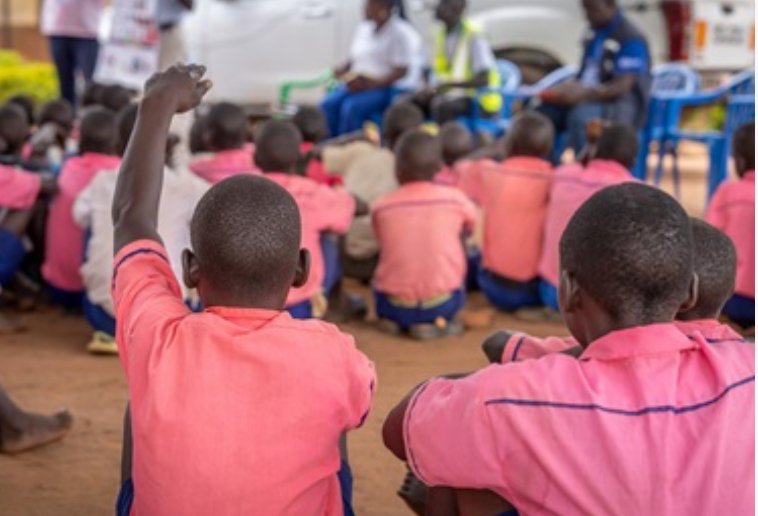
 Oluwatobi Adu

 Oluwafunbi Bello