Experts Push for Stronger Implementation Research to Improve African Health Systems
 Oluwafunbi Bello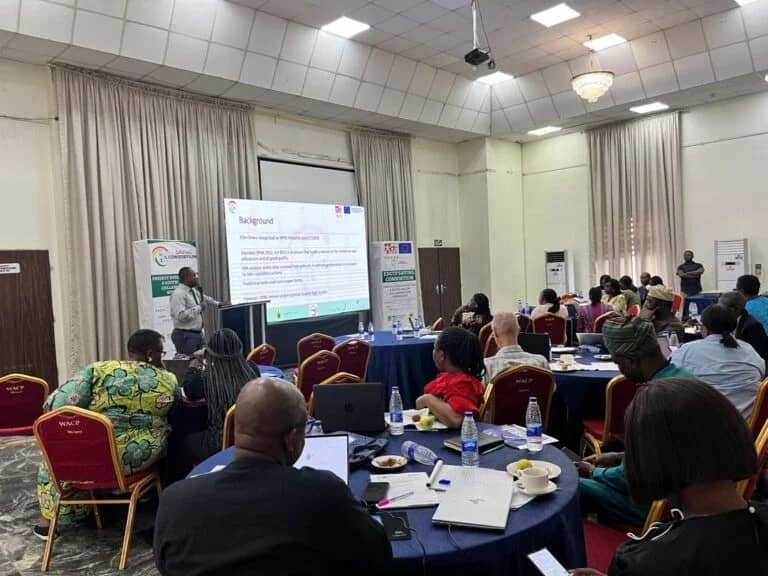
ABUJA, Nigeria – Health professionals have called for strengthened implementation research across African health systems to address real-world barriers that limit the effectiveness of health interventions, policies and innovations.
The call was made on Thursday in Abuja at a two-day dissemination meeting organised by the Academy for Health Development (AHEAD) under the EDCTP-funded Saving Consortium.
The forum brought together researchers, policymakers, NGOs and international partners to review lessons from a five-year implementation research project conducted in Ghana, with support from Nigerian and Swiss experts. The initiative focused on improving access to new vaccines and health technologies while strengthening system performance.
Principal Investigator, Professor Margaret Gyapong, said African health systems regularly face an influx of new tools—from vaccines to drugs and diagnostic technologies—often overwhelming frontline workers. She said the Saving project trained health professionals to identify and address implementation bottlenecks, using malaria vaccines as an entry point. “New tools keep entering our health systems. If countries cannot identify challenges early, the tools will not make an impact,” she said.
Gyapong added that Ghana has already integrated implementation research into routine operations, and Nigeria should adopt similar approaches to improve uptake and delivery.
AHEAD President, Professor Adesegun Fatusi, said implementation research addresses “real-life problems” such as low vaccine uptake caused by cultural, social or logistical barriers. He stressed that scientifically effective tools fail when systems do not support access and delivery.
Professor Olumide Ogundahunsi, a WHO-retired scientist, said implementation research helps identify constraints arising from geography, culture, socioeconomics or service-delivery gaps. Swiss researcher Christian Auer added that new health technologies work only when systems are well organised and health workers adequately supported.
Participants agreed that implementation research is essential to ensuring that lifesaving innovations translate into real-world impact across Africa.
About the Author


 Hope Ajayi
 Korede Abdullah
 Oluwatobi Adu