A City Stuck: Abuja’s Idle Terminals, the Criminal Networks Preying on Commuters
 Juliet Jacob
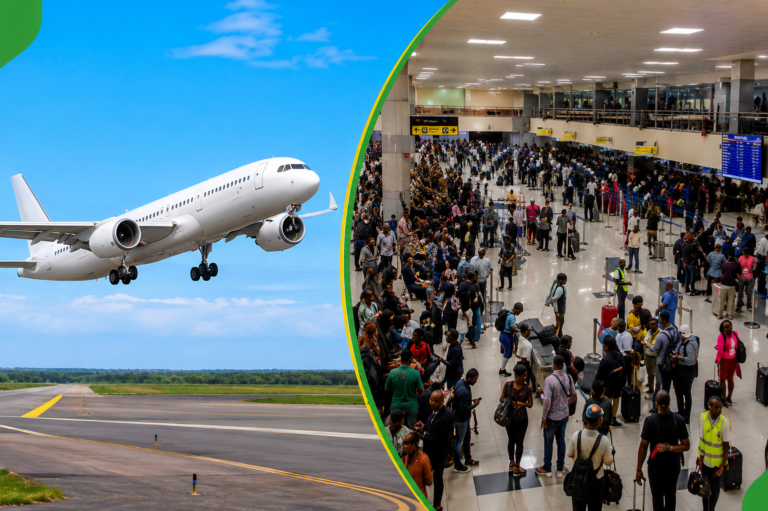
ABUJA, Nigeria – Commuting in Abuja has never been easy—especially for residents who do not own cars. Every morning, thousands pour onto roadsides hoping to catch commercial vehicles that often never arrive. Since the removal of fuel subsidy, the cost of ordered rides has tripled beyond the reach of ordinary Nigerians, forcing many to rely on random private vehicles offering unofficial lifts. Beneath this desperate stopgap, criminal gangs have found a thriving opportunity. Their weapon: Abuja’s notorious one-chance robberies, where unsuspecting passengers are robbed, assaulted, or abducted by criminals posing as drivers.
In June 2025, the Federal Capital Territory Administration (FCTA) promised relief. Two ultra-modern bus terminals—Mabushi and Kugbo—were commissioned with political fanfare and the assurance of restoring safety and order to Abuja’s chaotic transport system. Designed to act as fortified loading points with CCTV, digital ticketing, verified drivers, and security checkpoints, they were presented as the federal government’s boldest intervention against the one-chance epidemic. But five months later, the terminals remain locked. Their gates are chained, their walkways gathering dust, and their promise of safe, reliable transport has evaporated. In this report Juliet Jacob reveals how bureaucratic inertia, premature commissioning, and procurement delays have left Abuja’s commuters exposed—while criminal networks flourish in the vacuum.
A Promise Delivered Too Soon
At the June inauguration, FCT Minister Nyesom Wike described the terminals as a “fundamental shift” in Abuja’s urban mobility. He announced that they would operate 24/7 under private concessionaires, bypassing the traditional bureaucratic structures of the FCT Transport Secretariat.
Built by Planet Projects, the expansive terminals included digital ticketing booths, food courts, CCTV surveillance, structured parking, and security posts. At the Kugbo commissioning on June 26, Wike projected that the facilities would serve up to 20,000 passengers daily.
Yet today—long after the ribbon was cut—both terminals remain non-functional.
Locked Terminals, Empty Promises
Site inspections by Africa Health Report at both Mabushi and Kugbo show identical scenes: empty car parks, padlocked gates, weeds creeping through concrete, and expensive public infrastructure left to idle under the Abuja sun.
Mandate Secretary of the FCT Transport Secretariat, Chinedu Elechi, said operations cannot begin until private operators are procured. A senior FCTA insider added that “bureaucratic bottlenecks in contract awards” have pushed the new operation date to December 2025.
Civil society groups disagree with the sequencing.
In an open letter dated 3 October, the FCT Professionals Forum criticised the commissioning as “premature political optics,” warning that the terminals risk deterioration even before first use.
Elechi maintained that the government is working to establish a safer, more structured system through driver profiling, commercial vehicle painting, identification numbers, and surveillance strengthening.
But on the streets, the gap between policy and reality is widening.
Commuters: ‘We Are Back on the Roads, Praying Not to Be Next’
At Mabushi, Mrs Rose, a 32-year-old bank teller, waits each morning for informal taxis. She shared her frustration:
“I was so excited when they commissioned this terminal—finally, a safe place to wait. Now? It’s worse. Last week, my colleague was robbed at knifepoint by fake drivers. We’re back on the streets praying not to be next.”
Her experience reflects a growing fear in Abuja, where police have made multiple arrests yet attacks persist. In October, law enforcement arrested four one-chance suspects and rescued two victims near Bannex—but commuters say the insecurity has only intensified.
Roadside Drivers: Losing Income, Living with Fear
At Kugbo, roadside driver Mr Timothy expressed anger and disappointment:
“I was hopeful when the terminals were inaugurated, but it’s so disappointing that after all the fanfare and migration, the place is still locked. I actually applied as a driver, yet nothing is happening. My car has been giving me issues, but I keep coming every day, only to find the gates closed. Meanwhile, the risk of one-chance robberies keeps rising.”
From Wuse Market, union officer Biggie voiced distrust: “I wouldn’t even advise any of our drivers to go and apply there because anything that involves the government is unpredictable. A controlled terminal could help reduce attacks, but for now, residents should only get into vehicles from known parks… Only God can protect us.”
Another driver, popularly called Officer, added: “I’m not even sure I’d want to become one of their official drivers. I don’t trust anything that involves the government—these programmes rarely last.”
For many drivers, the terminals are promising structures with no system behind them.
Economic Consequences: A Double Loss
Revenue loss to government: The FCTA is losing millions in projected revenue from; ticketing, concession fees, commercial rentals, advertising, and terminal-based services.
The terminals were designed as economic ecosystems. Today, they generate nothing.
Financial pressure on commuters; With no structured transport alternative, ordinary workers rely on expensive unregulated taxis or risky private vehicles. Many low-income earners now spend a significant portion of earnings on unsafe transport, and Productivity losses for businesses; Transport delays lead to chronic lateness, higher staff transport allowances, and slower delivery cycles.
Abuja’s mobility crisis is quietly eroding productivity across sectors.
Security Perspective: ‘Commissioning Without Readiness Is Performative Governance’
Retired police officer Mr Emakwu, based in Kubwa, said:
“Commissioning without operational readiness is performative governance. These terminals could reduce crime incidents by up to 70% if functional. Leaving them idle only emboldens criminals.”
Official police data supports his claim.
FCT Police Command – 2024 Crime Summary
1,426 recorded cases; 1,077 arrests
263 one-chance incidents
268-armed robbery cases
104 kidnappings
385 fraud cases
19 rescues of one-chance victims
One-Chance Trends 2024–2025
Over 179 victims attacked, robbed, or abducted
Hotspots include Bannex, CBN Junction, Garki, Airport Road, Nicon Junction, Kubwa Expressway, Jabi, Zuba and Gwagwalada–Lokoja corridor
High-profile cases include:
March 10, 2024: Dr Chammah McSampson, abducted in Jabi
July 8, 2025: Miss Freda Arnong of the Ghanaian High Commission, killed in a one-chance attack
As the terminals remain locked, the one-chance operations grow bolder.
Public Health Impact: ‘This Is Becoming a Health Crisis’
Public health expert Dr Nwachuku told Africa Health Report: “Commuters are living in constant anxiety, and that contributes to hypertension and other stress-related illnesses. Unsafe commuting exposes people to fatigue, injuries, and trauma. Transport is a public health issue.”
A 2025 audit shows mental-health consultations increased by 15% in low-income Abuja communities affected by transport insecurity.
CBD Terminal: New Hope or Another White Elephant?
The third terminal in the Central Business District, launched on 3 October, is more than 95% complete and expected by mid-2026. Urban planners warn no more premature commissioning.
Infrastructure Without Function Cannot Deliver Safety
Abuja’s gleaming terminals were meant to signal a transport revolution. Instead, they stand as silent monuments to governance gaps. Until the FCTA activates operations—complete with verification systems, enforcement, and community awareness—commuters will remain vulnerable, and criminal networks will continue to exploit the city’s transport deficit.
As security analyst Emakwu warned: “Safer transport isn’t a luxury; it’s survival.”
For now, Abuja remains a city stuck—its people, its buses, and its promises.
About the Author

 Edino Chubiyo Cornelius
 Oluwafunbi Bello


 Abah Felicity