
Life on the Edge: Abuja’s Communities Grapple with Sachet Alcohol Ban
 Edino Chubiyo Cornelius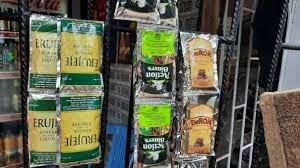
ABUJA, Nigeria – In the bustling markets of Katampe, the familiar sight of sachet alcohol—tiny plastic pouches of gin and spirits sold for as little as ₦100—still dominates shop shelves. For many residents and traders, it is more than a drink; it is a coping mechanism, a source of livelihood, and, increasingly, a flashpoint of conflict as the National Agency for Food and Drug Administration and Control (NAFDAC) prepares to enforce its nationwide ban by January 2026. For months, warnings and phased interventions have attempted to curb sales, yet the product continues to circulate freely. Traders stockpile, distributors find workarounds, and consumers cling to the small pouches that have long been woven into the fabric of daily survival. Edino Cornelius, writes.
Communities on the Brink
Mrs. Oluchi, a trader at Katampe Market, sorts of cartons of sachet gin with habitual care. Despite knowing the ban looms, she has no intention of stopping.
“I will continue to dey sell am till when the ban period comes because na wetin dey put food for my table be this,” she said, gesturing to her stall.
Her words echo the reality of thousands of micro-traders across Abuja and its satellite communities: economic survival is at odds with regulatory compliance.
Health professionals have long sounded the alarm over rising addiction, alcohol-related illnesses, and a growing number of accidents linked to sachet liquor. While NAFDAC has phased out the products since 2023, delays and loopholes have kept the supply in circulation. With Senate insistence on strict enforcement, public health groups like CAPPA (Coalition Against Parasitic Alcohol) and NHED (National Health Education Department) see an opportunity to save lives—but community resistance is mounting.
The Shadow Behind the Ban
At the heart of the ban is a public health crisis. Nurses at the Federal Medical Centre in Lokoja report rising liver and heart disease, psychosis, and violent injuries attributed to cheap, high-proof alcohol. “It affects the brain, the nervous system, and contributes to high blood pressure,” said Nurse Mrs. Peace.
Yet, for many, sachet alcohol fills gaps that neither government programs nor social structures have addressed. Peter, a regular consumer, described it as an emotional anchor:
“Na wetin dey give me joy be this ooh. Anytime we don’t die alright or I dey think—especially when I quarrel with my wife—I go just come take am make I fit stop dey think. Abeg ooh, make dem no ban am ooh, biko.”
Drivers, artisans, and young people often rely on the product for energy, relaxation, or as a cheap companion during long, arduous workdays. Commercial driver Oboy admitted candidly that he consumes sachet gin before trips. “Yes na, I dey take am well if I wan start dey drive. Even when I dey carry people travel, I dey take am to make my eyes clear… Even if they stop am, people go still dey take am.”
Why Enforcement Struggles
Traders and distributors cite economic necessity and gaps in enforcement. Mrs. Jamila, a longtime supplier, shrugged off the ban.
“I no know ooh. Why dey wan ban am sef? Something wey people dey take get joy—nawa ooh. E no concern me. I go continue dey sell am even though they ban am. Colos dem never ban; na this one dem dey ban.”
Retailers note that young people are often the heaviest consumers. Mrs. Mercy, who runs a stall in Garki, said: “Most of the time, the youths are the ones consuming more of the sachet alcohol.”
The low price and accessibility of sachet alcohol have entrenched it as a staple across social classes, making enforcement a complicated endeavour. Mr. Okpanachi, another consumer, argued:
“Sachet alcohol is everywhere, cheap, and easy to buy— ‘with 100 naira you have gotten it.’ There are other alcoholic drinks also… it doesn’t affect me.”
The Economic Toll
For traders, the ban threatens livelihoods. Amin, a stall owner, said: “If FG wants to ban this product, they should give us other things to do to bring money. Na this business I dey take pay my pikin school fees.”
Across markets and motor parks, anxiety mounts. Early signs suggest that without support, some traders may be forced to operate illegally or switch to more dangerous, locally distilled spirits. Prices for legal alternatives remain out of reach for low-income consumers, further complicating compliance.
Early Signs of Adaptation
Months before enforcement, communities are already adapting. Black-market sales are rising, and some are turning to local brews, which often carry higher health risks. Meanwhile, households stockpile sachet alcohol, anticipating scarcity.
Environmental experts note that the ban could reduce plastic pollution—a significant problem in Abuja, where empty sachets clog gutters and drainages—if enforcement is effective.
Community Voices
Religious leaders and public-health advocates are weighing in. Imam Suleiman of Gwarinpa called for a balanced approach: “People need guidance, not just bans. Education and alternatives must come first. Otherwise, what is forbidden may become hidden but more harmful.”
NAFDAC officials admit enforcement will be challenging. Mr. Adekunle, part of the FCT task force, said: “We understand the economic pressures. Our plan is phased compliance, combined with public education. Full enforcement is complex but necessary for health and safety.”
A Nation at a Crossroads
As January 2026 approaches, Abuja’s communities face a test of resilience, regulation, and ingenuity. Nigeria’s attempt to prioritise public health collides with the economic and emotional realities of its citizens. From Oluchi’s stall to Peter’s emotional struggles, from motor-park drivers seeking “clear eye” to nurses battling rising illnesses, the story of sachet alcohol is one of conflict, adaptation, and survival.
Without adequate public education, mental-health support, addiction counselling, and economic alternatives for traders, the ban risks exacerbating the very problems it aims to solve.
A Ban With Two Faces
The sachet alcohol ban could be a national victory—reducing addiction, accidents, and environmental pollution. But without proper support, it may also create new social crises, drive consumers to more dangerous alternatives, and push traders deeper into poverty.
The coming months will reveal whether Nigeria’s approach balances health priorities with the realities of its people—or whether the tiny sachets will remain a potent symbol of survival in the face of regulation.
About the Author


 Oluwatobi Adu
 Korede Abdullah

 Hope Ajayi