Nigeria Records 64,000 New HIV Infections Yearly as UNAIDS Warns of 2030 Target Failure
 Korede Abdullah
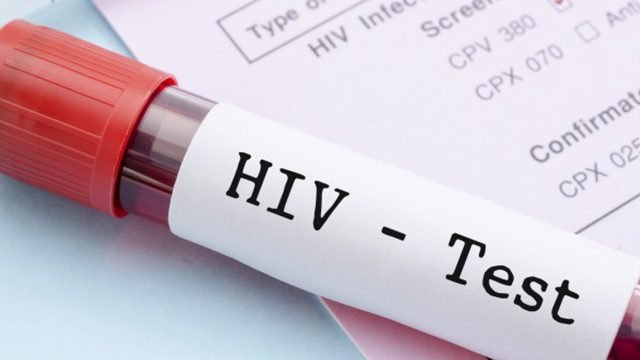
ABUJA, Nigeria – Nigeria must cut annual new HIV infections from about 64,000 to fewer than 5,000 to remain on course towards ending AIDS as a public health threat by 2030, UNAIDS has warned.
The UNAIDS Country Director, Tina Bunto, disclosed this in Abuja during a press briefing organised by the National Agency for the Control of AIDS (NACA) ahead of the 2026 World AIDS Day. “Nigeria must urgently accelerate interventions to bring annual new infections down from the current 64,000 to fewer than 5,000,” she said.
Bunto said that although Nigeria had recorded progress in treatment and care, weaknesses in prevention, HIV testing, access to new technologies and programmes to eliminate mother-to-child transmission remained major obstacles. She identified uneven access to services, declining external funding, stigma and discrimination, and unequal access to innovations as challenges requiring urgent attention.
The UNAIDS official also raised concerns over gaps in interventions for pregnant women living with HIV, disclosing that only 61 per cent of HIV-positive pregnant women were receiving the necessary services. She said the mother-to-child transmission rate remained at 20 per cent, warning that gaps in antenatal testing and treatment continued to expose children to preventable HIV infections. “We must urgently close the gaps in antenatal HIV testing and treatment to prevent children from acquiring the virus,” she said.
Bunto noted that some African countries had already declared the elimination of vertical transmission, urging Nigeria to strengthen its own prevention programmes and improve access to services for pregnant women and their families.
She said HIV services must not only be available but also affordable, accessible and safe to use without fear of discrimination.
Nigeria will commemorate World AIDS Day on December 1 under the theme, “Ending AIDS Starts with Access: Equity, Ownership, and Sustainability.”
About the Author