

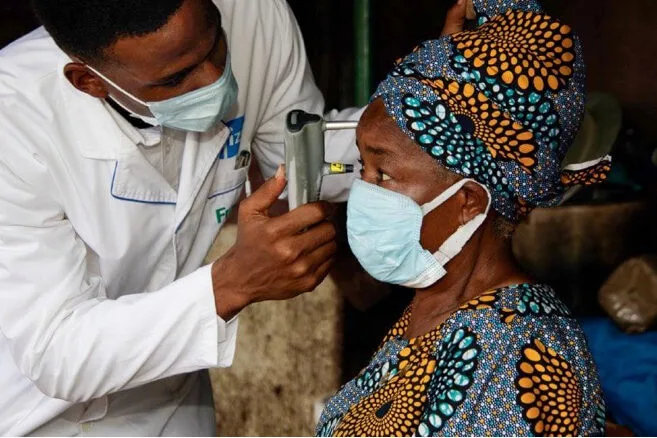
ABUJA, Nigeria – Nigeria has reduced the population at risk of trachoma-induced blindness from 41 million to fewer than five million, as the country moves closer to eliminating the preventable eye disease, health officials have said.
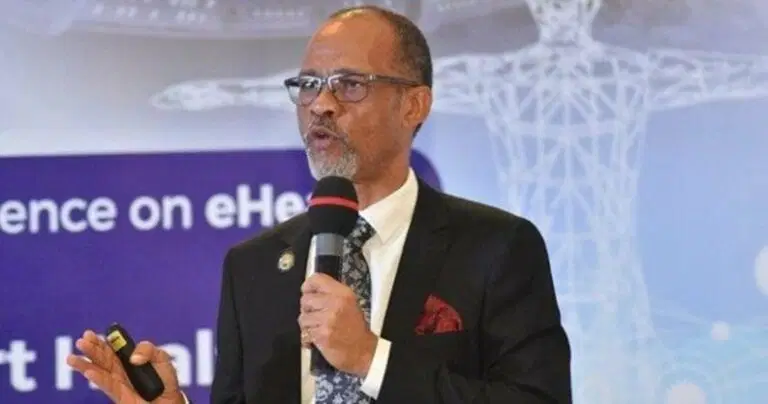
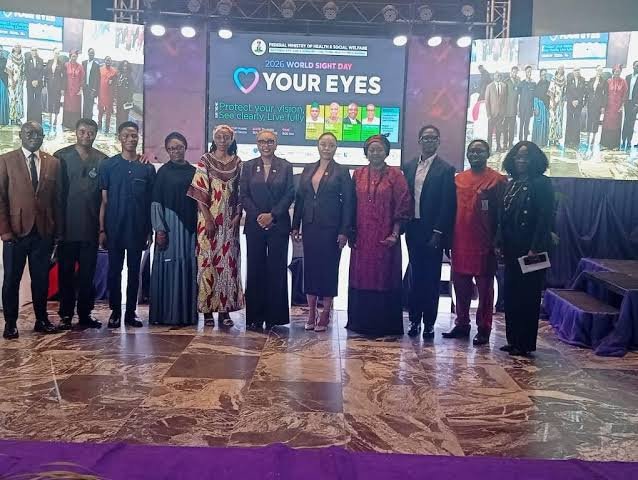
The Director of the Trachoma Programme, Nicholas Olobio, disclosed this on Tuesday in Abuja at a two-day annual performance review organised by the Federal Ministry of Health and Social Welfare, Sightsavers Nigeria and other partners.
Olobio said the number of local government areas requiring intervention had fallen from 134 to 16, allowing 118 areas to discontinue mass drug administration following progress towards elimination. “Right from inception, we had 134 LGAs that were endemic for the disease, but it is now down to about 16 LGAs where we are treating,” he said. He identified Borno and Yobe as the remaining states where mass drug administration was continuing, noting that insecurity had made it difficult to reach some affected communities.
According to him, Kano has reached the required elimination thresholds, while Katsina, Sokoto, Ebonyi and Edo have also recorded significant progress. Despite the gains, Olobio warned that Nigeria must sustain interventions addressing the environmental conditions that allow the disease to spread.
He said the country’s elimination strategy relies on surgery for advanced cases, antibiotics to treat infection, facial cleanliness and environmental improvements, particularly access to clean water and sanitation. “Without the environmental aspect, you cannot eliminate the disease,” he said, urging communities to practise regular face washing and handwashing after using toilets.
Trachoma is a preventable eye disease associated with repeated infection and can cause irreversible blindness if left untreated. Poor sanitation, inadequate access to water and crowded living conditions can contribute to its transmission. Olobio’s remarks highlight the importance of maintaining community-level hygiene and sanitation interventions even in areas that have stopped mass drug administration. With 16 local government areas still requiring treatment, the country’s remaining challenge will include reaching communities affected by insecurity and sustaining the progress already recorded.


Join the conversation