


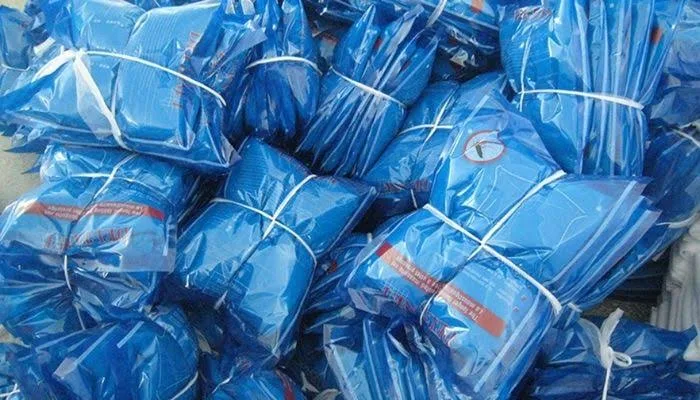
ABUJA, Nigeria – The Federal Capital Territory Administration (FCTA) has launched a new malaria prevention campaign targeting the distribution of 4.9 million insecticide-treated nets across the territory, as authorities seek to close gaps in household protection against mosquito bites.
The campaign, organised in partnership with Malaria Consortium, will cover all six area councils and 62 wards, with about 1,580 distribution hubs expected to support the exercise. At the inauguration on Saturday, the Mandate Secretary of the Health Services and Environment Secretariat, Adedolapo Fasawe, said malaria prevalence in the FCT had declined from 18.8 per cent in 2021 to 7.9 per cent in 2025.
However, she warned that inadequate access to treated mosquito nets remained a major challenge, noting that previous figures showed only 22 per cent of FCT residents had access to the nets, while just 14 per cent of households slept under them. Fasawe said the new campaign was intended to improve access and strengthen malaria prevention across communities in the territory.
She cited Nigeria’s malaria burden, noting that the country accounted for 68 million of the estimated 282 million malaria cases recorded globally in 2024 and 30.3 per cent of malaria-related deaths, according to the 2024 World Malaria Report. “Chemoprevention protects the child. The net protects the whole household, every night, while everyone sleeps,” she said.
The FCTA official added that the administration would work with security agencies to support distribution and supervision across the six area councils, while ensuring that the campaign reached intended beneficiaries. Malaria Consortium’s West and Central Africa Programme Director, Kolawole Maxwell, said the campaign would distribute 4.9 million new insecticide-treated nets through approximately 1,580 distribution hubs. He warned that fewer than one in 10 households in the FCT had enough treated nets for all their members, describing the progress made against malaria as significant but fragile.
Maxwell said expanding access to the nets was necessary to protect families and sustain gains in malaria prevention. The National Malaria Elimination Programme Coordinator, Nnenna Ogbulafor, represented by Philip Okoro, said Nigeria had distributed more than 350 million insecticide-treated nets since 2009.





Join the conversation