


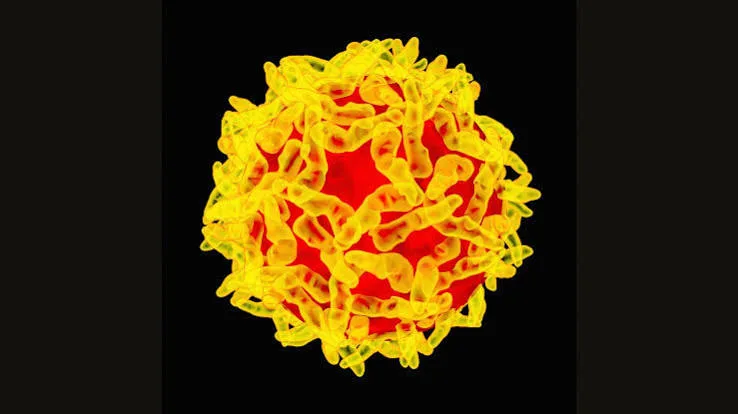
ABUJA, Nigeria – The World Health Organisation (WHO) has reported 67 confirmed yellow fever cases and 18 deaths across nine African countries between January and October 2026, warning that cross-border movement and uneven vaccination coverage could increase the risk of further transmission.
The affected countries are Burkina Faso, Cameroon, the Central African Republic, Côte d’Ivoire, Ghana, Guinea, Liberia, Nigeria and Togo. In a Disease Outbreak News report published on November 6, the WHO said transmission was continuing across its African Region, with recent outbreak activity concentrated in parts of West Africa, including communities close to international borders.
Nigeria recorded four confirmed cases and one death during the reporting period, while Cameroon reported nine cases and one death. Côte d’Ivoire had the highest number of confirmed infections, with 30 cases and 10 deaths. Burkina Faso recorded 15 cases and three deaths, while Ghana reported four cases and three deaths. WHO Reports 67 Yellow Fever Cases, 18 Deaths Across Nine African Countries
Liberia recorded one laboratory-confirmed case. The Central African Republic reported two cases, while Guinea and Togo recorded one case each. No deaths were reported among confirmed cases in the latter three countries.
The WHO said the figures reflected the latest information available as of October 12, 2026. It identified frequent cross-border movement, uneven vaccination coverage and environmental conditions that favour the spread of infected mosquitoes as factors that could increase transmission.
The organisation also warned that people working in or near forests, mining areas and other outdoor environments could face greater exposure to infected mosquitoes. “Occupational and environmental exposures, including work in or near forested areas, mining activities, and other outdoor occupations, are important risk factors for yellow fever infection,” the WHO said.
It added that cross-border movement for trade, farming, livestock and mining could contribute to the spread of the virus between affected and neighbouring countries. Yellow fever is a mosquito-borne viral disease that can cause severe illness and death. Vaccination remains a key preventive measure, particularly in countries and communities where transmission is possible.
The WHO said affected countries, with support from the organisation and other partners, were strengthening disease surveillance, investigating suspected cases, conducting laboratory tests and intensifying efforts to identify infections. Other measures include community engagement, risk communication and vaccination activities in affected and high-risk areas.
Nigeria’s four confirmed cases and one death highlight the need for sustained surveillance and vaccination coverage, particularly in communities where people may be exposed to infected mosquitoes or move frequently across borders.



Join the conversation