


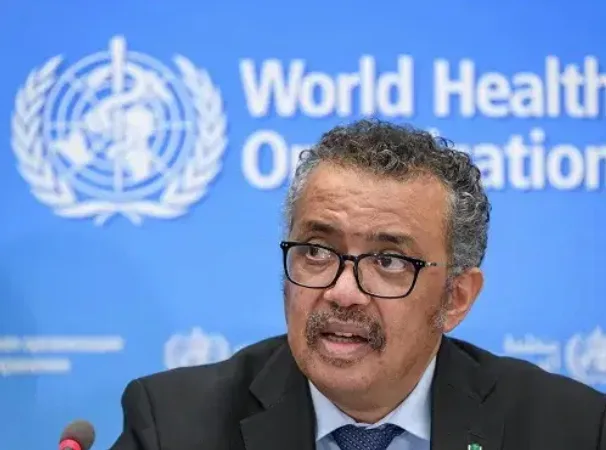
ABUJA, Nigeria – The World Health Organisation (WHO) has urged governments to resolve outstanding disagreements over a proposed global pandemic agreement, warning that the Ebola outbreak in the Democratic Republic of Congo (DRC) highlights the need for stronger international cooperation against infectious diseases.
WHO Director-General Tedros Adhanom Ghebreyesus made the appeal on Monday as representatives of member countries began another round of negotiations in Geneva, Switzerland, to conclude the agreement.
Talks have been delayed by disagreements between developed and developing countries over how the proposed framework should operate, particularly arrangements for accessing pathogens and sharing the benefits of medical products developed from them.
Referring to the Ebola outbreak in the DRC and a hantavirus outbreak earlier in the year, Tedros warned that infectious disease threats could spread beyond the countries where they emerge. “A pathogen threat anywhere can become a threat everywhere, to people of every country,” he said, urging governments to recognise the importance of collective action in protecting public health.
He recalled the COVID-19 pandemic, when unequal access to vaccines and other essential medical supplies left several countries struggling to protect their populations. Countries adopted the WHO Pandemic Agreement in May 2025, but negotiations over the Pathogen Access and Benefit-Sharing (PABS) system remain unresolved.
The mechanism is intended to establish arrangements for sharing pathogen samples and genetic sequence information, alongside the benefits arising from their use, including vaccines, diagnostics and treatments. Tedros described the mechanism as the final outstanding component of the agreement. “PABS is the last remaining piece of our puzzle,” he said.
The WHO chief argued that unequal vaccine distribution during the COVID-19 pandemic prolonged the global health crisis, stressing that the proposed framework should prevent developing countries from being disadvantaged during future emergencies.






Join the conversation